

Premium graphic design is defined as intentional visual communication that signals quality, authority, and trust through disciplined use of typography, color, white space, and structure. It is not decoration. It is a business tool that shapes how customers perceive your brand before they read a single word. 75% of users judge a company’s credibility based on website design quality alone. That number shows how much is riding on every visual decision your brand makes.
The industry term for this practice is “visual identity design,” but premium graphic design specifically refers to the tier of work that goes beyond templates and stock assets into custom, strategy-led visual systems. Businesses that invest here do not just look better. They earn more trust, command higher prices, and retain customers longer.
What is premium graphic design, and how does it differ from standard design?
Premium graphic design is the deliberate construction of a visual language that communicates brand value without relying on excess. Standard or commodity design fills space. Premium design uses space as a tool.
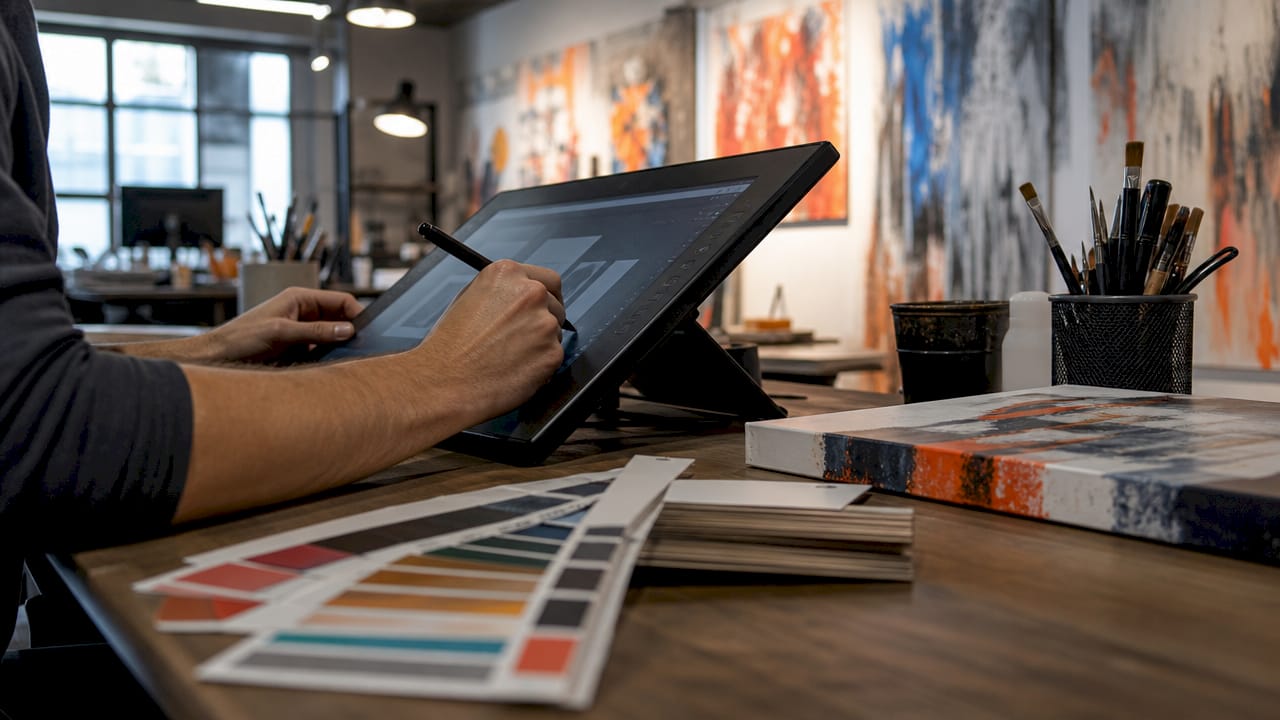
The clearest difference shows up in restraint. Limiting color palettes to 3–5 colors and applying strategic white space are two of the most reliable signals of high-end visual work. Generic design tends to crowd layouts with gradients, multiple fonts, and competing focal points. Premium design removes everything that does not serve the message.
Typography is another dividing line. Premium typography uses a maximum of two typefaces with deliberate contrast and spacing. Serif fonts communicate authority and heritage. Sans-serif fonts signal modernity and clarity. Choosing the wrong combination, or using three or four fonts, immediately undercuts perceived quality.
Visual consistency ties it all together. A brand that looks the same across its website, printed materials, vehicle graphics, and social media reads as established and trustworthy. A brand that varies its colors and fonts across channels reads as amateur, regardless of how much was spent on any single piece.
| Premium design feature | Common pitfall in generic design |
|---|---|
| 3–5 color palette with defined usage rules | Inconsistent colors across channels |
| Maximum two typefaces with clear hierarchy | Three or more fonts with no contrast logic |
| Strategic white space as a design element | Cluttered layouts with no breathing room |
| Custom photography or curated visual assets | Overused stock images with no brand fit |
| Grid-based layout with disciplined alignment | Random element placement with no structure |
Pro Tip: Remove one design element from any layout before you call it finished. If the design holds up without it, the element was not earning its place.
How does premium design deliver measurable benefits to businesses?
High-end graphic design is not a cost center. It is a revenue driver. Premium design perception enables businesses to command 20–50% higher price margins due to perceived reliability and brand authority. Customers associate visual quality with product quality, even when the underlying product is identical to a competitor’s.
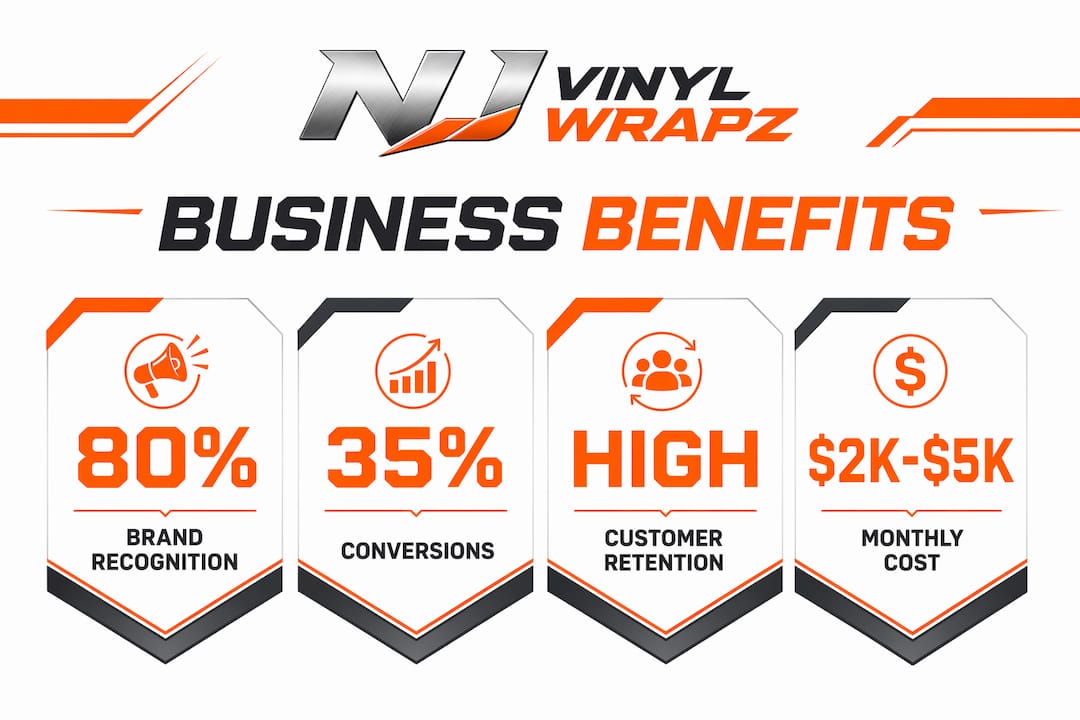
Brand recognition compounds these gains. Brands with consistent visual systems see up to an 80% improvement in brand recognition. Recognition builds familiarity, and familiarity builds trust. Trust is what converts a first-time visitor into a paying customer.
Typography alone moves the needle on conversions. Appropriate font choices improve conversion rates by 35%. That is not a small margin. A business running paid ads to a landing page with weak typography is leaving measurable revenue on the table.
Customer retention also improves with visual consistency. When your brand looks the same at every touchpoint, customers feel they know you. That sense of familiarity reduces friction in repeat purchase decisions. For fleet-based businesses, this means every vehicle on the road reinforces the same brand promise, building recognition across an entire service area.
Pro Tip: Track brand recognition in customer surveys before and after a visual identity refresh. That data gives you a concrete ROI figure to justify future design investments.
What makes premium design a process, not just a product?
The difference between premium graphic design services and commodity work is not just the output. It is the process that produces it. Most premium agencies conduct an upfront discovery phase, interviewing clients on brand goals, audience, and positioning before any design work begins. Without that foundation, design tends to look polished but feel generic.
Discovery produces a brief that defines the brand’s visual personality, competitive positioning, and communication goals. That brief then drives every decision, from font selection to image treatment to layout logic. The result is a design system that works across dozens of applications without losing coherence.
Premium design packages typically include a defined set of deliverables that commodity services do not offer:
- A brand style guide covering logo usage, color codes, typography rules, and spacing standards
- A curated photography and illustration direction
- Grid structures and layout templates for print and digital
- Component libraries for web and social media
- Guidelines for applying the visual system to physical materials like vehicle wraps, signage, and packaging
Premium service packages often cost $2,000 to $5,000+ per month, while commodity services offer lower price points but no bespoke strategic support. The gap in price reflects the gap in depth. A template-based service delivers files. A premium service delivers a system.
True premium design relies on invisible structural systems such as grid logic and component libraries to maintain brand consistency across 50 or more touchpoints. Professional designers spend as much time on these structural elements as they do on aesthetics. That investment is what makes a brand look consistent years after the initial design work is complete.
How to apply premium design principles across your brand touchpoints
Consistency is the mechanism that makes premium design work. A brand style guide is the tool that enforces it. Your guide should define exact color codes in HEX, RGB, and CMYK, specify which typefaces are approved and how they are used, and show correct and incorrect logo usage with clear examples.
High-visibility touchpoints deserve the most attention first. Your website homepage, pitch decks, and any physical materials that reach new customers are where first impressions form. Designing cohesive marketing campaigns that carry the same visual language from digital ads to printed collateral to vehicle graphics creates a compounding brand effect.
Vehicle wraps are one of the most underrated premium design applications for businesses. A fleet of vehicles carrying a consistent, well-designed visual system reaches thousands of people daily without recurring ad spend. The vehicle wrap design process follows the same principles as any premium design project: defined color palette, disciplined typography, and a clear visual hierarchy that communicates the brand message at a glance.
Customization in automotive upgrades follows the same logic as premium brand design. The more deliberate and specific the choices, the stronger the result. Generic options produce generic outcomes.
Pro Tip: Audit your brand across five touchpoints: website, social media profile, business card, vehicle or signage, and any printed materials. If they do not look like they belong to the same brand, your style guide needs work.
Premium designs create a cohesive visual language including curated photography, disciplined graphic elements, and comprehensive style guides. Consistency across website, social media, print, and packaging is the key driver of long-term perceived value.
Key Takeaways
Premium graphic design is a deliberate visual communication system built on restraint, consistency, and strategic discovery that directly increases brand authority, recognition, and revenue margins.
| Point | Details |
|---|---|
| Definition of premium design | It is intentional visual communication, not decoration, built on disciplined typography, color, and structure. |
| Business revenue impact | Premium design perception enables 20–50% higher price margins through increased perceived brand authority. |
| Consistency drives recognition | Consistent visual systems improve brand recognition by up to 80%, building trust at every touchpoint. |
| Process over product | Premium design starts with a discovery phase and delivers a reusable system, not just individual files. |
| Application across touchpoints | Style guides, vehicle wraps, and cohesive campaigns carry premium design into every customer interaction. |
Why most businesses misread what “premium” actually means
The most common mistake I see is businesses equating premium design with expensive design. They spend heavily on a logo or a website and assume the work is done. Premium design is not a single deliverable. It is a system that holds together under pressure, across channels, and over time.
What actually creates premium perception is restraint. Removing a color. Choosing one typeface instead of three. Leaving more white space than feels comfortable. Effective premium design often involves removing elements to focus on clarity and hierarchy. That runs counter to the instinct most business owners have, which is to add more to communicate more value.
The other misread is treating design as a one-time project. A brand style guide is not a document you file away. It is a living reference that every designer, printer, and vendor who touches your brand needs to follow. Without it, your brand drifts. Colors shift. Fonts multiply. The premium signal erodes.
The businesses I have seen get this right share one habit: they treat visual consistency as a non-negotiable operational standard, not a creative preference. They enforce their style guide the same way they enforce quality standards in their product or service. That discipline is what separates brands that look premium from brands that actually are.
— Krunal
Njvinylwrapz brings premium design principles to every vehicle
Njvinylwrapz applies the same principles that define high-end graphic design to every vehicle wrap project it takes on. That means a disciplined design process, consistent visual execution, and materials from trusted brands like 3M and Avery that hold the design quality over time.
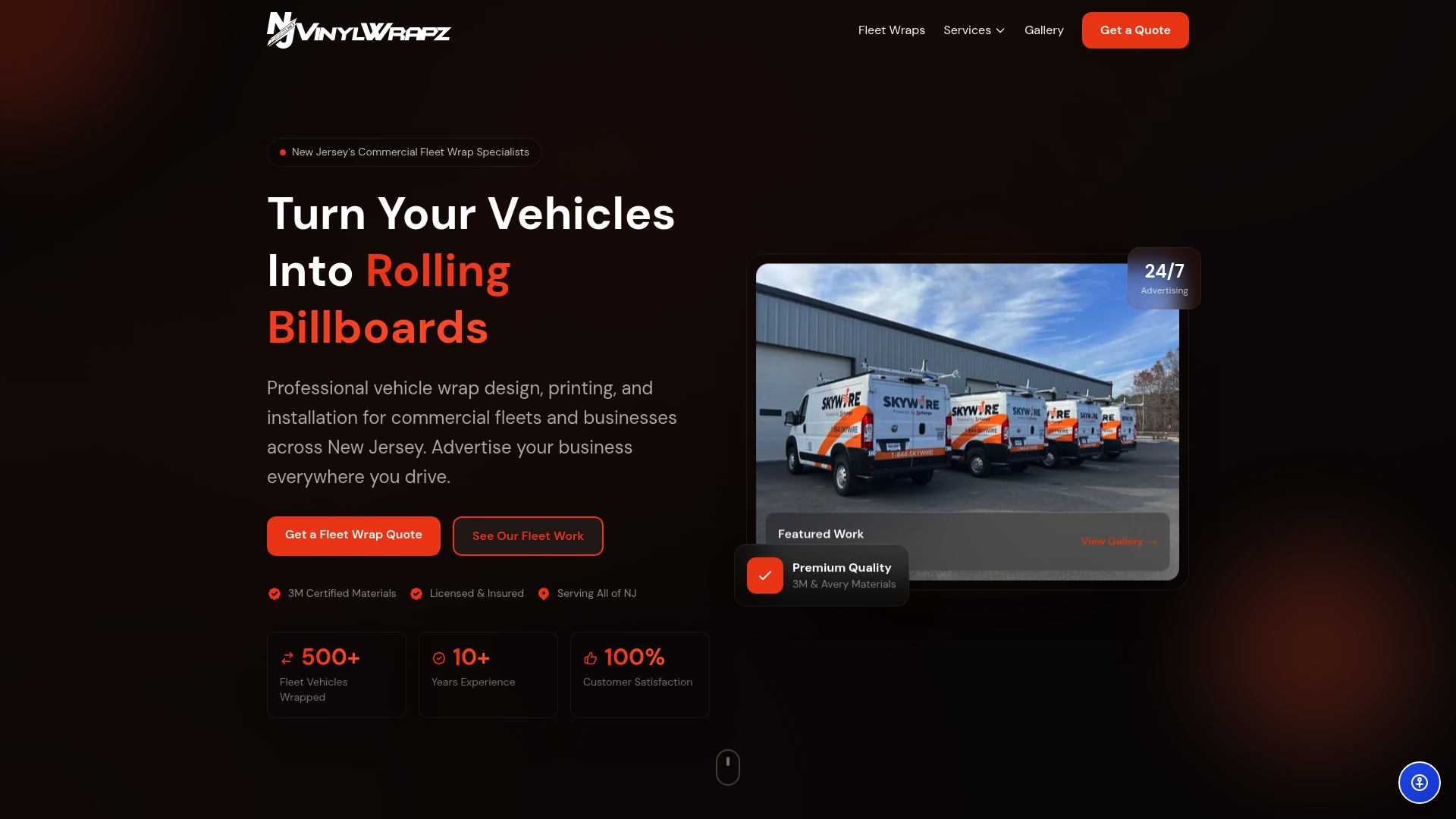
For businesses and fleet managers in New Jersey, Njvinylwrapz offers full vehicle wraps that turn every company vehicle into a consistent brand statement. The full range of wrap options includes vehicle lettering, partial wraps, window graphics, and floor graphics, giving you a complete visual system for your fleet. With over 10 years of experience and climate-controlled installation facilities, Njvinylwrapz delivers the consistency and quality that premium branding demands.
FAQ
What is premium graphic design in simple terms?
Premium graphic design is intentional visual communication built on disciplined typography, a controlled color palette, and consistent structure. It signals brand quality and authority without relying on decoration or excess.
How much does premium graphic design cost?
Premium graphic design services typically range from $2,000 to $5,000 or more per month for full-service packages. That investment covers discovery, brand strategy, design systems, and deliverables that commodity services do not include.
What makes design look premium vs. generic?
Premium design uses a maximum of two typefaces, a 3–5 color palette, and strategic white space to create clarity and hierarchy. Generic design tends to crowd layouts with competing elements that reduce perceived quality.
Why does premium design improve conversion rates?
Appropriate font choices alone improve conversion rates by 35%, and consistent visual systems improve brand recognition by up to 80%. Both factors reduce friction in the customer’s decision to buy or trust a brand.
Can vehicle wraps be considered premium graphic design?
Vehicle wraps are a direct application of premium design principles when they use a consistent visual system, disciplined color palette, and clear brand hierarchy. A well-executed fleet wrap applies the same logic as any high-end brand identity project.