

A professional rewrap with premium cast film and proper surface prep is the right move for most aging fleets that need a branding refresh or added protection. Done well, it restores a consistent look across vehicles, extends paint life, and gives marketing a visible return on every mile driven. Start by inspecting paint condition on a few representative vehicles and booking a professional assessment before you commit to a timeline or budget.
TL;DR:
- Grade vehicles by paint condition, not age: repair rust or body damage first, defer compromised panels, and wrap only sound surfaces.
- Avery’s MPI 1105 cast film is rated up to 5 years on prepared original paint; removable cast lasts about 2, and calendared about 1.
- Wait at least 72 hours before washing, then use touchless or gentle hand washing about every two weeks and remove spills promptly.
- Run a pilot of two or three vehicles, then phase work at four or five vehicles weekly to check color match while keeping vehicles available.
Table of Contents
- Inspect and prioritize which vehicles need a rewrap first
- Which films and protective layers make sense for your fleet
- Prep steps and timing rules that prevent early failures
- What to specify when you request installer quotes
- Keep the wrap looking sharp once it’s installed
- How to budget a fleet rewrap without surprises
- Our take after a decade of fleet installs
- Get a fleet assessment and quote started
- FAQ
- Sources
- Manufacturer bulletins and resources for next steps
Inspect and prioritize which vehicles need a rewrap first
Before any vehicle goes into production, walk the fleet and grade each unit so you know what you’re actually dealing with. Age and mileage alone don’t tell the full story. A three-year-old delivery van parked outdoors in full sun can need more attention than a five-year-old unit kept in a garage.
Check each vehicle for:
- Chalking or oxidation on the clear coat, which signals a paint surface that may not hold adhesive well
- Rust spots, dents, or body damage that need repair before any film goes on
- Aftermarket paint, touch-up spots, or old coatings that react differently to solvents and adhesives
- Uneven fading between vehicles, especially on horizontal surfaces like hoods and roofs that take more UV exposure
- Visibility of current branding against the exposure and routes each vehicle runs
Sort the results into three buckets: rewrap now, defer until a panel is repainted, or replace specific panels before wrapping. Vehicles with heavy rust or body damage usually need bodywork first since film applied over compromised paint tends to fail early and void manufacturer warranty coverage.
Which films and protective layers make sense for your fleet
Material choice drives most of what happens later, including warranty terms, repair options, and how many years you get out of the job. Cast vinyl films, such as those in Avery’s MPI 1105 line, are designed for up to 5 years of service on properly prepared OEM-painted surfaces because the film conforms tightly around curves and recesses without excessive memory or shrinkback.
Removable cast and calendared films serve different needs:
- Removable cast films like MPI 1902 EZ RS suit shorter campaigns or leased vehicles, generally having a shorter expected service life
- Calendared films cost less upfront but are rated for shorter durations in some product lines, making them better suited to short promotions than long-term fleet branding
- Paint protection film works well on high-abrasion zones like lower rocker panels and wheel wells, and pairs with a full wrap to extend the life of both
Expected service life varies by product, exposure, and installation quality. Avery’s vehicle wrap guidelines note that durability depends heavily on how the surface was prepped and maintained, not just the film spec sheet. For fleets planning a 5- to 7-year ownership cycle, cast film is usually the more economical choice over the life of the vehicle. Our vehicle wrap lifespan guide breaks down what actually extends or shortens that window.
Prep steps and timing rules that prevent early failures
Surface prep is where most wrap failures start, and it’s also where rushed jobs cut corners. Avery Dennison’s guidance is specific: the surface needs to be clean, dry, and completely free of dirt, grease, wax, polish, ceramic coatings, and solvent residue before film touches paint. Moisture or leftover contaminants cause bubbling or incomplete adhesion that shows up weeks later.
A reliable prep sequence looks like this:
- Wash the vehicle with detergent to remove loose dirt and road grime
- Strip any existing coatings, wax, or sealants that would block adhesion
- Wipe down with isopropyl alcohol or an approved solvent stage to lift residual oils
- Apply a final surface cleaner and run the nail test across panels, rotating to a clean section of lint-free cloth often so you’re not redepositing contaminants
- Apply film promptly after cleaning, before dust or airborne particles resettle on the surface
Manufacturer bulletins also set ambient temperature windows for application and specify post-heating targets for conformed areas, generally in the 70°C to 90°C range for tight curves and recesses. Installers typically re-squeegee edges after the film relaxes to prevent lifting at seams and door jambs.
Pro Tip: Schedule fleet vehicles in small batches rather than all at once. It gives installers time to tune color match and process before the full rollout reaches the shop.
A single van or box truck typically takes a full day in a climate-controlled bay, including design application and post-heat finishing. Larger fleets benefit from staggering four or five vehicles per week rather than pulling the whole fleet off the road at once.

What to specify when you request installer quotes
A fleet wrap quote should tell you more than price per vehicle. Ask whether the shop works in a climate-controlled facility, since temperature and dust control directly affect adhesion quality. Ask how installers are trained and whether the shop documents its prep and application process for each vehicle.
Build these checkpoints into your vendor agreement:
- Confirmation of the nail test and surface cleaning steps before film is applied
- Edge re-squeegee after conforming, especially around mirrors, handles, and wheel wells
- Lot matching across vehicles so color and gloss stay consistent fleet-wide
- Photo documentation at each stage for your records and for warranty claims
- Written warranty terms, removal assistance, and a defined notification window if issues appear
Watch for installers who skip climate control, rush prep, or won’t document their process. Those shortcuts tend to surface as lifting, bubbling, or color mismatch within the first year. For damage limited to one panel, ask whether a spot repair or a full-panel replacement makes more sense visually. Our fleet graphics workflow guide walks through how to structure that conversation with a vendor.
Keep the wrap looking sharp once it’s installed
Maintenance is where fleets either protect their investment or shorten it. 3M’s maintenance guidance is direct on timing: don’t wash a newly wrapped vehicle for at least 72 hours, since the adhesive needs that window to fully bond.
After that initial period:
- Switch to touchless washing or gentle hand-washing, which protects edges and seams better than brush washes
- Clean on a roughly two-week cadence to prevent buildup of road film, salt, and UV-degraded grime
- Spot-treat fuel spills, bird droppings, or tree sap promptly since these contaminants etch film faster the longer they sit
- Park in shade or covered areas when possible to reduce UV and heat exposure on horizontal panels
Regular cleaning and early assessment protect appearance and extend service life, according to 3M’s wrap film maintenance FAQ. Horizontal surfaces like hoods and roofs age faster than vertical panels, so build inspection routes around the vehicles that see the most sun. Partner guidance on matte wrap care also recommends a 50/50 IPA mix for stubborn residue without damaging the matte finish. Our 72-hour wait guide covers the full cleaning cadence we recommend for NJ fleets. Flag any lifting, cracking, or color shift to your installer right away rather than waiting for the next scheduled service.
How to budget a fleet rewrap without surprises
Cost per vehicle depends on a handful of clear variables. Full wraps cost more than partial wraps or lettering because they use more material and labor hours, and complex body shapes with lots of curves take longer to install than flat panel vans. Removing old graphics, especially layered or sun-baked decals, adds time that a clean vehicle wouldn’t need.
Keep these drivers in mind when budgeting:
- Full coverage versus partial wraps or lettering changes the material and labor cost significantly
- Vehicle body complexity, including curves, recesses, and trim, affects installation hours
- Printing and laminate quality influence both upfront cost and expected service years
- Removal of existing graphics or old coatings adds prep time, particularly on older fleets
A phased rollout spreads cost and keeps more vehicles on the road during the transition. Start with a small pilot batch to confirm color match and design, then prioritize high-visibility routes before scheduling the rest by season. Build in a contingency line for panel repairs or material-lot variation, since no two production runs match perfectly. Our ROI guide for business fleets connects wrap investment to impressions and lead generation if you need numbers for a budget proposal.
Our take after a decade of fleet installs
Rewrapping only pays off when prep and material choice match the job. Experience shows that jobs that skip proper cleaning or rush the cure window come back as warranty claims within months.
A pilot batch of two or three vehicles before a full fleet rollout catches color and process issues early, saving rework later. Not every aging vehicle needs a full wrap either. Sometimes a repaint makes more sense than wrapping over body damage that should be fixed first, and we’d rather tell a fleet manager that upfront than sell a wrap that won’t hold.
— NJ Vinyl Wrapz
Get a fleet assessment and quote started
Refreshing an aging fleet starts with a clear picture of what you’re working with. Send us your vehicle list, a few photos of current condition, your preferred timeline, and any material preferences, and we’ll put together a plan that fits your budget and rollout schedule.
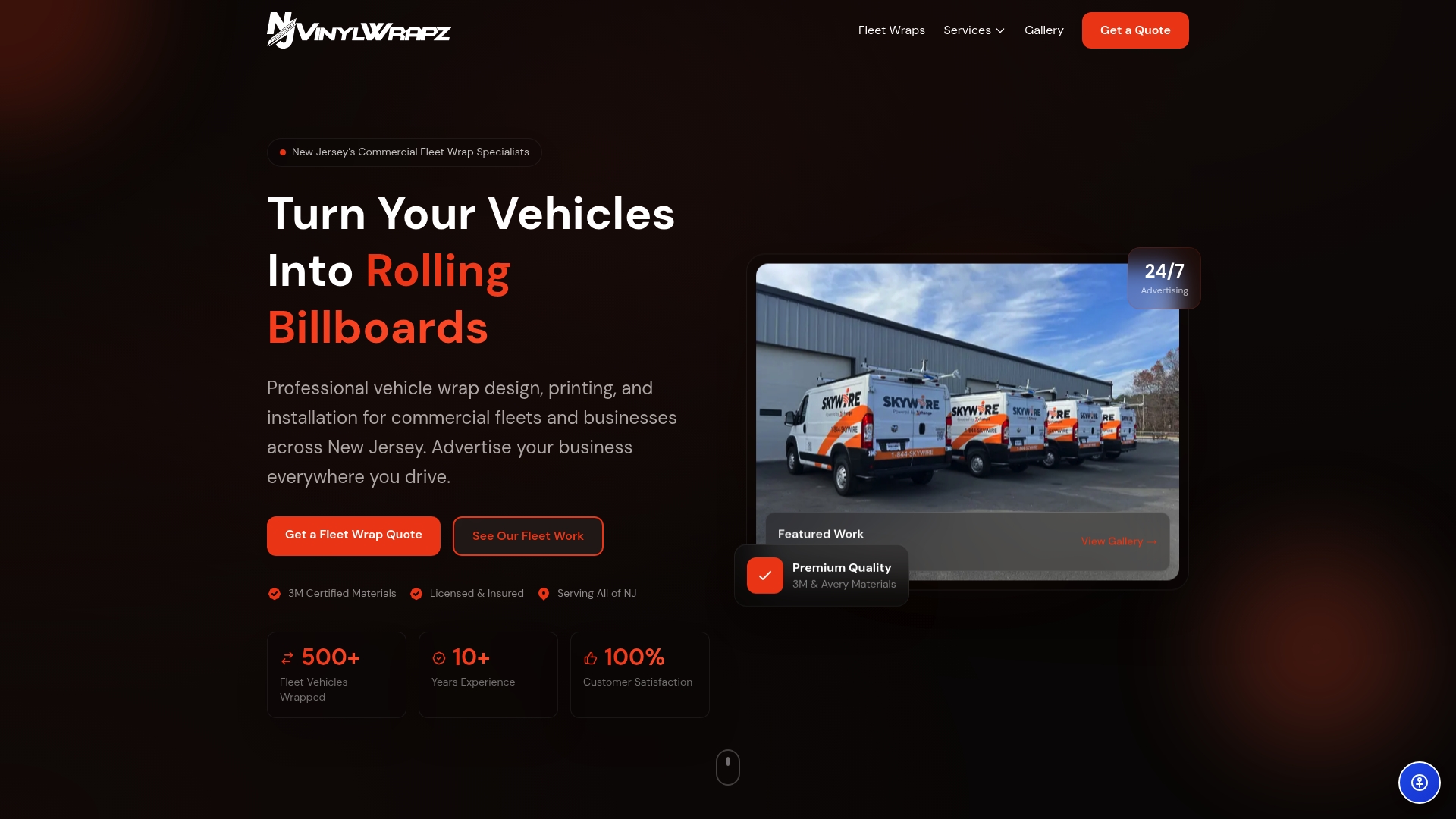
A fleet package from our team includes design, premium 3M and Avery materials, installation in our climate-controlled facility, and warranty support on the finished work. We can also start with a pilot batch or an onsite assessment if you want to see quality firsthand before committing the whole fleet.
- Share your vehicle count, condition notes, and photos
- Tell us your preferred material and timeline
- Ask about a pilot batch or a site visit before full rollout
Visit our fleet wraps page to request an assessment and get a quote started.
FAQ
How long does a professional fleet rewrap last?
Cast films like Avery’s MPI 1105 line are built for up to 5 years on properly prepared OEM paint, while removable cast films run closer to 2 years and calendared films around 1 year. Actual lifespan depends on exposure, installation quality, and how consistently the fleet follows maintenance guidance.
When should I repaint instead of rewrap?
Repainting makes more sense when a vehicle has rust, dents, or body damage that would compromise adhesion if wrapped over it. Once the paint surface is sound, a rewrap is typically faster and more cost-effective than a full repaint for branding changes.
How soon can I wash a vehicle after it’s wrapped?
Wait at least 72 hours before washing a newly wrapped vehicle so the adhesive has time to fully bond. After that, touchless washing and a cleaning cadence of about every two weeks helps the wrap hold its appearance.
Does NJ Vinyl Wrapz offer fleet volume discounts?
Fleet volume pricing is sometimes available as part of fleet packages, though exact figures depend on fleet size and scope. Reach out through our fleet wraps page for a quote specific to your fleet.
What happens if one panel gets damaged after installation?
Manufacturer guidance recommends replacing a full component or the entire wrap rather than patching a small section, since color, gloss, and lot variation make patches visible over time. Removal of damaged film may require heat or chemical methods best handled by a trained installer.
Sources
Manufacturer bulletins and resources for next steps
The technical rules behind this guide come from manufacturer instruction bulletins, including Avery Dennison’s wrap care guidance and 3M’s removal and storage bulletin. For fleet-specific planning, our fleet graphics workflow guide and fleet wraps page cover the operational side in more depth.