

Yes, vinyl can be color matched to automotive paint, but expect limits with special-effect finishes and when the underlying paint is not like-new. Solid, gloss colors on sound OEM paint match closely. Metallics, pearls, and color flips are harder, and lot variation, directional films, and panel condition all affect the outcome. Always require a physical sample approved under proper lighting before production begins.
TL;DR:
- Matching metallics, pearls, and color-flip paints is difficult because they change appearance with light and viewing angle, often requiring a full wrap for consistency.
- Cross-referencing paint codes with manufacturer tools and approving a physical sample under multiple lighting conditions are essential steps to prevent color disputes.
- Using the same production lot of vinyl and keeping application direction consistent across panels helps avoid visible mismatches during installation.
- Wrap durability varies based on film type, sun exposure, and maintenance, with warranties typically excluding damage caused by paint issues or improper removal.
- For fleet work, tracking lot numbers and securing written approval before installation ensures consistent color matching and smoother project management.
Table of Contents
- What color-matched wraps can and can’t do
- How shops actually match the color
- Finishes that make matching harder
- Installation and surface prep that affect the color outcome
- The approval workflow that prevents disputes
- Lifespan, removal, and what warranties actually cover
- Our shop checklist for a reliable color match
- Wrap or repaint: which one fits a color repair
- Color matching and wrap services from NJ Vinyl Wrapz
- FAQ
- Sources
What color-matched wraps can and can’t do
A solid gloss color applied to clean, like-new OEM paint is the easiest match to get right. The vinyl’s pigment sits close enough to the paint code that most eyes cannot tell the two apart under normal light.
Partial repairs complicate things. A patched panel can look different from a full-panel or full-vehicle wrap because of lot variation and the way paint ages and fades over time.
The hardest cases share a few traits:
- Pearlescent and metallic OEM finishes shift tone depending on light and viewing angle.
- Color-flip paints change hue entirely as the angle changes, which vinyl can approximate but rarely duplicates.
- Textured or brushed factory finishes add a surface quality that flat film does not naturally replicate.
Setting the right expectation before ordering material saves a lot of rework later.
How shops actually match the color
Getting from an OEM paint code to an approved wrap color takes more than reading a label. The process looks like this:
- Start with the paint code. It narrows the search but does not guarantee a match on its own, since paint ages and fades differently across panels.
- Cross-reference with manufacturer tools. Avery Dennison’s color-matching service uses the paint code alongside Pantone cross-references and a representative review to recommend or custom-order a film.
- Order a physical sample from the matched lot. Custom orders carry lead time, and the sample has to come from the same production run that will be used on the vehicle.
- View the sample in multiple lighting conditions including daylight, shop light, and shade, since a color that looks right under one light source can read differently under another.
Skipping the physical sample step is the single most common cause of disputes after installation.
Finishes that make matching harder
Certain films and finishes introduce variables that a flat color simply does not have.
- Directional and special-effect films change appearance depending on viewing angle, so installers have to keep film orientation and production lot consistent across every panel.
- Metallic flakes and pearlescent pigments interact with the clear coat and ambient light in ways that vinyl can mimic but rarely matches exactly.
- Textured, brushed, or printed films add another layer of variability, which makes wrapping only a damaged panel riskier than wrapping the full vehicle or panel set.
Pro Tip: When a repair involves a metallic or pearl finish, ask for a full-panel or full-vehicle wrap quote alongside the patch quote. The price difference is often smaller than the visible mismatch risk.
Installation and surface prep that affect the color outcome
The surface under the film matters as much as the film itself.
- Inspect first. Check for rust, dents, prior repairs, or recent paint that has not fully cured, and document any panel excluded from the job.
- Control the environment. Bring the vehicle into a climate-controlled space and follow the installation temperature range in the 3M vehicle-prep guide, which calls for a prep environment between 50°F and 100.4°F.
- Hold the lot and direction steady. Use film from a single production lot across the whole job, keep the application direction consistent, and post-heat stretched sections to the manufacturer’s recommended range to avoid overstretching or visible shifts.
A vehicle that has been freshly repainted should sit until the paint has fully cured before any film goes on, a point our vehicle prep guide covers in more detail. A general vehicle inspection checklist is a useful reference for spotting the kind of surface issues that affect a wrap’s final look.
The approval workflow that prevents disputes
A documented approval step protects both the shop and the vehicle owner, especially on fleet jobs where several vehicles need to look identical.
- Request a small swatch or test piece cut from the exact production lot, not a catalog sample, and view it under daylight, shop light, and shade before signing off.
- Test the film on any repaired or repainted section first to confirm adhesion and color interaction before committing the rest of the vehicle.
- Record the approved lot number and the lighting conditions under which approval was given, since this becomes the reference if a dispute comes up later.
- Get written sign-off that lists excluded panels, removal terms, and warranty limits before the full job starts.
Avery’s application instructions call for same-lot film across an entire vehicle and testing on repaired panels before full installation, which lines up with this approval sequence.
Lifespan, removal, and what warranties actually cover
How long a color-matched wrap holds up depends on the film series, the finish, sun exposure, and how the vehicle is washed and maintained. Manufacturer warranty programs, including 3M’s MCS coverage, outline expected performance but come with exclusions worth reading closely.
- Removal should always be planned, and professional removal is the safer route since amateur removal raises the risk of residue or paint damage.
- The 3M wrap film maintenance FAQ notes that warranties typically do not cover paint pull during removal, particularly on paint that was already compromised before the wrap went on.
- Ask for removal conditions, panel exclusions, and any time limits in writing before the job starts, not after a problem shows up.
For fleets planning a wrap refresh cycle, this paperwork matters more than it seems to at the time, since it determines who is responsible if removal reveals paint damage underneath.
Our shop checklist for a reliable color match
A consistent shop workflow removes most of the guesswork from color matching. Ours runs through five steps: inspect the vehicle with the owner present, clean and decontaminate the surface, pull a sample and get written sign-off, install in a climate-controlled bay, then post-heat and run a final inspection before handoff.
For fleet accounts, a few extra habits pay off:
- Track the film lot number for every vehicle in the fleet, not just the first one wrapped.
- Keep a signed approval on file per vehicle so later additions match the originals.
- Build a removal plan into the project timeline instead of treating it as an afterthought.
- Put warranty and exclusion language in writing before work begins.
Pro Tip: Fleet managers adding vehicles to an existing branded fleet should request the original lot number first. A new lot, even from the same film line, can read slightly differently under fleet-yard lighting.
Wrap or repaint: which one fits a color repair

Wraps make sense for most repairs and branding work. They install faster, keep the fleet on the road with less downtime, and protect the OEM paint underneath rather than altering it permanently. For branding, partial repairs, and most color changes, that speed and reversibility outweighs a small risk of visible variance.
Repaint earns its place in one specific case: when a single damaged panel has to disappear into a factory special-effect finish with zero visible seam, and only a true factory-level respray will do.
— NJ Vinyl Wrapz
Color matching and wrap services from NJ Vinyl Wrapz
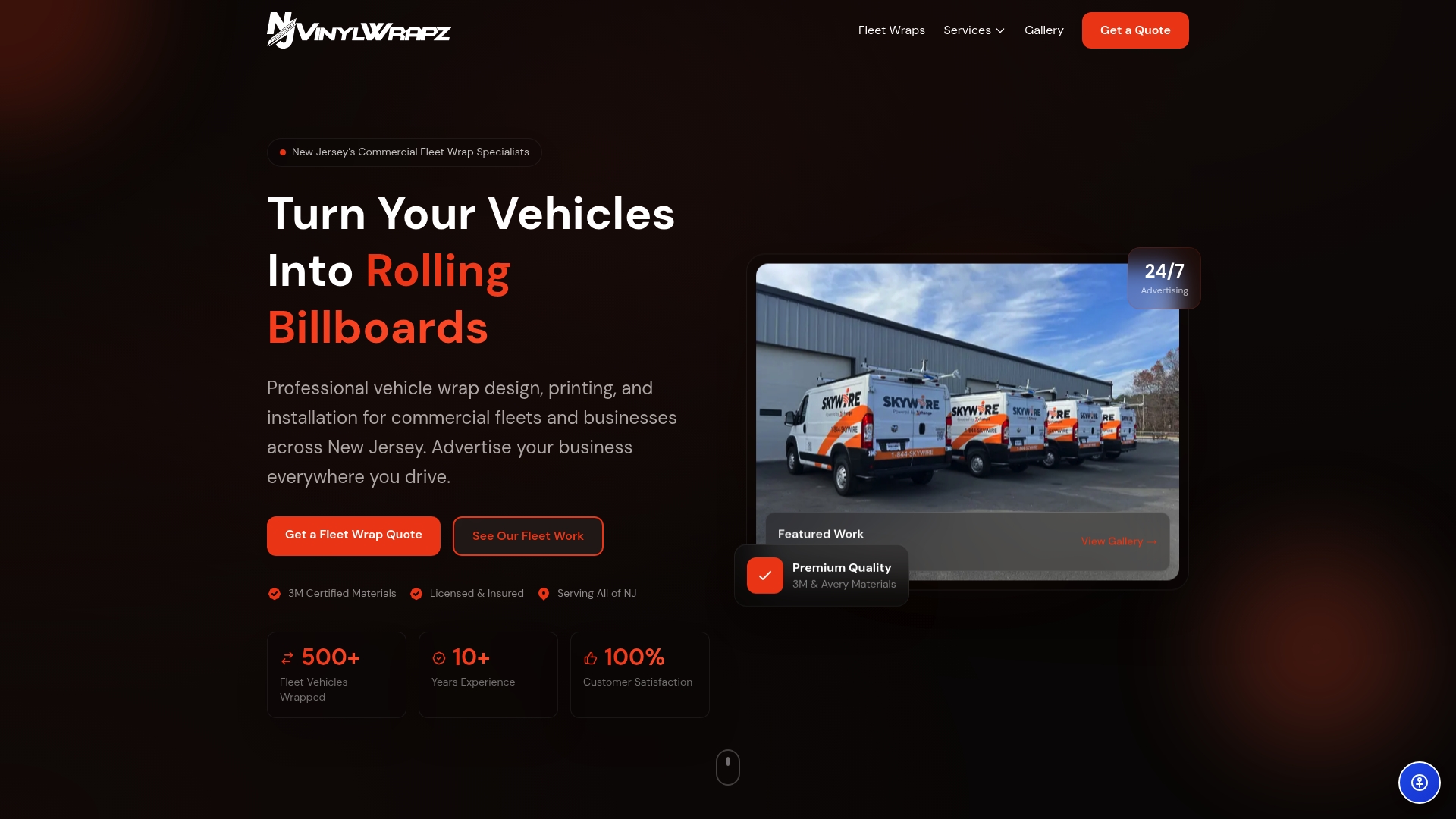
We handle color-matched wraps the way the approval process above describes: paint code first, manufacturer cross-reference second, physical sample and written sign-off before any material gets cut. Our installs happen in a climate-controlled facility using 3M and Avery film, which keeps temperature and adhesion variables out of the equation on repair and fleet jobs alike.
What we offer:
- Full wraps, partial wraps, and vehicle lettering for single vehicles and repairs.
- Fleet wraps with lot tracking and per-vehicle sign-off for businesses adding to an existing branded fleet.
- Color change wraps for owners who want a new finish without repainting.
- Paint protection film and ceramic coating for owners protecting the paint underneath.
Whatever shop you choose, ask for a same-lot guarantee, a physical sample approved under real lighting, and removal terms in writing before you sign off. If you would rather skip that back-and-forth, reach out about your project and we will walk you through the sample and approval steps before a single panel gets wrapped.
FAQ
Can you color match a car wrap?
Yes, vinyl can be color matched to automotive paint using the OEM paint code combined with a manufacturer cross-reference service, such as the one Avery Dennison offers. Solid, gloss colors match closely on sound paint, while metallics, pearls, and color flips are harder to replicate exactly.
Is it cheaper to paint or wrap a car?
Cost depends on the scope of the job, the paint type, and the finish being matched, so there is no single answer that holds across every vehicle. A wrap quote from a shop using published pricing, such as our partial wrap starting at $1,500, gives a clearer comparison point than a general rule of thumb.
What is the most difficult color to match on a car?
Special-effect finishes, including pearls, metallics, and color-flip paints, are the hardest to match because they change appearance with viewing angle and light. Textured or brushed factory finishes add further difficulty since flat film does not naturally reproduce that surface quality.
How long does a color wrap last on a car?
Durability depends on the film series, the finish, sun exposure, and how well the vehicle is maintained, and manufacturer programs like 3M’s MCS warranty outline expected performance with specific exclusions. Ask your installer for the warranty terms in writing, since coverage typically does not extend to paint pull during removal.
Why does lighting change how a color match looks?
A color that looks correct under daylight can read differently under shop fluorescents or in shade, which is why approval should always happen under more than one light source. This is also why a physical swatch from the production lot, not a printed or digital sample, is the only reliable way to approve a match.