
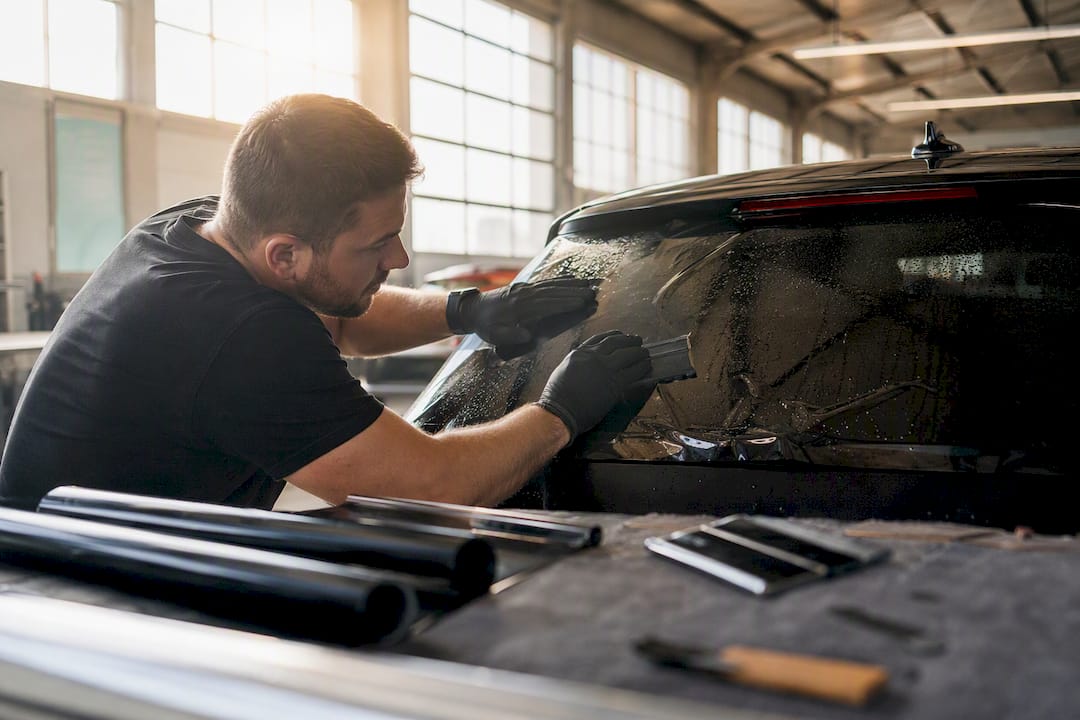
For Tulsa vehicle and property owners who want the fastest route to compliant, long-lasting tint, three names top the local shortlist: NJ Vinyl Wrapz for warrantied, brand-backed installs done in a climate-controlled shop; Tint World (Tulsa) if you want a national chain’s standardized packages; and Altamere of Tulsa for premium ceramic and PPF pairings from installers with decades of local experience. Expect $250–$600 for a sedan, $350–$1,000+ for an SUV or van depending on film quality, and roughly $50–$150 per residential window for standard solar film.
- NJ Vinyl Wrapz — best for buyers who want documented 3M/Avery materials and a written warranty
- Tint World (Tulsa) — best for a standardized, multi-location package experience
- Altamere of Tulsa — best for premium ceramic/PPF combinations
One more thing before you call anyone: Oklahoma requires side and rear windows to let in at least 25% VLT, and the Oklahoma tint statute caps reflectivity at 25% too. Keep your receipt and the film’s spec sheet in the glovebox. It’s the cheapest insurance against a citation you’ll ever buy.
Key Takeaways
| Point | Details |
|---|---|
| Know your price band | Sedans run $250–$600, SUVs and vans $350–$1,000+, residential windows roughly $50–$150 each. |
| Stay legal | Oklahoma requires at least 25% VLT on side and rear glass with a 25% reflectivity cap. |
| Match film to climate | Ceramic film blocks up to 99% of UV rays, making it the strongest pick for Tulsa summers. |
| Ask before booking | Confirm film brand, warranty terms, and shop environment before handing over a deposit. |
| Consider NJ Vinyl Wrapz | Offers documented 3M/Avery materials, written warranty, and climate-controlled installation for auto and commercial projects. |
Table of Contents
- Window Tinting Tulsa Options: A Quick Side-by-Side Comparison
- How Much Does Window Tinting Cost in Tulsa?
- Which Window Film Type Is Right for Your Vehicle or Home?
- Oklahoma Tint Law: What’s Legal and How to Stay Compliant
- How Do You Choose the Right Tulsa Tint Shop?
- What Happens During Installation and How Long Does It Take?
- Why Shop Environment and Installer Skill Change the Outcome
- Caring for Your Tint Through Tulsa’s Heat and Storms
- What Tulsa Drivers Get Wrong About Window Tinting
- A Different Path to Professional Window Tinting
- Sources
- FAQ
Window Tinting Tulsa Options: A Quick Side-by-Side Comparison
Not every Tulsa shop is built for the same job. A shop that excels at fast auto turnarounds isn’t necessarily who you want cutting film for a two-story home with 40 windows. The table below groups six local and regional options by what they actually do best, using publicly advertised pricing and service focus where it exists.
A few of these entries run lean on public pricing data, so treat the ranges above as a starting point, not a quote. Whoever you call, ask them to put the film brand and VLT percentage in writing before you book.
How Much Does Window Tinting Cost in Tulsa?
A basic dyed film on a sedan runs toward the bottom of the $250–$600 range Kelley Blue Book cites nationally, while a full nano-ceramic install on the same car pushes $350–$600 or higher. Bump up to an SUV or van with more glass and steeper curves, and $1,000-plus for premium ceramic isn’t unusual. Rear-window-only jobs (just the back glass on a truck, for example) typically land in the $75–$150 range since there’s far less material and labor involved. On the residential side, expect roughly $50–$150 per standard window for solar film, with whole-house jobs priced as a package once a shop walks your property.
Four things move that number up or down more than anything else:
- Film type and brand — dyed film is the budget option; ceramic costs more but rejects far more heat without the metallic tints that can interfere with radio and GPS signals
- Glass complexity — compound curves on rear windshields take more time and skill to pattern-cut, which shops price into the job
- Shop environment and tooling — a plotter-cut, climate-controlled bay costs more to run than an open-garage setup, and that overhead shows up in the quote
- Bundled services — pairing tint with PPF or ceramic coating often comes at a package discount versus booking each separately
Pro Tip: Ask every shop for an itemized quote that lists the film brand, VLT percentage, warranty length in writing, and their tint removal policy. A shop that hesitates to put those four things on paper is telling you something.
Which Window Film Type Is Right for Your Vehicle or Home?
Ceramic film blocks up to 99% of UV rays and cuts interior heat dramatically without the signal interference that comes with older metalized films, which makes it the top pick for Tulsa’s brutal summer sun. Carbon film splits the difference: solid heat rejection, no signal issues, and a price point below ceramic. Dyed film is the budget entry, blocking glare and adding privacy but doing little for heat. Metalized film reflects heat well but can mess with cell and GPS reception, and hybrid films blend dye and metal layers to soften that trade-off at a mid-range price.
- Ceramic — best heat rejection, no signal interference, premium pricing
- Carbon — strong heat rejection, signal-safe, mid-to-premium pricing
- Hybrid — balanced performance, moderate pricing
- Metalized — good heat rejection, possible signal interference, mid pricing
- Dyed — glare and privacy only, minimal heat rejection, budget pricing
Kelley Blue Book notes that ceramic film delivers superior heat rejection without the GPS or cell-signal problems that come with metal-based films, which matters if you rely on in-dash navigation or a phone mount. Whatever film you choose, ask for the manufacturer’s spec sheet. A named brand like 3M, Llumar, or STEK backs its product with documented performance data. A shop that can’t name the brand it’s installing usually can’t back up its heat-rejection claims either.
Oklahoma Tint Law: What’s Legal and How to Stay Compliant
Oklahoma sets a clear floor: side and rear windows must let in at least 25% VLT, and reflectivity can’t exceed 25% either. Windshield tint is limited to a strip along the top, and mirrored finishes are banned outright. Drivers with documented medical conditions can apply for an exemption that allows darker film, and officers use handheld photometers to check compliance during traffic stops.
- Side and rear windows: minimum 25% VLT
- Reflectivity: capped at 25%
- Windshield: top strip only, no mirrored finish
- Medical exemptions available with documentation
Pro Tip: Keep your installation receipt and the film’s spec sheet in the glovebox. An officer can’t verify your film meets the legal minimum without paperwork in hand, and having it ready often ends a stop before it becomes a citation. If you’re ever unsure where your vehicle stands, confirm directly with Oklahoma DPS or the statute rather than trusting a shop’s verbal assurance.
How Do You Choose the Right Tulsa Tint Shop?
Booking the wrong shop usually costs you twice: once for the bad install, again for the removal and redo. Run through this before you hand over a deposit:
- Ask what film brand and spec they’re installing — get the VLT percentage and heat-rejection numbers in writing
- Ask about warranty terms — separate material warranty (covers bubbling, peeling) from workmanship warranty (covers installer error)
- Ask about the installation environment — a clean, climate-controlled bay produces fewer defects than an open garage
- Ask whether they pattern-cut or hand-cut — plotter-cut templates matched to your vehicle model tend to fit tighter than freehand work
- Ask about their removal policy — a shop that stands behind its work will also remove old film cleanly if needed
Red flags to walk away from:
- No specific film brand named when asked directly
- No written warranty, just a verbal promise
- Visible dust or poor lighting in the install bay
- Pressure to rush the job same-day with no cure-time discussion
- No before-and-after portfolio to review
Before you leave the shop, confirm the appointment length, get written cure instructions, and lock in your expected pickup window. A reputable Tulsa shop will walk you through all of this without you having to ask twice.
What Happens During Installation and How Long Does It Take?
A professional install follows a set sequence, and skipping steps is exactly what produces the bubbles and peeling you see on cheap jobs.
- Check-in and consultation to confirm film choice and coverage
- Deep cleaning of the glass to remove every trace of dust and residue
- Pattern cutting, either plotter-cut or hand-cut to the glass shape
- Heat-shrinking the film to match compound curves on rear glass
- Adhesive activation and placement using a slip solution
- Squeegeeing to remove air and moisture from under the film
- Trim and edge finishing, then a final quality check
A sedan typically takes one to two hours; an SUV or a full residential job takes longer depending on window count and glass complexity. Film needs three to seven days to fully cure, and rolling your windows down during that window can shift the film before the adhesive fully sets.
Pro Tip: Ask for a written cure-and-cleaning guide before you leave, and confirm whether a follow-up inspection is built into your warranty.
Why Shop Environment and Installer Skill Change the Outcome
A dusty garage and a climate-controlled bay do not produce the same result, even with identical film. Industry installation guidelines call out dust control, proper overhead and side lighting, and non-skid flooring as baseline requirements, not extras. Dust trapped under film during application shows up as tiny bumps that never go away.
Manufacturer instructions from brands like 3M spell out specific cutting and mounting techniques precisely because shortcuts here cause the reworks that void warranties. Shops using pattern-plotter cutting tied to a vehicle-model database tend to produce tighter, cleaner fits than shops hand-cutting on the fly.
- Dust-controlled, climate-managed bay
- Proper lighting for accurate cutting
- Plotter-cut patterns matched to vehicle model
- Documented, brand-backed materials
Pro Tip: Ask directly whether the shop uses a pattern database or pre-cut kits for your specific vehicle model, and get warranty terms in writing before the job starts.
Caring for Your Tint Through Tulsa’s Heat and Storms
Tulsa’s climate is rough on window film in ways drivers in milder states never think about. Summer heat that regularly tops 95°F stresses adhesive during the cure window, and sudden hailstorms or heavy spring rain can tempt you to roll windows down before the film has fully set. Don’t. Give tint the full three to seven days to cure regardless of weather, and avoid using automatic car washes with stiff brushes during that period.
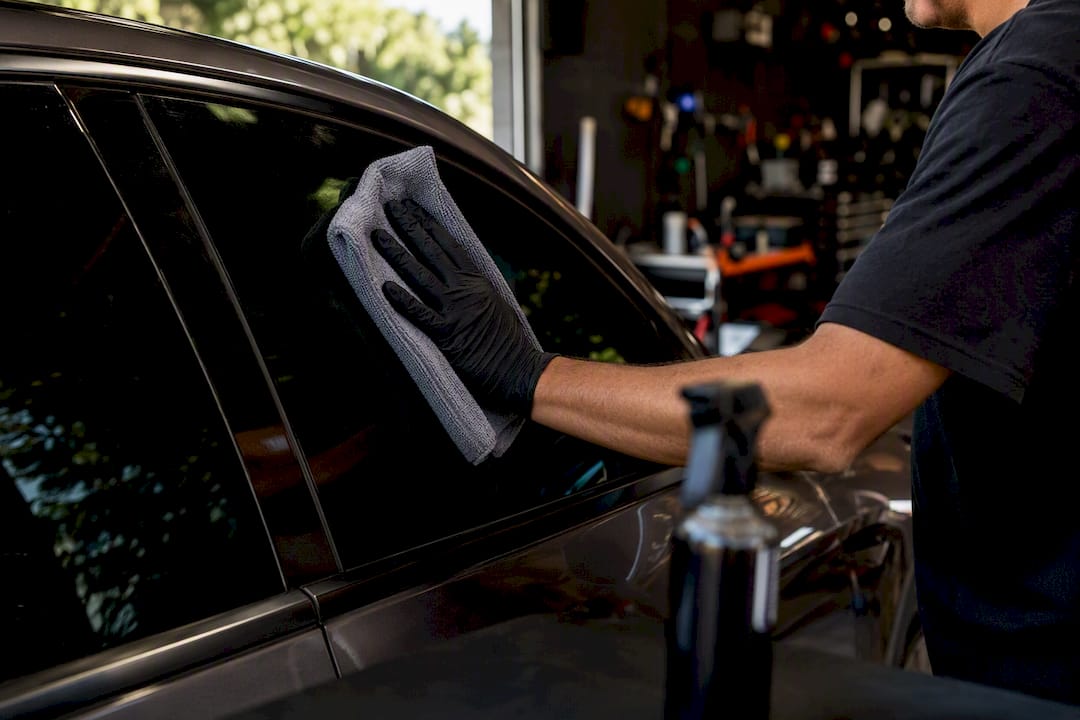
Once cured, clean tinted windows with a soft microfiber cloth and an ammonia-free glass cleaner. Ammonia-based products break down the film’s adhesive layer over time and can cause bubbling or discoloration years before it should happen. A streak-free cleaning method built around gentle products and proper technique extends the life of any film, residential or automotive.
For homes, Oklahoma’s freeze-thaw cycles between winter and spring can stress window seals, and film applied near a compromised seal is more likely to show edge lifting. If you notice bubbling, peeling at the edges, or a hazy discoloration, that’s usually adhesive failure rather than a defect in the film itself, and it’s worth a call back to whoever installed it. Reputable shops that stand behind their written warranty will inspect and often repair this at no charge within the coverage period. Direct summer sun through south and west-facing windows is where Tulsa homeowners see the fastest payback on residential film, since interior heat buildup during peak months is where solar film earns its keep.
What Tulsa Drivers Get Wrong About Window Tinting
Most buying guides treat window tint as a commodity: pick a percentage, pick a price, done. That’s backward. The film percentage matters far less than whether the shop installing it controls dust, uses the right cutting technique for your specific glass, and stands behind the work in writing. Two shops quoting the identical 35% ceramic film can produce wildly different results five years out, and the difference is almost never the film itself.
The conventional advice to “just find the cheapest 20% tint shop near me” ignores that Oklahoma’s 25% VLT floor makes 20% illegal on side and rear glass in the first place. That single detail trips up more Tulsa drivers than any pricing question. Before you compare a single dollar figure, confirm the shop is quoting you something you can legally drive with.
If there’s one thing worth prioritizing above price, it’s the warranty and the environment the film gets installed in. A climate-controlled bay with documented brand partnerships isn’t a marketing detail. It’s the difference between film that lasts a decade and film you’re removing in eighteen months.
A Different Path to Professional Window Tinting
Comparing local Tulsa shops is the right move if you want boots-on-the-ground service today. But if you’re a fleet manager, business owner, or vehicle owner in New Jersey, Pennsylvania, New York, or Delaware weighing tint alongside other vehicle upgrades, NJ Vinyl Wrapz offers a different kind of value: one shop, one appointment, for tint, full vehicle wraps, PPF, and ceramic coating together, all installed with premium 3M and Avery materials in a climate-controlled facility.
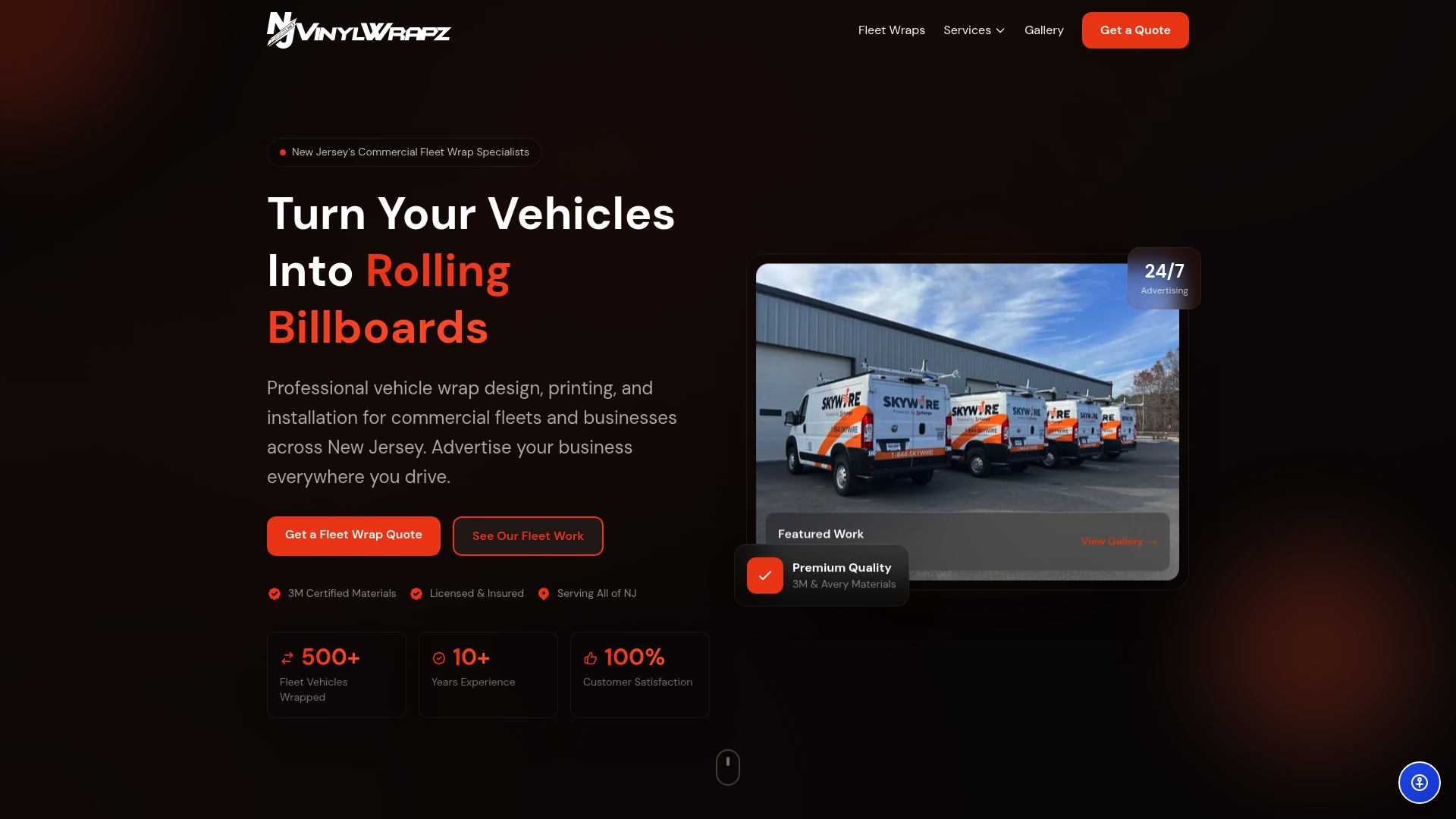
That matters most if you’re managing a commercial fleet where consistent branding and protection need to happen under one roof instead of three separate vendor visits. Licensed, insured, and backed by over a decade of installation experience, NJ Vinyl Wrapz handles the tint and the wrap in the same visit, so your vehicles are back on the road faster. Visit the window tinting services page to see current film options, or request a quote to get your project scheduled.
Sources
- Oklahoma window tint laws: limits and penalties (Legal Clarity)
- IWFA automotive installation guidelines (EWFA) PDF
- Car window tinting: 7 things you need to know (Kelley Blue Book)
- Scotchtint / Scotchshield automotive film installation instructions (3M)
FAQ
What Is the Darkest Legal Tint in Oklahoma?
Oklahoma requires side and rear windows to allow at least 25% VLT, meaning film letting in less than 25% of light is not street legal without a medical exemption.
How Much Does Window Tinting Cost in Tulsa?
Expect $250–$600 for a sedan and $350–$1,000+ for an SUV or van depending on film type, with premium ceramic film landing at the higher end of that range.
What Is the Average Price for Tinted Windows?
Nationally, sedans average $250–$600 for a full tint job, while residential windows typically run $50–$150 each depending on film type and window size.
Is 35% or 20% Tint Darker?
20% tint is darker than 35% because the percentage refers to how much light passes through. In Oklahoma, 20% tint on side and rear windows falls below the state’s 25% minimum and is not legal without an exemption.
Does NJ Vinyl Wrapz Offer Window Tinting for Commercial Fleets?
Yes. NJ Vinyl Wrapz installs window tint alongside full vehicle wraps and graphics for commercial fleets, using 3M and Avery materials in a climate-controlled shop.