
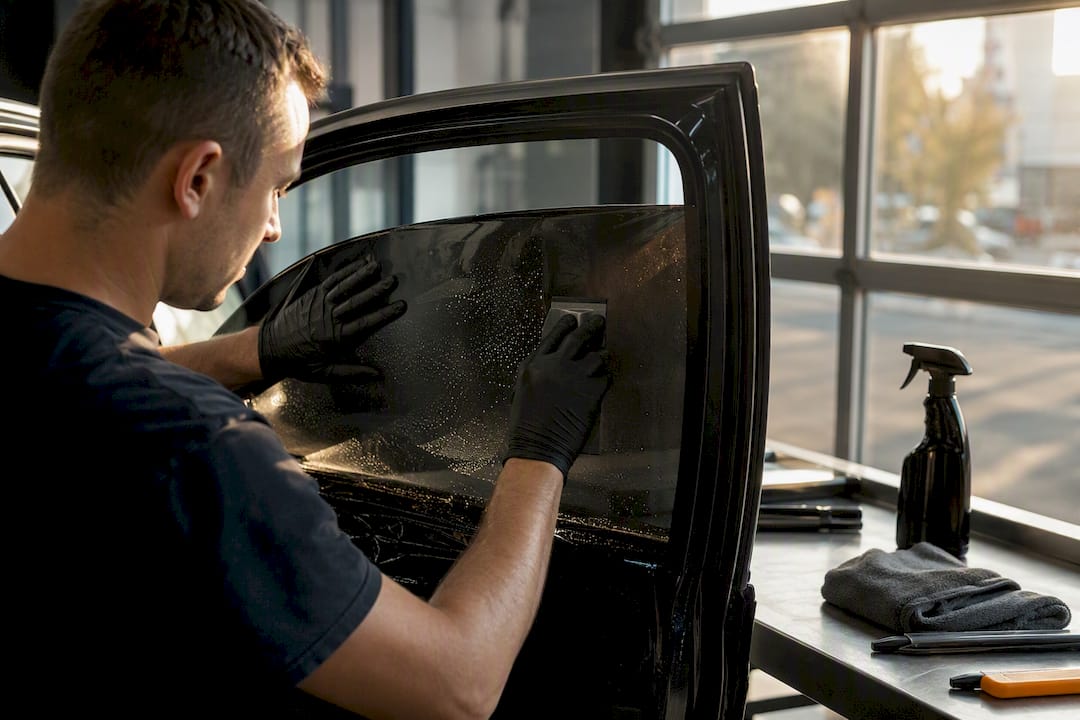
Professional window tinting in Melbourne, FL is legal and safe as long as you pick a certified installer using film that meets Florida’s visible light transmittance (VLT) and reflectivity limits. Front side windows need at least 28% VLT, rear windows need 15% (sedans) or 6% (SUVs and MPVs), and reflectivity is capped at 25% front and 35% rear. Certified local shops can hit those numbers with ceramic film that also cuts heat and protects your interior.
Your next move: call two or three shops, ask for a written estimate, and request VLT test documentation before you book. A few names worth starting with:
- Sunstopper Window Tinting — long-standing Brevard-area shop for auto and residential jobs.
- Art’s Window Tinting — local reputation built on residential and automotive installs.
- Explicit Customs — Melbourne-based, with both storefront and mobile options.
- Tint World (Melbourne location) — national warranty backing with local scheduling.
- NJ Vinyl Wrapz — full-service wrap and tint provider with documented warranty support.
Get the estimate in writing, confirm the measured VLT, and you’re set to book with confidence.
Key Takeaways
Certified Melbourne, FL installers using ceramic film can meet Florida’s 28% front and 15%/6% rear VLT limits while delivering better heat rejection than budget dyed film.
| Point | Details |
|---|---|
| Know the legal minimums | Front windows need 28% VLT, rear windows need 15% (sedans) or 6% (SUVs/MPVs). |
| Demand proof, not promises | Ask for a product data sheet and a post-install VLT reading on your specific vehicle. |
| Ceramic film wins in Florida | It rejects infrared heat without extreme darkening and won’t interfere with signals. |
| Budget for tiers, not one price | Dyed, carbon, and ceramic film carry different costs and different lifespans. |
| NJ Vinyl Wrapz offers a documented path | Full-service wrap and tint installs backed by warranty support for readers who also want wrap or graphics work done in one visit. |
Table of Contents
- Melbourne-Area Tint Shops Worth Calling First
- What Services Do Melbourne Tint Shops Actually Offer?
- What Are Florida’s Legal Tint Limits?
- Ceramic, Carbon, Dyed, or Metalized: Which Film Fits?
- How Much Does Window Tinting Cost, and How Long Does It Take?
- How Do You Pick the Right Tint Shop?
- What Happens on Install Day?
- How Do Local Pricing Structures and Packages Compare?
- How Far Out Should You Book in Melbourne?
- Where to Verify Florida’s Tint Rules Yourself
- Why a Local-First Approach Beats Chasing the Cheapest Quote
- A Different Path: Pairing Your Tint With a Full Vehicle Wrap
- Sources
- FAQ
Melbourne-Area Tint Shops Worth Calling First
A few minutes on the phone tells you more than any website. Here’s who to call and what to ask before you commit.
- Sunstopper Window Tinting: Best for local residential and automotive tinting; established presence in the Brevard market with dealer-line product options.
- Art’s Window Tinting: Best for homeowners and drivers wanting a shop with deep local roots in Brevard County.
- Explicit Customs: Best for auto styling combined with tint, including mobile service for drivers who can’t drop off a vehicle.
- Tint World (Melbourne location): Best for buyers who want a national warranty program alongside local install.
- NJ Vinyl Wrapz: Best for readers who also want wrap or graphics work paired with tint, backed by documented warranty terms.
To verify certification over the phone, ask the shop to name their film manufacturer and dealer program, then ask if they can email a warranty statement while you’re still on the call.
Pro Tip: Ask each shop to text or email before/after photos from a recent local job before you book. A shop confident in its work will send them in minutes, not days.
What Services Do Melbourne Tint Shops Actually Offer?
Matching your need to the right service keeps you from requesting the wrong quote. Auto tinting covers full vehicle jobs, partial (rear windows only), and the AS-1 windshield strip. Residential work includes single-pane windows and sliding glass doors. Commercial jobs mean storefront glass and office windows, often requiring higher heat rejection film rated for larger surface areas.
- Automotive: Full car, partial, or windshield strip; look for optical clarity and ADAS-camera compatibility if your vehicle has driver-assist sensors behind the glass.
- Residential: Single-pane and sliding-door film; ask about total solar energy rejection (TSER) and infrared performance, since Florida sun hits west-facing rooms hardest.
- Commercial: Storefront and office glass; warranty length matters more here since replacement costs scale with glass size.
- Mobile installation: Convenient for busy schedules, but confirm the setup.
Pro Tip: A mobile install van should be climate-controlled with a dust-free workspace. Ask directly. If the installer hesitates or says “we just do it in the driveway,” book with a shop instead.
What Are Florida’s Legal Tint Limits?
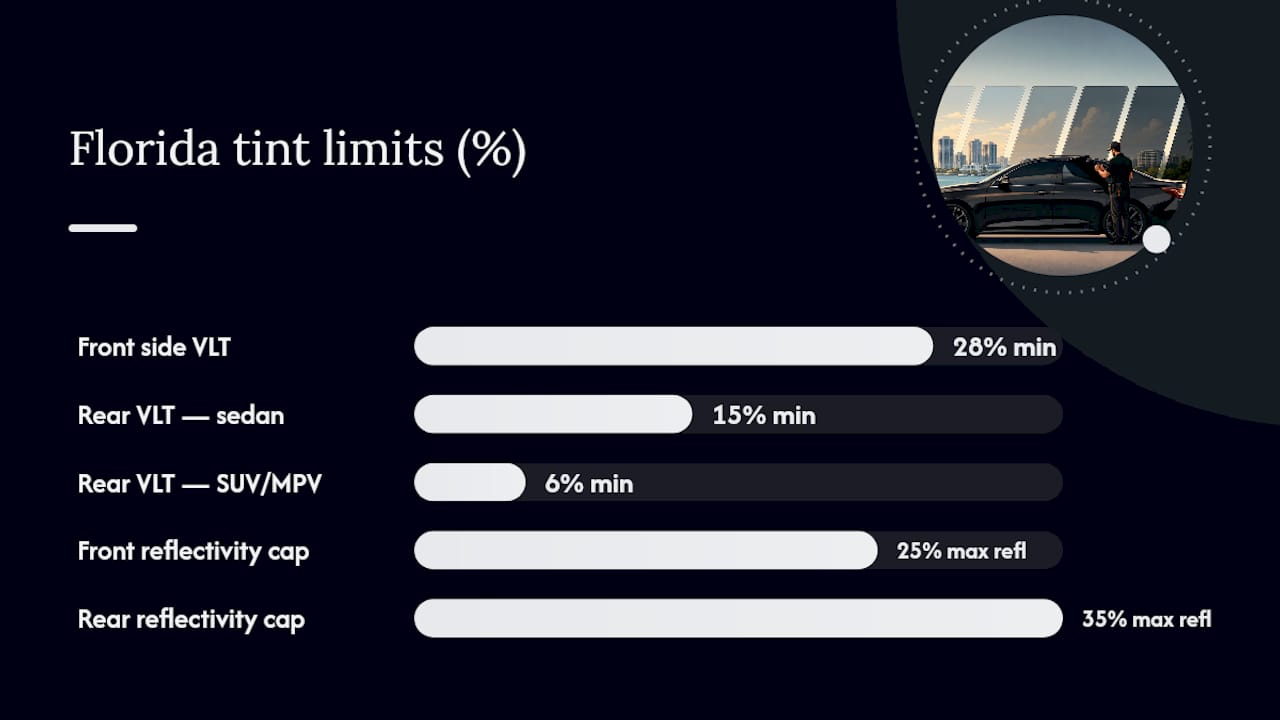
Florida sets tint darkness by VLT, not by “shade” description, and the numbers are non-negotiable. Front side windows on every vehicle must transmit at least 28% VLT. Rear side and rear windows must allow 15% VLT for sedans and 6% VLT for SUVs and MPVs. Reflectivity is capped at 25% on front windows and 35% on rear windows, measured on the non-film side of the glass.
Enforcement isn’t pixel-perfect. Courts and officers typically allow a ±3% tolerance on VLT readings, which is exactly why a reputable installer measures your vehicle’s actual VLT with a spectrophotometer rather than guessing based on the film’s rated percentage.
If you have a medical condition requiring darker tint, Florida’s exemption process runs through FLHSMV form HSMV 83390. Without that certificate, tint below the legal minimum is a violation regardless of medical need.
Penalties aren’t severe, but they’re real. Illegal tint is treated as a noncriminal nonmoving infraction for the vehicle owner, while a shop that knowingly installs illegal film can face misdemeanor exposure. Before you pay, ask your installer for three things: the product data sheet, a measured VLT reading taken on your specific vehicle, and a written warranty statement.
Ceramic, Carbon, Dyed, or Metalized: Which Film Fits?
Ceramic film is the strongest all-around choice for Florida’s climate, and here’s why each type stacks up differently:
- Ceramic: Non-metallic construction, strong infrared rejection, doesn’t fade or interfere with radio/GPS signals. Premium ceramic products often carry a lifetime warranty for the original owner.
- Carbon: Mid-range heat rejection and price; a reasonable step up from dyed film without ceramic’s cost.
- Dyed: The budget option. It blocks glare and adds privacy but tends to fade toward purple within a few years under constant sun exposure.
- Metalized: Reflective and durable, but the metal content can interfere with cell signal, GPS, and some toll transponders.
Ceramic technology rejects infrared heat without extreme darkening, which matters if you want the legal 28% VLT on your front windows and still feel a real drop in cabin temperature. Some ceramic IR products publish 90%+ infrared rejection specs, so ask your installer for the actual data sheet rather than trusting a shade description.
Pro Tip: A clear ceramic windshield film is worth asking about. It stays within the AS-1 rule while cutting a meaningful amount of heat and UV through the one piece of glass Florida law won’t let you darken.
How Much Does Window Tinting Cost, and How Long Does It Take?
Pricing scales with film tier and vehicle size. A full sedan or small SUV typically runs from budget dyed film on the low end up through premium ceramic on the high end, with residential single-window jobs priced separately from whole-vehicle packages.
What moves the price:
- Film brand and warranty tier (LLumar, FormulaOne, and CPFilms dealer products generally cost more than generic film).
- VLT selection and number of windows.
- Vehicle glass complexity (curved rear glass takes longer than flat panels).
- Mobile service versus in-shop installation.
Installation itself:
- A standard vehicle takes a few hours in-shop.
- Curing takes 48 to 72 hours before you should roll windows down.
- Avoid pressure washing or aggressive cleaning near the edges for about a week.
Ask for an itemized quote listing film brand, VLT percentage, warranty length, and estimated install time before you agree to anything.
How Do You Pick the Right Tint Shop?
Run through this checklist before booking anyone:
- What film brand do you install, and can I see the product data sheet?
- Are you a certified dealer (LLumar SelectPro, CPFilms accreditation, or FormulaOne dealer)?
- What does the warranty cover, and for how long?
- Do you measure VLT on my vehicle after install, or just quote the film’s rated percentage?
- Are you licensed and insured?
- Can you show photos of recent local installs?
Watch for red flags:
- A quote dramatically lower than every other shop you called.
- No written warranty, or a warranty that’s verbal only.
- Metalized film pushed without any mention of signal interference.
- No spectrophotometer on-site, or refusal to measure your finished VLT.
Certifications matter beyond marketing. A LLumar SelectPro or CPFilms-accredited dealer has manufacturer-backed traceability, meaning if your film fails, the manufacturer stands behind it, not just the local shop. Reading more on choosing a local tint installer before you call can sharpen your questions further.
What Happens on Install Day?
Install day follows a predictable sequence, and knowing it helps you spot a rushed job.
- Vehicle prep and glass cleaning.
- Film cutting and heat-shrinking to match your glass’s curve.
- Wet application onto the interior glass surface.
- Edge trimming for a clean fit.
- Initial inspection and VLT reading.
- Cure instructions handed to you in writing.
That heat-shrinking step matters more than most drivers realize. Installers shrink film on the external surface first to match compound curves before the final interior fit, which is exactly the technique that prevents the “fingers” and ridging you see on cheap DIY jobs.
A valid warranty should cover peeling, bubbling, and discoloration. Keep your paperwork.
- Wait 48 to 72 hours before rolling windows down.
- Skip pressure washing near edges for about a week.
- Book a quick follow-up if you spot bubbling early.
How Do Local Pricing Structures and Packages Compare?
Melbourne-area shops don’t all price the same way, and that difference matters more than the sticker number on a quote. Some shops quote per-window pricing, which suits residential customers who only need a couple of rooms done or drivers who just want the rear windshield and back doors covered. Others bundle full-vehicle packages at a flat rate, which tends to work out cheaper per window if you’re doing the whole car.
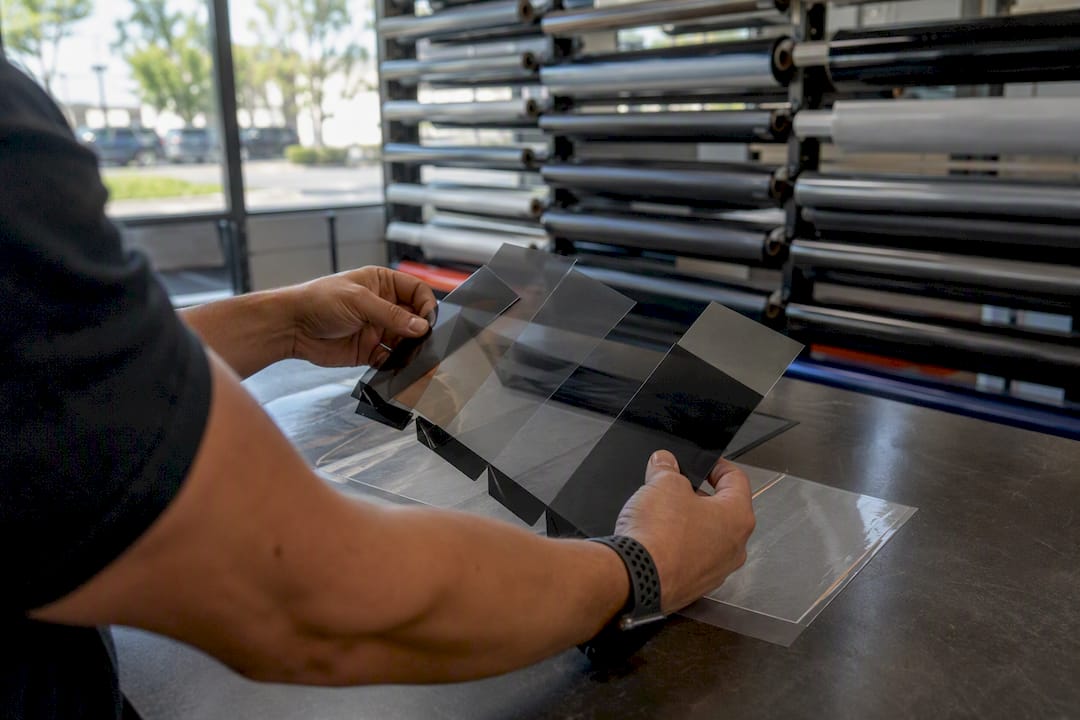
National chains like Tint World often lean on standardized package tiers, good, better, best, tied to specific film lines with matching warranty lengths. That structure makes comparison shopping easier since you know exactly what you’re getting at each price point. Independent shops such as Sunstopper Window Tinting or Art’s Window Tinting may price more flexibly, sometimes bundling a windshield strip free with a full-vehicle order or discounting a residential job if you tint multiple rooms in one visit.
Watch for bundled protection packages, too. Shops that also offer paint protection film or ceramic coating sometimes discount tint when paired with those services, since it’s one appointment instead of two. If you’re weighing a full wrap alongside window tint, ask whether combining services in one visit saves on labor.
Whatever structure a shop uses, get the breakdown in writing: price per window versus flat package rate, what triggers an upcharge (curved rear glass, oversized SUV windows), and whether the quote includes the windshield strip or treats it as an add-on.
How Far Out Should You Book in Melbourne?
Appointment lead times in Melbourne swing with the season. Spring and early summer, when Florida heat starts climbing and snowbirds are getting cars ready before heading north, tend to book up faster. Independent shops with one or two installers may need a few days to a week or more out during peak demand, while larger operations with multiple bays can sometimes work you in faster.
Mobile installers add flexibility but come with their own scheduling quirks. Weather matters for mobile work since film application needs a dry, dust-free environment. A shop offering mobile service may push your appointment if rain is forecast, so ask about their weather policy upfront rather than assuming a fixed date holds no matter what.
If your schedule is tight, call ahead and ask two questions: how far out are you booking right now, and do you keep a waitlist for cancellations? Shops juggling both storefront and mobile appointments sometimes have same-week openings if a mobile slot frees up. Residential and commercial jobs typically have more scheduling flexibility than automotive work since there’s no vehicle drop-off logistics involved, but larger commercial storefront jobs may need to be scheduled around a business’s operating hours, which can push lead times out further than a simple car appointment.
Where to Verify Florida’s Tint Rules Yourself
Double-check anything here against the primary sources before you rely on a single interpretation, since local enforcement practices can shift.
- Florida Statutes, Chapter 316 (Uniform Traffic Control Law)
- F.S. 316.2953 - Side windows; restrictions on sunscreening material
- F.S. 316.2954 - Windows behind the driver; restrictions on sunscreening material
- Florida window tint law: legal limits, tickets & exemptions
- Ceramic window tint: complete guide for peak heat protection
Why a Local-First Approach Beats Chasing the Cheapest Quote
The conventional advice on tinting always leads with price, and that’s backward. The cheapest quote in Melbourne is almost never the cheapest outcome once you factor in a failed inspection, a warranty claim nobody honors, or film that turns purple in two summers.
What actually matters, based on everything Florida’s own statutes and film manufacturers publish, is documentation. A shop that hands you a product data sheet, measures your actual VLT after install, and puts a warranty in writing has already done the hard part of protecting you from a ticket or a bad film job. A shop that can’t or won’t do those three things is telling you something, regardless of how good its price sounds on the phone.
Ceramic film gets recommended constantly, and for once the popular advice holds up. It’s not hype. It rejects heat without pushing your front windows below the legal 28% VLT, and it won’t interfere with your GPS the way older metalized films can.
Prioritize the shop that answers your questions clearly over the one that answers fastest.
A Different Path: Pairing Your Tint With a Full Vehicle Wrap
If you’re already comparing local tint shops, there’s another route worth knowing about, especially if your vehicle is part of a small fleet or you’re considering more than just tint. NJ Vinyl Wrapz handles professional window tinting alongside full vehicle wraps, paint protection film, and ceramic coating, all through one installer relationship instead of juggling separate shops for separate services.
That matters most for business owners and fleet managers who want branding, protection, and tint handled as one coordinated project rather than three separate appointments with three separate warranties to track. NJ Vinyl Wrapz uses premium 3M and Avery materials with installation in climate-controlled facilities, the same environment that keeps tint work free of dust and debris during application.
If your vehicle needs tint now but you’re also weighing a color change wrap or fleet branding down the road, it’s worth getting both quotes from the same source. Check out full vehicle wrap services to see current options, or reach out for a written estimate that covers tint and wrap work together.
This article is general information, not a substitute for advice from a qualified lawyer. Consult a qualified legal professional about your own circumstances before acting on anything here.
Sources
- Florida Statutes, Chapter 316 (Uniform Traffic Control Law)
- F.S. 316.2953 - Side windows; restrictions on sunscreening material
- F.S. 316.2954 - Windows behind the driver; restrictions on sunscreening material
- Florida window tint law: legal limits, tickets & exemptions
- Ceramic window tint: complete guide for peak heat protection
FAQ
What Is the Darkest Legal Tint in Florida?
Front side windows must allow at least 28% VLT on every vehicle. Rear windows can go as dark as 15% VLT on sedans or 6% VLT on SUVs and MPVs, and reflectivity can’t exceed 25% front or 35% rear.
How Much Does It Cost to Tint Windows in Melbourne, FL?
Costs vary by film tier, with dyed film cheapest, carbon in the middle, and ceramic at the top for a full vehicle. Get an itemized quote from local shops like Sunstopper Window Tinting or NJ Vinyl Wrapz listing film brand, VLT, and warranty length so you’re comparing like for like.
How Long Does Tint Installation Take, Including Curing?
A standard vehicle install takes a few hours in-shop, but plan for 48 to 72 hours of curing before rolling windows down. Avoid pressure washing near the edges for about a week after installation.
Where Can I Get My Car Windows Tinted in Melbourne, FL?
Local options include Sunstopper Window Tinting, Art’s Window Tinting, Explicit Customs, Tint World’s Melbourne location, and NJ Vinyl Wrapz, which also offers wrap and paint protection film services. Call ahead to confirm dealer certification and request a written warranty before booking.
Do I Need a Medical Exemption for Darker Tint in Florida?
Yes, if you want tint below the standard legal VLT limits, you need FLHSMV form HSMV 83390 on file before installation. Without that certificate, darker-than-legal tint is a violation even with a documented medical condition.