
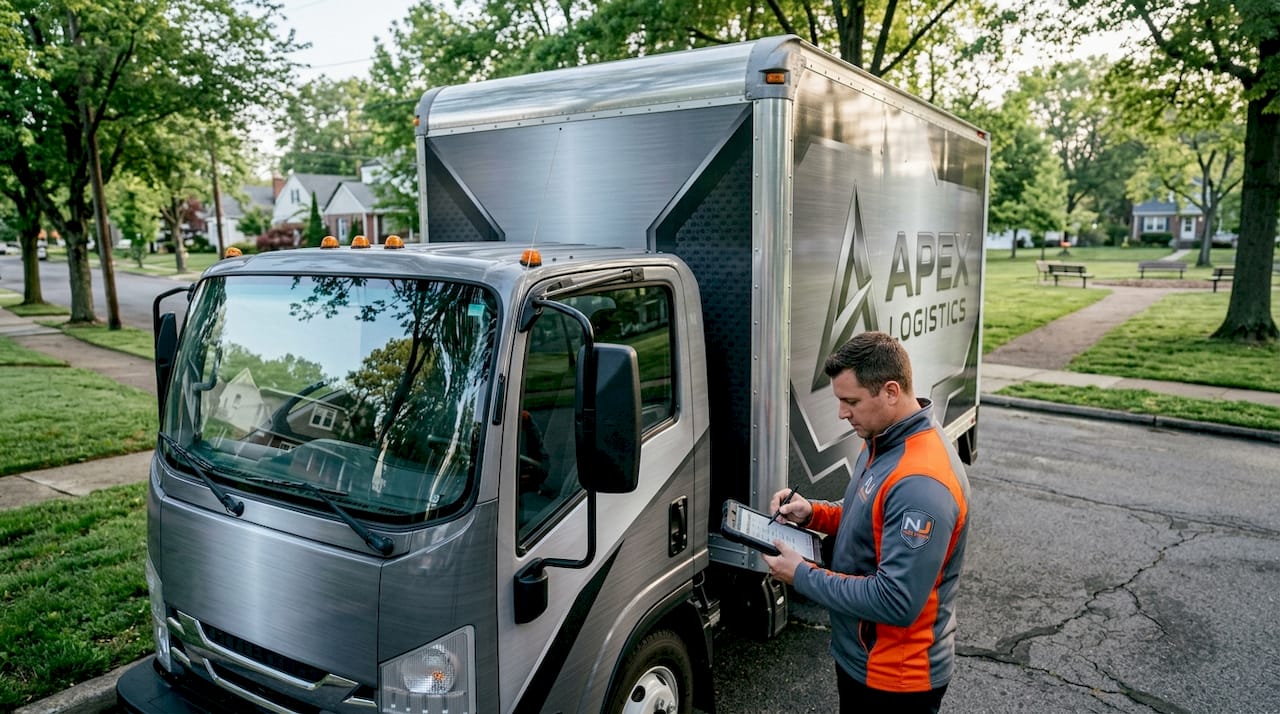
Vehicle wraps are thin vinyl films applied directly over factory paint to shield commercial vehicles from UV rays, light scratches, bird droppings, and environmental contamination. For fleet managers running vehicles across New Jersey roads year-round, understanding why use wrap for protection goes beyond aesthetics. Vinyl wrapping preserves the original paint, maintains resale value, and gives every truck or van in your fleet a consistent, professional appearance. The decision between wrapping and leaving paint exposed is not just cosmetic. It is a maintenance and asset management decision with real financial consequences.
Why use wrap for protection on commercial fleet vehicles
Vinyl wraps function as a physical barrier between your factory paint and the outside world. Properly installed wraps protect against everyday environmental and minor abrasion damage, including UV fading, light surface scratches, tree sap, and bird droppings. That matters enormously for commercial fleets, where vehicles accumulate road exposure daily and paint degradation translates directly into lower resale values and higher reconditioning costs.
The protection mechanism is straightforward. The vinyl film absorbs the impact of minor surface contact and UV radiation before either reaches the paint underneath. Sun exposure is one of the most underestimated threats to fleet vehicles. Prolonged UV exposure oxidizes clear coat and fades color, particularly on vehicles parked outdoors between shifts. A quality vinyl wrap rated for exterior use blocks a significant portion of that UV load, slowing the degradation process considerably.
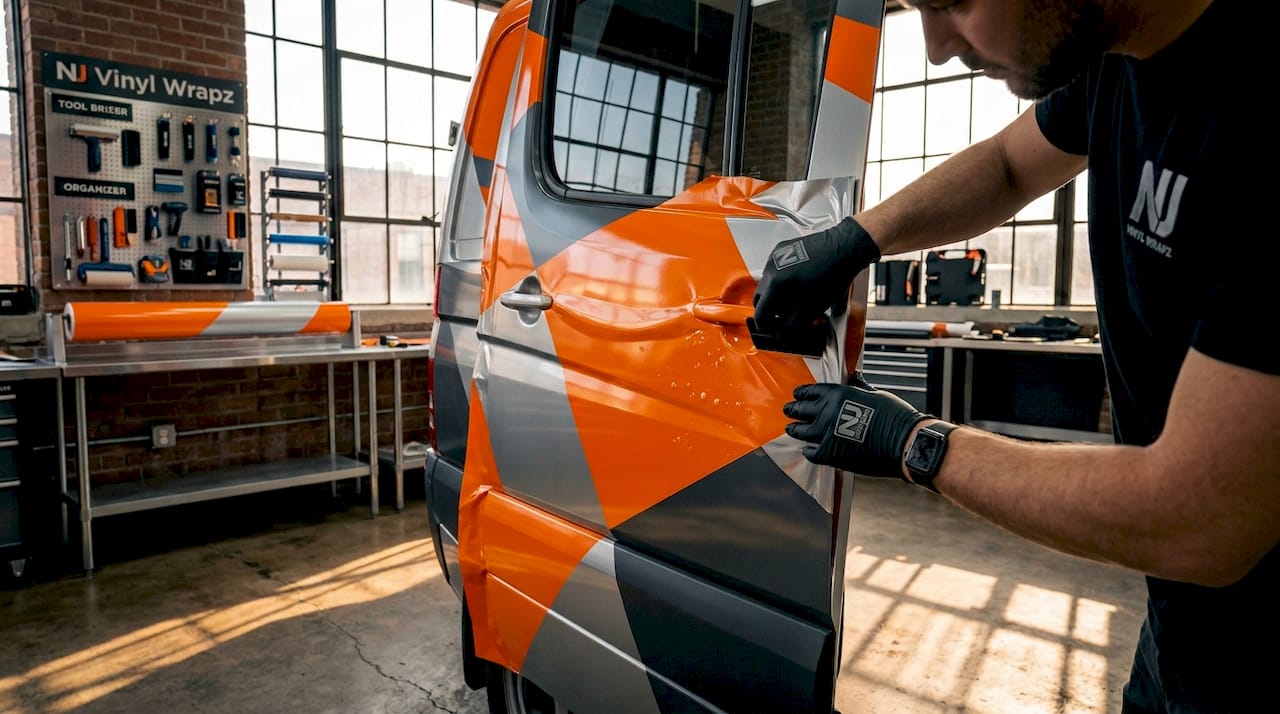
Wraps also create a barrier against chemical contamination. Road salt, industrial fallout, and acidic bird droppings all attack clear coat over time. The vinyl layer takes that punishment instead of the paint. When the wrap eventually reaches the end of its service life, the paint underneath is typically in far better condition than an unwrapped vehicle of the same age.
The benefits of protective wrapping extend to daily operational wear. Delivery vans and service trucks accumulate minor scuffs from loading docks, parking lots, and brush contact. A wrap absorbs those micro-abrasions without leaving permanent marks on the factory finish.
- UV ray blocking to prevent paint oxidation and color fading
- Physical barrier against light scratches, scuffs, and surface abrasion
- Protection from bird droppings, tree sap, and road salt contamination
- Preservation of factory paint condition to support higher resale value
- Flexible removal without damaging the original finish underneath
Pro Tip: Apply a ceramic or polymer topcoat after wrap installation. Ceramic coatings on wraps improve UV resistance, make cleaning faster, and slow vinyl degradation, extending the protective life of the wrap by a meaningful margin.
How do vinyl wraps compare to paint protection film?
Fleet managers frequently ask whether vinyl wraps or paint protection film (PPF) deliver better protection. The honest answer is that they serve different purposes, and confusing the two leads to mismatched expectations and wasted spending.
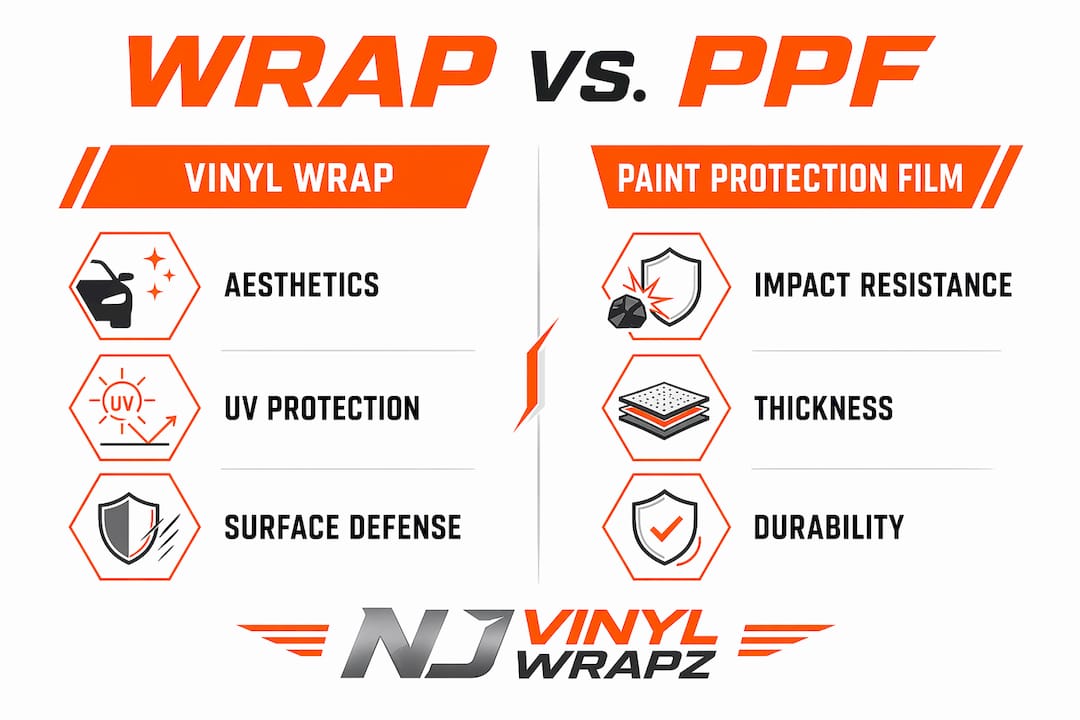
PPF is a urethane-based film engineered specifically for impact resistance. PPF thickness runs around 8 mil, compared to vinyl wraps at approximately 3 to 4 mil. That thickness difference is not cosmetic. It translates directly into PPF’s ability to absorb rock chips, deep scratches, and road debris impacts that would cut straight through a vinyl wrap. PPF also carries self-healing properties in most premium grades, where minor surface scratches disappear with heat exposure.
Vinyl wraps, by contrast, provide a light defense against minor surface scratches and UV exposure. They are not designed to stop a rock chip traveling at highway speed. What they do exceptionally well is protect against the slow, cumulative damage of UV rays, environmental fallout, and minor surface contact while simultaneously delivering full color change and branding capability. PPF is optically clear in its standard form, so it protects without changing the vehicle’s appearance.
The table below lays out the key differences for fleet decision-making.
| Feature | Vinyl Wrap | Paint Protection Film (PPF) |
|---|---|---|
| Primary purpose | Aesthetics and UV/surface protection | Impact and abrasion resistance |
| Thickness | 3 to 4 mil | ~8 mil |
| Rock chip resistance | Low | High |
| Color change capability | Yes, full range | No (clear only, standard) |
| Self-healing properties | No | Yes (premium grades) |
| Typical service life | 5 to 7 years | 7 to 10 years |
| Best use case | Full fleet branding with paint protection | High-impact zones on individual vehicles |
Matching the protection material to your fleet’s actual risk profile is the deciding factor. A fleet of delivery vans operating in urban environments faces mostly UV exposure, parking lot scuffs, and chemical contamination. Vinyl wraps handle that well. A fleet of trucks driving highway miles through construction zones faces rock chip and debris impact. Those vehicles need PPF on high-exposure areas.
What practical advantages do wraps offer fleet managers?
The advantages of using wrap go well beyond paint protection. For commercial fleet operators, wraps deliver operational and financial benefits that compound over the vehicle’s service life.
Fleet branding is the most visible benefit. Every wrapped vehicle becomes a moving advertisement, displaying your company name, logo, and contact information to thousands of potential customers daily. Consistent branding across a fleet of five, twenty, or fifty vehicles projects professionalism and builds brand recognition in your service area. Wraps preserve factory paint condition and allow cost-effective visual refreshes, so rebranding the fleet does not require a full repaint.
Resale value is a direct financial argument for wrapping. Fleet vehicles that go to auction or secondary sale with clean, undamaged factory paint command higher prices. A wrap that costs a fraction of a repaint can protect that paint for five to seven years, preserving the asset’s value at disposal. For fleets cycling vehicles every three to five years, that math is straightforward.
Flexibility is another underappreciated advantage. Paint is permanent. A wrap is not. If your company rebrands, acquires a new client with specific vehicle livery requirements, or simply wants to update the fleet’s look, a wrap can be removed and replaced without touching the original paint. That flexibility has real dollar value for businesses that operate in dynamic markets.
Maintenance is also simpler than most fleet managers expect. Wrapped vehicles clean faster than bare paint because the vinyl surface resists bonding with road grime. Using wrap-safe cleaning products keeps the film in good condition and maintains the protective barrier. Avoiding high-pressure washing directly at seams and edges prevents premature lifting. You can learn more about day-to-day care in this guide on protecting vinyl wraps from Njvinylwrapz.
- Turns every vehicle into a branded advertising asset at no additional media cost
- Protects factory paint to support stronger resale or trade-in values
- Allows full rebrand or livery update without repainting
- Reduces long-term reconditioning costs at fleet disposal
- Simplifies routine cleaning with wrap-safe products and techniques
How to select the right wrap materials and protection strategy
Choosing wrap materials for protection requires matching film quality to your fleet’s operating environment. Not all vinyl is equal. Premium cast vinyl films from manufacturers like 3M and Avery Dennison conform better to complex vehicle curves, resist UV degradation longer, and maintain adhesion through temperature extremes. Calendered vinyl is less expensive but thicker and less conformable, making it better suited to flat or simple panel surfaces rather than full vehicle wraps.
The most effective protection strategy for high-mileage commercial fleets combines PPF and vinyl wraps. Many commercial vehicle owners apply PPF on front bumpers, hoods, and mirror caps where rock chip and debris impact is highest, then cover the remaining surfaces with a full vinyl wrap for branding and UV protection. This layered approach maximizes both impact resistance and visual coverage without paying for full-vehicle PPF, which carries a significantly higher cost.
Before wrapping any vehicle, assess the condition of the existing paint. Wraps do not fix damaged paint. They conform to the surface underneath, so bubbles, rust, or peeling clear coat will telegraph through the film and compromise both appearance and adhesion. Vehicles with significant paint damage should be corrected before wrapping, or the wrap’s protective function is undermined from day one.
Pro Tip: Inspect paint under direct lighting before scheduling any wrap installation. Surface defects invisible in shade become obvious under a wrap. Addressing them first protects your investment and the vehicle’s resale value.
Common mistakes fleet managers make when using wraps for protection include:
- Choosing low-cost calendered vinyl for curved or complex body panels
- Skipping ceramic topcoats, which significantly extend wrap life and UV resistance
- Using automated car washes with brushes, which lift wrap edges and cause premature failure
- Wrapping over damaged or contaminated paint, which causes adhesion failure within months
- Ignoring high-impact zones that need PPF rather than vinyl wrap alone
The exterior detailing practices that work for bare paint apply to wrapped vehicles too. Regular washing, avoiding harsh chemicals, and periodic inspection of seams and edges keep the wrap performing as intended throughout its service life.
Key takeaways
Vinyl wraps protect commercial vehicle paint from UV rays, environmental contamination, and minor surface damage while delivering branding value that bare paint cannot match.
| Point | Details |
|---|---|
| Wraps shield factory paint | Vinyl film blocks UV rays, bird droppings, tree sap, and minor scuffs before they reach the paint. |
| PPF handles high-impact zones | At 8 mil thickness, PPF stops rock chips and deep scratches where vinyl wraps cannot. |
| Combining both maximizes protection | Apply PPF on front panels and vinyl wrap on remaining surfaces for full coverage at lower cost. |
| Paint condition matters before wrapping | Damaged or contaminated paint compromises wrap adhesion and undermines the protective function. |
| Wraps preserve resale value | Factory paint kept clean under a wrap for five to seven years commands higher prices at fleet disposal. |
What I’ve learned from years of fleet wrap decisions
After working with commercial fleet operators across New Jersey for over a decade, the most consistent mistake I see is treating wraps as either purely decorative or as a substitute for PPF. They are neither. A vinyl wrap is a protective and branding tool with a specific performance envelope, and fleet managers who understand that envelope get far more value from their investment.
The fleets that get this right do two things consistently. They match the material to the risk. Urban delivery fleets get full vinyl wraps with ceramic topcoats. Highway-heavy trucks get PPF on the front third and vinyl everywhere else. And they maintain the wraps properly. A quality 3M or Avery film installed by a certified shop and maintained with wrap-safe products will extend vehicle life and look sharp for five to seven years. A cheap film installed poorly and run through automated car washes will fail in eighteen months and leave adhesive residue on the paint underneath.
The cost-versus-benefit case for wrapping commercial fleets is not close. The branding exposure alone justifies the investment for most businesses. The paint protection and resale value preservation are what I’d call a strong secondary return. What I tell every fleet manager who asks: wrap your vehicles, choose quality materials, maintain them correctly, and add PPF where the risk profile demands it. That combination delivers the best protection outcome at a cost that makes sense for a working fleet.
— Krunal
Protect your fleet with Njvinylwrapz
Njvinylwrapz has spent over 10 years wrapping commercial fleets across New Jersey using premium materials from 3M and Avery Dennison, installed in climate-controlled facilities by certified technicians. Whether your fleet needs full vinyl wraps for branding and UV protection, targeted paint protection film for high-impact areas, or a combined strategy that covers both, Njvinylwrapz builds the solution around your vehicles and your operating environment. Explore the full range of commercial fleet wraps or contact the team directly for a tailored assessment of your fleet’s protection needs.
FAQ
What does a vinyl wrap actually protect against?
Vinyl wraps protect factory paint from UV rays, light surface scratches, bird droppings, tree sap, road salt, and minor chemical contamination. They are not designed to stop rock chips or deep impact damage.
How long does wrap protection last on a fleet vehicle?
Quality vinyl wraps maintain durability for 5 to 7 years when installed correctly and maintained with wrap-safe cleaning products. Improper care or chemical exposure shortens that lifespan significantly.
Is wrap effective for safeguarding paint on high-mileage trucks?
Wrap is effective for UV and environmental protection on high-mileage trucks, but front-facing panels on highway vehicles benefit from adding PPF. Combining PPF on high-impact zones with vinyl wrap on remaining surfaces gives the best overall result.
Can a wrap be removed without damaging the original paint?
Yes. Wraps are designed to be removable, and when installed over paint in good condition, removal leaves the factory finish intact. This is one of the key advantages of using wrap over permanent paint changes for fleet vehicles.
Do wraps require special maintenance to keep protecting the paint?
Wrapped vehicles should be hand-washed with wrap-safe, pH-neutral cleaners and kept away from automated brush car washes. Adding a ceramic topcoat after installation further improves UV resistance and makes routine cleaning faster and more effective.