
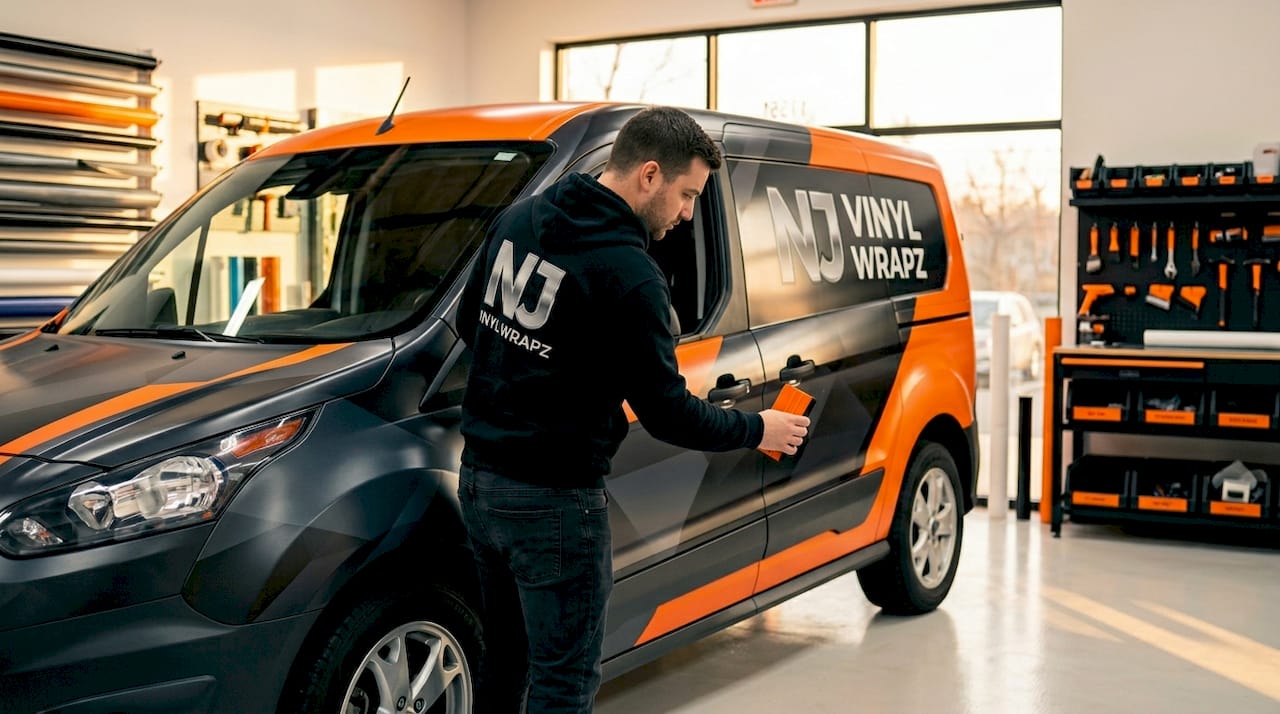
3M wrap materials are premium-grade vinyl films engineered specifically for vehicle wraps, combining proprietary adhesive technology with cast film construction to deliver superior durability, color accuracy, and paint protection. For business owners and fleet managers asking why use 3M wrap materials over cheaper alternatives, the answer comes down to three measurable advantages: longer service life, cleaner removals, and a finish that holds up under real-world commercial conditions. The 3M 2080 Series and 3M Protection Wrap Film are the two product lines most relevant to fleet branding, and both set the benchmark that the rest of the industry measures against.
Why use 3M wrap materials for branding and customization
The single biggest reason fleet managers choose 3M wraps is design flexibility without compromise on finish quality. The 3M 2080 Series is a multi-layer cast vinyl film offering nearly 100 colors and finishes including gloss, matte, satin, carbon fiber, and chrome. That range means your fleet vehicles can match brand color standards precisely, not approximately.
Two proprietary technologies make 3M’s installation results noticeably better than generic vinyl films:
- 3M Controltac technology allows the film to be repositioned during installation without activating the adhesive prematurely. This matters on large panels where alignment errors are costly.
- 3M Comply technology builds microscopic air-release channels into the adhesive layer. Installers can squeegee out air bubbles cleanly, producing a flat, paint-like finish even on complex curves.
- Finish variety extends beyond color. 3M films replicate brushed aluminum, matte rubber, and high-gloss lacquer textures, giving your vehicles a custom appearance that paint cannot match at the same cost.
- Partial and full wrap compatibility means you can brand a door panel, a hood, or an entire van with the same material and achieve consistent results across your fleet.
For businesses running five or more vehicles, visual consistency across the fleet is a direct signal of operational professionalism. 3M’s color-matched finishes make that consistency achievable without custom paint mixing or vehicle-by-vehicle variation. You can read more about fleet branding impact to see how this translates into measurable marketing returns.
How durable are 3M wrap materials compared to other vinyl films?
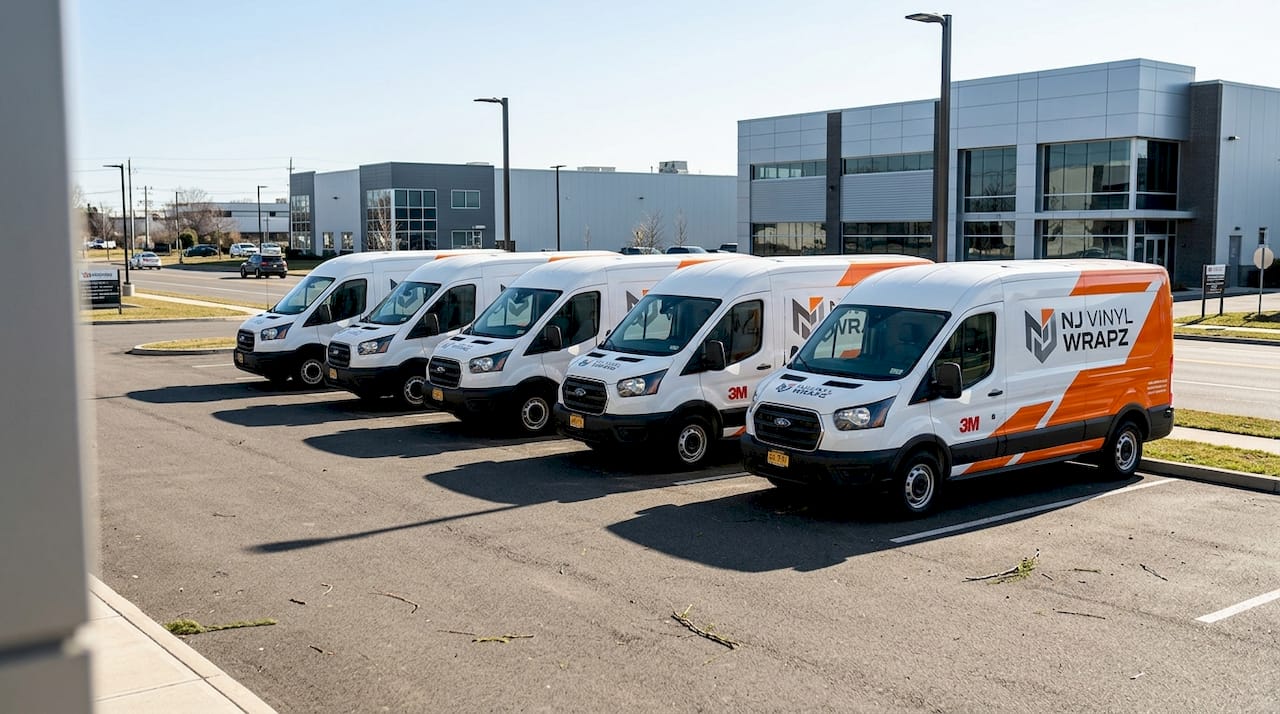
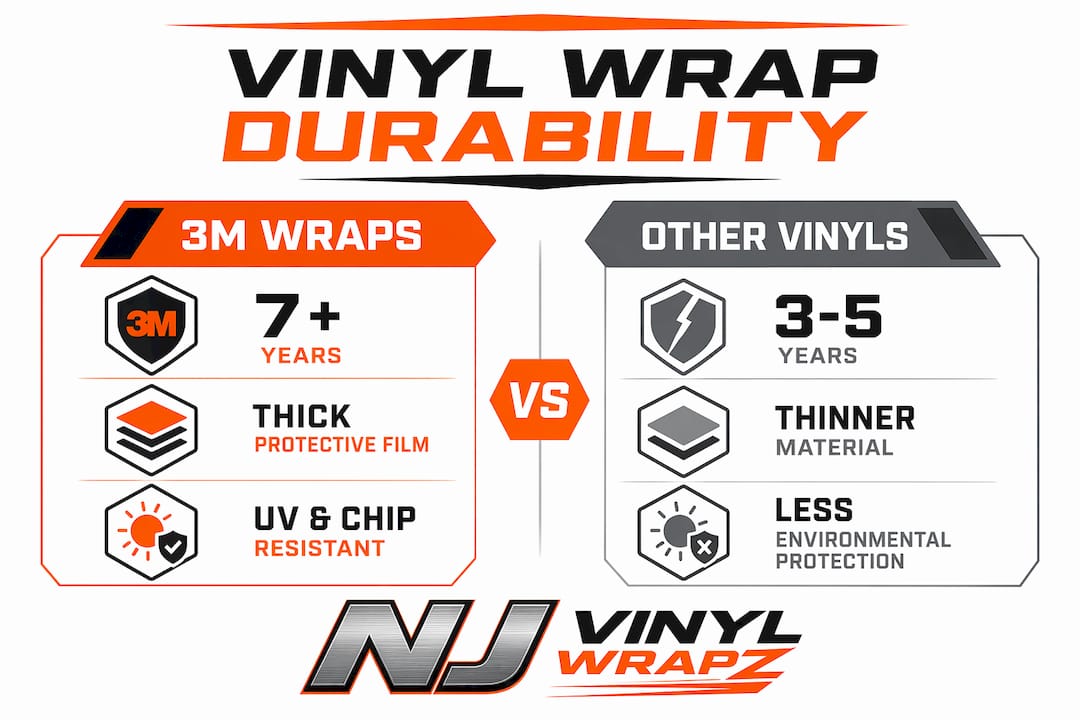
Durability is where the cost difference between 3M and budget vinyl films becomes concrete. Cast vinyl films like the 3M 2080 Series offer 7 or more years of outdoor durability on vertical surfaces with strong UV and color retention. Calendered vinyl films, the type used in most budget wraps, typically last 3 to 6 years before shrinking, lifting at edges, or fading visibly. That gap in lifespan means a fleet wrapped in 3M materials may go through one wrap cycle in the time a cheaper film requires two replacements.
The manufacturing process explains the performance difference. Cast vinyl is produced by spreading liquid PVC onto a casting sheet and curing it slowly, which locks in dimensional stability. Calendered vinyl is pressed through rollers under tension, which introduces internal stress that causes shrinkage over time, especially at edges and seams.
The 3M Protection Wrap Film adds another layer of capability. It is 70% thicker than typical vinyl films and incorporates self-healing scratch technology backed by a 10-year warranty. This product is particularly relevant for fleet vehicles that face daily wear from loading docks, parking lots, and highway debris.
| Feature | 3M 2080 Cast Vinyl | Calendered Vinyl | Traditional Paint |
|---|---|---|---|
| Outdoor durability | 7+ years | 3 to 6 years | 10+ years (with maintenance) |
| UV and color retention | Excellent | Moderate | Good with clear coat |
| Conformability on curves | High | Low to moderate | N/A |
| Removability | Clean, no paint damage | Risk of paint damage | Permanent |
| Self-healing protection | Available (Protection Wrap Film) | Not available | Not available |
| Warranty | Up to 10 years | Typically none | Varies by shop |
3M films also protect the factory paint underneath from fading, oxidation, stone chips, bird droppings, and environmental contaminants. When you remove the wrap at the end of a lease or before resale, the paint underneath looks the same as the day the wrap went on. That paint preservation directly supports vehicle resale value, which matters when you are managing a fleet of 10 or 20 vehicles.
Why professional installation and 3M certification matter
The material quality of 3M films only delivers its full benefit when installation follows 3M’s documented protocols. 3M-certified installers pass both written and hands-on tests, confirming they understand the material’s behavior and the preparation steps required to activate its engineered properties. Choosing a non-certified installer with premium material is like buying a high-performance engine and having it assembled by someone who has never read the manual.
The installation process for 3M wraps follows a specific sequence:
- Surface decontamination. The vehicle surface is cleaned with adhesive remover, foaming glass cleaner, and a clay bar to remove bonded contaminants that would prevent adhesion.
- Final surface preparation. A Surface Preparation System wipe-down removes any remaining residue and primes the surface for the film’s adhesive.
- Film application in a controlled environment. Dust, humidity, and temperature all affect adhesion. Climate-controlled installation bays are not optional for professional results.
- Heat activation at 200°F to 225°F. Post-heat at edges and seams to cure the adhesive fully and prevent lifting over time.
- Final inspection. Every panel is checked for bubbles, lifted edges, and alignment before the vehicle leaves the shop.
Pro Tip: Before your vehicle goes in for wrapping, address any paint defects. Scratches and orange peel texture can show through even premium 3M films, so paint condition directly affects the final aesthetic result.
Common failure modes in vehicle wraps, including edge lifting, bubbling, and premature peeling, almost always trace back to skipped preparation steps or incorrect heat application, not material failure. Working with a certified installer protects your investment and keeps your warranty intact.
How 3M wraps support fleet operations and reduce downtime
Fleet managers often overlook the operational advantages of wraps versus paint when calculating total cost. High-quality wraps reduce fleet downtime compared to repainting by allowing staggered installations and easier branding updates. A single vehicle can be wrapped and back on the road in one to two days, while a full repaint takes a vehicle out of service for a week or more.
The practical benefits for day-to-day fleet management include:
- Staggered scheduling. You can wrap vehicles one at a time without pulling your entire fleet off the road simultaneously.
- Partial updates. When your branding changes, you can replace a door graphic or a hood panel without rewrapping the entire vehicle.
- Lease flexibility. Wraps come off cleanly at lease end, leaving factory paint intact and avoiding costly paint restoration charges.
- Consistent brand appearance. Unlike paint that fades at different rates across vehicles, 3M films maintain color consistency across your fleet for the full service life.
- Lower maintenance burden. Wrapped surfaces are easier to clean than bare paint and resist minor abrasions that would require touch-up paint on an unwrapped vehicle.
Treating your fleet wrap program as a scheduled branding campaign rather than a one-time expense changes how you budget for it. Plan wrap cycles around vehicle lease terms and branding refresh schedules, and the cost per impression becomes one of the lowest in your marketing mix.
How do 3M wrap materials compare to alternatives in cost and value?
The upfront cost of 3M wrap materials is higher than budget vinyl films, and that gap is real. What the comparison misses is the total cost over the vehicle’s service life. A cheaper calendered film that needs replacement in three years costs more over six years than a 3M cast film that lasts the full period without lifting or fading.
The value calculation also includes risk. Budget films are more likely to damage paint on removal, particularly if they have been on the vehicle for more than two years. A single paint repair on a commercial van can cost more than the price difference between 3M and a generic film. 3M’s engineered adhesive releases cleanly, which is why professional wrap shops and fleet operators treat it as the lower-risk choice even at a higher material price.
3M’s brand reputation and warranty coverage add a layer of accountability that generic films cannot match. When a material failure occurs with a certified 3M installation, there is a documented warranty process. With a no-name film, the risk sits entirely with the buyer.
Pro Tip: When comparing wrap quotes, ask specifically whether the material is cast or calendered vinyl and whether the installer is 3M-certified. Those two questions will tell you more about long-term value than the price alone.
Key takeaways
3M wrap materials deliver superior fleet branding results because their cast vinyl construction, proprietary adhesive technologies, and certified installation protocols combine to produce longer service life, cleaner removals, and consistent visual quality that cheaper alternatives cannot match.
| Point | Details |
|---|---|
| Cast vinyl durability | 3M 2080 Series lasts 7+ years outdoors, outperforming calendered vinyl by several years. |
| Proprietary adhesive tech | Controltac and Comply technologies enable repositionable, bubble-free installation on complex vehicle surfaces. |
| Certified installation | 3M-certified installers follow documented prep and heat protocols that directly determine wrap longevity. |
| Paint protection value | 3M films preserve factory paint from UV, chips, and contaminants, protecting vehicle resale value. |
| Fleet operational efficiency | Staggered wrap schedules and easy partial updates reduce downtime compared to repainting. |
What I’ve learned after years of working with 3M wrap materials
After more than a decade of installing wraps on commercial fleets across New Jersey, the most consistent pattern I see is this: the material gets the credit when a wrap looks great, and the installer gets the blame when it fails. The reality is more nuanced.
3M films are genuinely better engineered than most alternatives. The Controltac adhesive alone saves hours of rework on large panel installations. But I have seen 3M wraps fail at the edges within 18 months because the installer skipped the clay bar step or applied the film in a cold, dusty garage. The material cannot compensate for a bad process.
The other thing I would push back on is the idea that 3M wraps are only worth it for large fleets. A single-vehicle business, a food truck, a contractor’s pickup, these vehicles benefit just as much from the paint protection and the clean removal at resale. The cost per year of a 3M wrap on one vehicle is often less than one touch-up paint job.
What I tell every fleet manager who asks me about 3M vehicle wraps is to stop thinking about the wrap as a cosmetic expense and start treating it as a scheduled asset protection program. Budget for it the same way you budget for tire rotations and oil changes. The vehicles that get wrapped on a consistent cycle always look better, hold their value longer, and generate more brand impressions per dollar than any other marketing channel a small business can access.
— Krunal
Get professional 3M wrap installation for your fleet
Njvinylwrapz installs 3M-certified vehicle wraps for commercial fleets and businesses across New Jersey, with over 10 years of experience and a climate-controlled installation facility. Whether you need a single vehicle or a full fleet refresh, the team uses 3M 2080 Series and Protection Wrap Film materials with documented installation protocols that protect your warranty and your paint. Explore full vehicle wrap services or review the full range of fleet wrap solutions to find the right fit for your business. Contact Njvinylwrapz to schedule a consultation and get a quote tailored to your fleet size and branding goals.
FAQ
What are 3M wrap materials made of?
3M wrap materials are cast vinyl films built from multiple layers of PVC, a color layer, and a proprietary adhesive system. The cast manufacturing process gives them dimensional stability and flexibility that pressed calendered films cannot replicate.
How long do 3M vinyl wraps last on a commercial vehicle?
The 3M 2080 Series lasts 7 or more years on vertical surfaces under normal conditions, with strong UV and color retention throughout. The 3M Protection Wrap Film carries a 10-year warranty and adds self-healing scratch protection for higher-wear applications.
Will 3M wraps damage my vehicle’s factory paint?
3M wrap films are engineered to remove cleanly without damaging factory paint when installed and removed correctly by a certified installer. The adhesive releases without leaving residue or pulling paint, which is a key advantage over cheaper calendered films.
Why does installer certification matter for 3M wraps?
3M-certified installers pass written and hands-on tests covering surface preparation, heat activation, and film handling. Skipping or rushing any preparation step, particularly the multi-stage cleaning process, is the leading cause of edge lifting and premature wrap failure regardless of material quality.
Is 3M wrap worth it for a small business with one or two vehicles?
Yes. The paint protection alone preserves resale value, and the clean removal at lease end avoids paint restoration costs that often exceed the price difference between 3M and budget films. For any vehicle used in customer-facing work, the professional finish also strengthens brand credibility.