
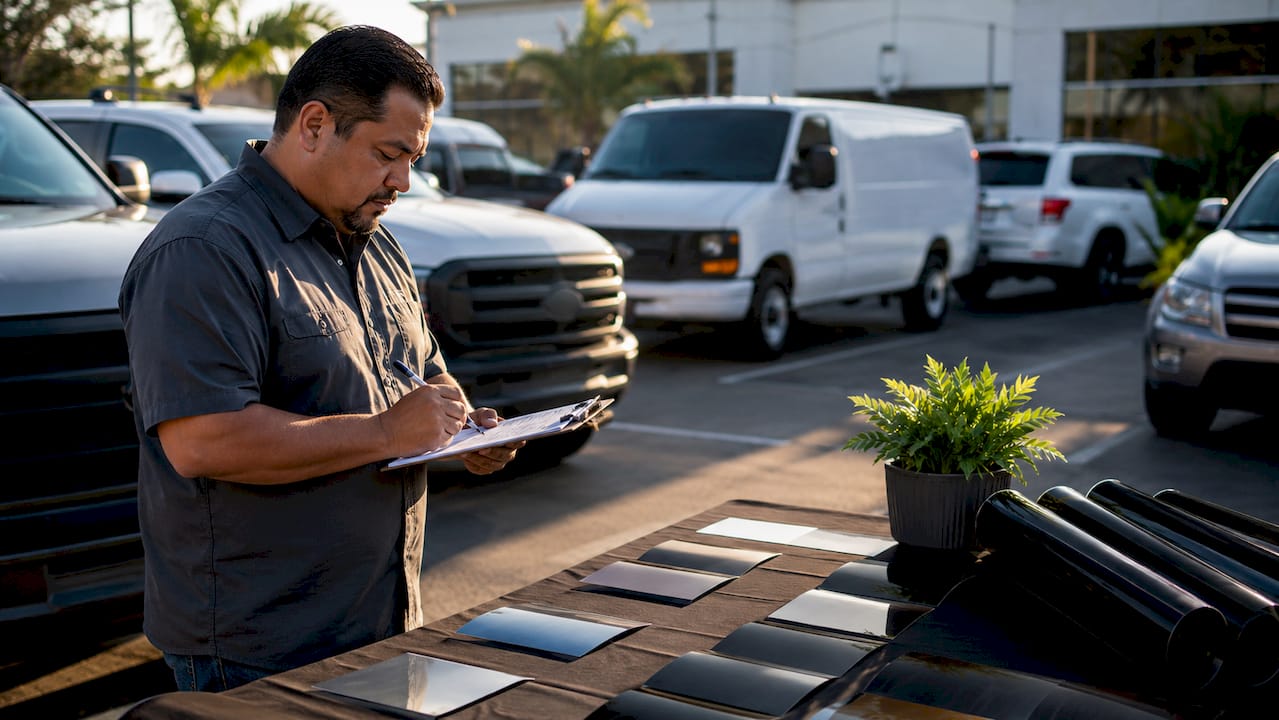
Window tinting for commercial vehicles is the practice of applying specialized solar control film to vehicle glass to reduce heat, block UV radiation, improve privacy, and protect interior materials. Fleet managers who understand why tint commercial vehicles decisions matter gain a measurable edge: lower fuel costs, healthier drivers, and better-protected assets across every vehicle in the fleet. The industry term for this practice is “commercial window film application,” and it covers everything from cargo vans and box trucks to service vehicles and company SUVs.
Why tint commercial vehicles: the core case
Fleet tinting is performance-driven rather than aesthetic. The decision to apply window film to a work vehicle touches fuel economy, driver health, cargo security, and even resale value. Most fleet managers who skip tinting are leaving measurable money on the table.
The benefits of tinting commercial vehicles break down into five categories: heat and glare reduction, UV protection, privacy and security, legal compliance, and film selection. Each one has a direct line to your operating budget or your drivers’ wellbeing. The sections below cover all five in depth.
How does window tinting reduce heat and driver fatigue?
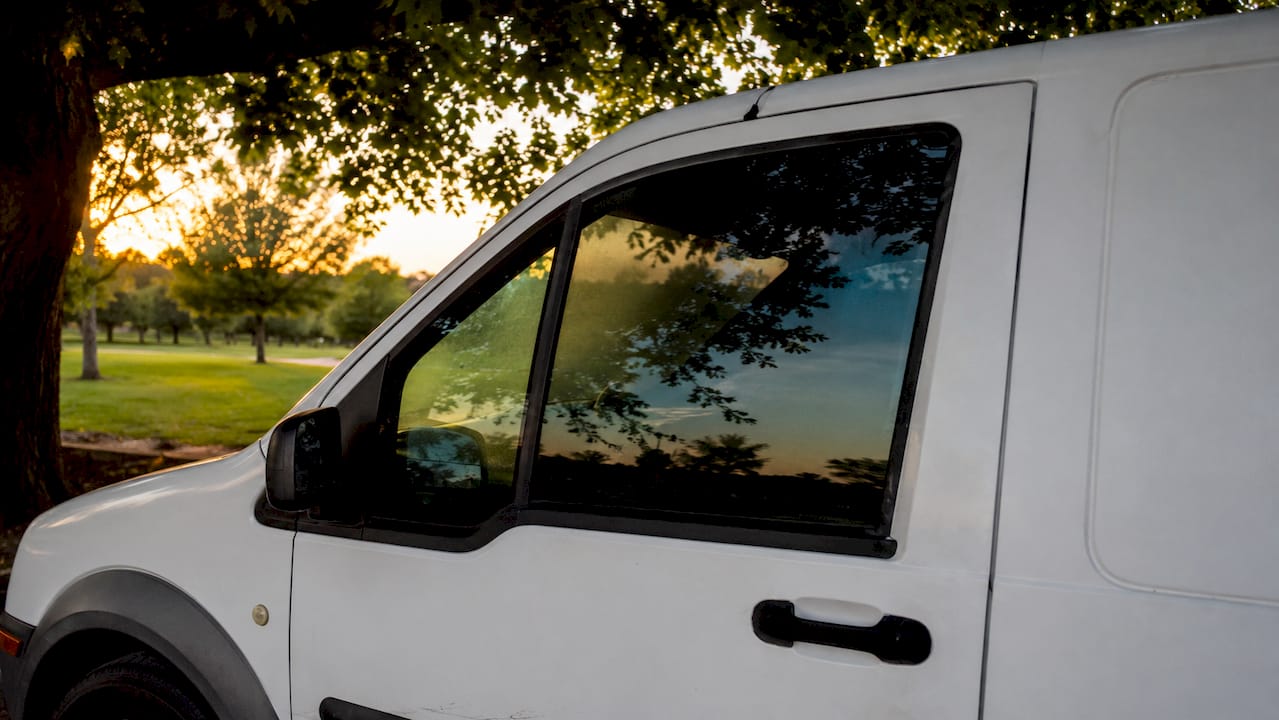
Quality window film reduces solar heat gain by 40 to 70%, depending on film type and vehicle glass. That figure translates directly into cooler cabins, less strain on the HVAC system, and drivers who arrive at job sites alert rather than drained.
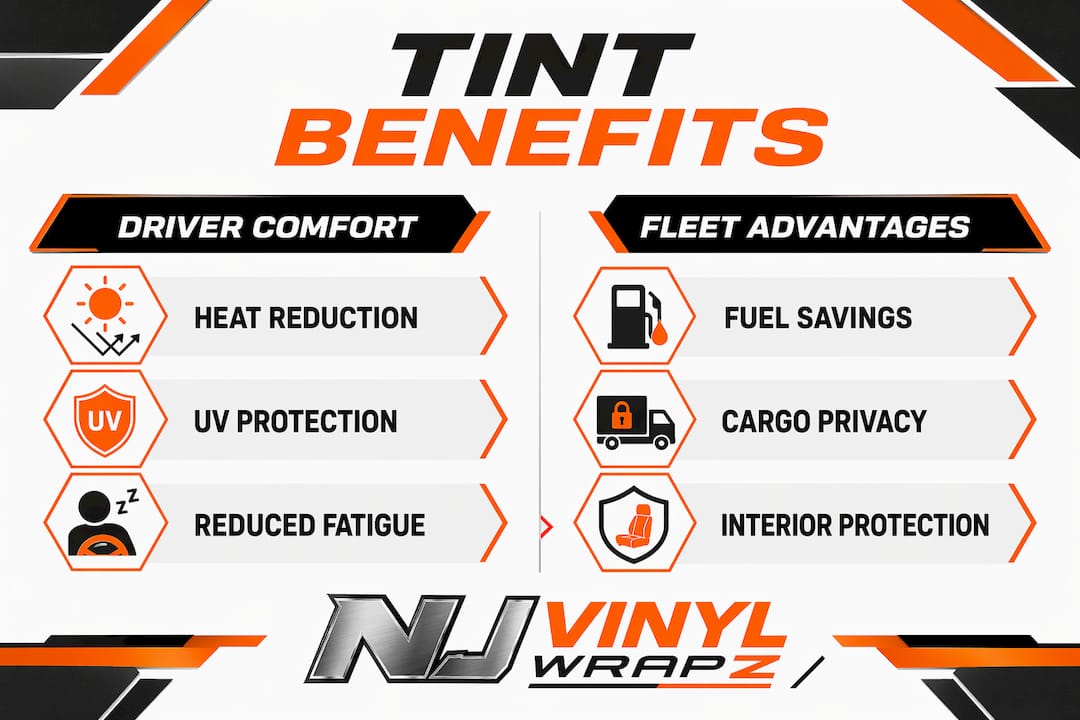
Cabin temperature drops of 15 to 25°F in direct sun are common with premium ceramic films. For a driver running eight-hour routes in New Jersey summers, that difference is the gap between sharp focus and heat-induced fatigue. Fatigue is a fleet liability, not just a comfort issue.
The fuel savings are real too. Reduced AC load cuts fuel use by approximately 3 to 4% for vehicles with high air conditioning demand. Across a fleet of 20 vehicles logging 30,000 miles per year each, that percentage adds up to a meaningful line item reduction.
Pro Tip: Ceramic films reject up to 85% of infrared radiation without requiring dark tint levels. This means you get maximum heat rejection on front windows while staying well within legal visible light transmission limits.
Key heat and comfort advantages for fleets:
- Cooler cabins reduce driver fatigue on long shifts
- Lower AC demand decreases fuel consumption per vehicle
- Reduced glare cuts eye strain, especially on east-west routes during morning and evening hours
- Consistent cabin temperature improves driver focus and reaction time
- Less HVAC cycling extends compressor life and reduces repair frequency
What UV protection does window film provide?
Quality films block up to 99% of UVA and UVB radiation regardless of tint darkness. This is one of the most misunderstood facts in fleet management. A nearly clear film can deliver the same UV protection as a dark one.
UV exposure causes dashboard cracking, upholstery fading, and degradation of electronics mounted near windows. Tinting slows interior deterioration and reduces the frequency of interior replacement and refurbishment. For a fleet vehicle expected to run five to seven years, that protection directly supports resale value.
Driver health is the less-discussed benefit. Drivers spending six or more hours daily behind the wheel accumulate significant UV exposure, particularly on the left arm and left side of the face. UV exposure is often asymmetric based on vehicle geometry and driver position, which means high-exposure windows deserve priority when selecting film. Protecting your drivers from cumulative UV damage is both an ethical responsibility and a workforce retention consideration.
UV protection benefits at a glance:
- Blocks up to 99% of UVA and UVB rays across all quality film types
- Prevents dashboard cracking and upholstery fading that accelerate interior aging
- Reduces driver skin exposure on high-UV windows like the driver’s door glass
- Preserves electronics and display screens mounted near glass
- Supports higher resale values by maintaining interior condition over time
You can learn more about how interior condition affects vehicle value over a vehicle’s lifespan.
How does tinting improve cargo security and privacy?
Darker tint on rear and cargo windows conceals valuable equipment, reducing the visibility that makes opportunistic theft possible. A thief who cannot see tools, inventory, or electronics through a cargo window is far less likely to target that vehicle.
The strategic approach for commercial fleets follows a clear logic:
- Apply darker film to rear and cargo area windows where driver visibility is not a safety factor.
- Keep front windows at or above the legal visible light transmission minimum to maintain driver sightlines.
- Use medium-shade film on rear passenger windows to balance privacy with compliance.
- Document the VLT percentage of each film applied to each window position for compliance records.
- Review film placement against your state’s specific regulations before installation begins.
Tinting rear cargo windows selectively increases security without compromising driver visibility or safety. This zoned approach is standard practice for service vans, delivery trucks, and utility vehicles carrying high-value equipment. It also deters vandalism, since vehicles with visible contents are more frequently targeted than those with obscured interiors.
What are the legal limits for commercial vehicle window tint?
Most states require a minimum of 70% visible light transmission on front windows, meaning the glass must allow at least 70% of light to pass through. Rear and cargo area windows typically allow much darker tint, often with no specified minimum in many states.
The table below summarizes typical regulatory categories fleet managers encounter:
| Window position | Typical VLT requirement | Common film options |
|---|---|---|
| Windshield (above AS-1 line) | Non-reflective tint only | Clear UV film, light ceramic |
| Front side windows | 70% VLT minimum (most states) | Light ceramic, clear UV film |
| Rear side windows | 35% or darker allowed in many states | Carbon, ceramic, dyed film |
| Rear window | Often no minimum specified | Any film type |
| Cargo area windows | Typically unrestricted | Dark ceramic or carbon film |
One critical distinction: darker tint does not automatically mean better cooling. Infrared rejection and visible light transmission are separate specifications. A light ceramic film can outperform a dark dyed film on heat rejection while staying fully legal on front windows. Fleet managers who shop by darkness level alone consistently underperform on both compliance and comfort.
Fleet tinting decisions prioritize durability and compliance to avoid repeated installations and enforcement issues. Verify your state’s specific VLT limits before ordering film for your fleet, and always request the film’s performance specification sheet from your installer.
How to choose the right window film for your commercial fleet
Film selection is where most fleet managers either capture the full return on investment or waste money on underperforming products. Three film categories dominate the commercial market: dyed, carbon, and ceramic.
| Film type | Heat rejection | UV protection | Durability | Best use case |
|---|---|---|---|---|
| Dyed film | Low to moderate | Good | Lower, fades over time | Budget applications, low-heat climates |
| Carbon film | Moderate to good | Excellent | Good, stable color | Rear windows, moderate climates |
| Ceramic film | Excellent (up to 85% IR) | Excellent | Highest, no fading | Front windows, high-heat climates, full fleet |
Ceramic film is the clear choice for front windows on commercial fleets. It delivers maximum infrared rejection while maintaining the high VLT percentages required by law. Carbon film is a cost-effective option for rear and cargo windows where darker tint is permitted and heat rejection is secondary to privacy.
Professional installation matters more than most fleet managers realize. Consistent tint shade across an entire fleet requires precise film cutting, climate-controlled application, and matched product batches. A fleet where half the vehicles have slightly different tint shades looks unprofessional and undermines the brand consistency that fleet vehicle branding depends on.
Pro Tip: Request that your installer documents the film brand, product line, and VLT percentage for every window on every vehicle. This record protects you during roadside inspections and simplifies reorders when vehicles need replacement glass.
The long-term ROI calculation for ceramic film is straightforward. Higher upfront cost is offset by longer film life, no fading or delamination, better fuel savings from superior heat rejection, and reduced interior replacement costs. For fleets running vehicles five years or more, ceramic film consistently outperforms cheaper alternatives on total cost of ownership. You can explore how signage and film choices interact with legal visibility requirements when planning a full fleet upgrade.
Key takeaways
Commercial vehicle window tinting delivers measurable ROI through fuel savings, interior protection, driver health benefits, and cargo security when the right film is matched to each window position.
| Point | Details |
|---|---|
| Heat reduction saves fuel | Films cut solar heat gain by 40 to 70%, reducing AC load and fuel use by roughly 3 to 4%. |
| UV protection is film-independent | Quality films block up to 99% of UV rays regardless of tint darkness, protecting drivers and interiors. |
| Zoned tinting maximizes security | Dark film on cargo windows deters theft while light film on front windows maintains legal compliance. |
| Ceramic film leads on ROI | Ceramic films reject up to 85% of infrared heat without dark coloration, making them ideal for front windows. |
| Compliance requires documentation | Front windows must meet 70% VLT minimums in most states; always record film specs per vehicle. |
The investment most fleet managers underestimate
I’ve worked with fleet managers who treat window tinting as a cosmetic add-on, something to consider after the wraps are done and the budget is nearly spent. That framing costs them real money every year.
The operational value of quality window film shows up in places that don’t appear on a single invoice. Driver retention improves when people aren’t baking in their vehicles during summer routes. Fuel costs drop quietly across the fleet. Interior refurbishment cycles stretch from three years to five. None of these savings generate a single line item that says “tinting ROI,” which is exactly why they get overlooked.
The mistake I see most often is choosing film by darkness level rather than performance specifications. A fleet manager picks a 35% tint because it looks serious, then installs it on front windows and immediately faces compliance issues. Meanwhile, a properly specified ceramic film at 70% VLT would have delivered better heat rejection and zero legal exposure.
My recommendation: treat tinting as part of your fleet maintenance and branding strategy from day one, not as an afterthought. Pair it with your fleet wrap program so every vehicle presents a consistent, professional appearance. And always prioritize film performance specs over aesthetics. The numbers will justify the investment every time.
— Krunal
Ready to tint your commercial fleet the right way?
Njvinylwrapz brings over 10 years of commercial fleet experience to every window tinting project across New Jersey. The team works with 3M and Avery-certified films, installs in climate-controlled facilities, and documents every film specification per vehicle so your fleet stays compliant and consistent.
Whether you’re tinting a single service van or a 50-vehicle delivery fleet, Njvinylwrapz matches the right film to each window position, handles compliance documentation, and delivers a uniform look across every unit. Explore commercial window tinting services or pair your tint project with a full fleet wrap package for complete vehicle branding. Contact Njvinylwrapz today to get a fleet tinting quote.
FAQ
How much does commercial vehicle window tinting cost?
Commercial window tinting costs vary by film type, vehicle size, and number of windows. Ceramic film installations for a full-size van typically run higher than dyed or carbon options, but the longer lifespan and fuel savings offset the difference over a standard fleet vehicle lifecycle.
Does window tint actually reduce fuel costs for fleets?
Yes. Reduced AC load from tinting cuts fuel use by approximately 3 to 4% for vehicles with high air conditioning demand. Across a large fleet, that percentage represents a meaningful annual reduction in operating costs.
What window tint is legal on commercial vehicle front windows?
Most states require a minimum of 70% visible light transmission on front side windows. Rear and cargo windows typically allow much darker film. Always verify your state’s specific regulations and request the film’s VLT certification from your installer.
Is ceramic film worth the extra cost for fleet vehicles?
Ceramic film rejects up to 85% of infrared radiation without requiring dark tint, making it the best option for front windows where legal VLT limits apply. For fleets running vehicles five or more years, the durability and performance advantages make ceramic film the strongest total-cost choice.
Can window tinting help protect cargo in service vans?
Darker film on rear and cargo windows conceals tools and inventory from outside view, directly reducing opportunistic theft risk. A zoned approach, with darker film on cargo windows and lighter film on front windows, balances security with driver visibility and legal compliance.