
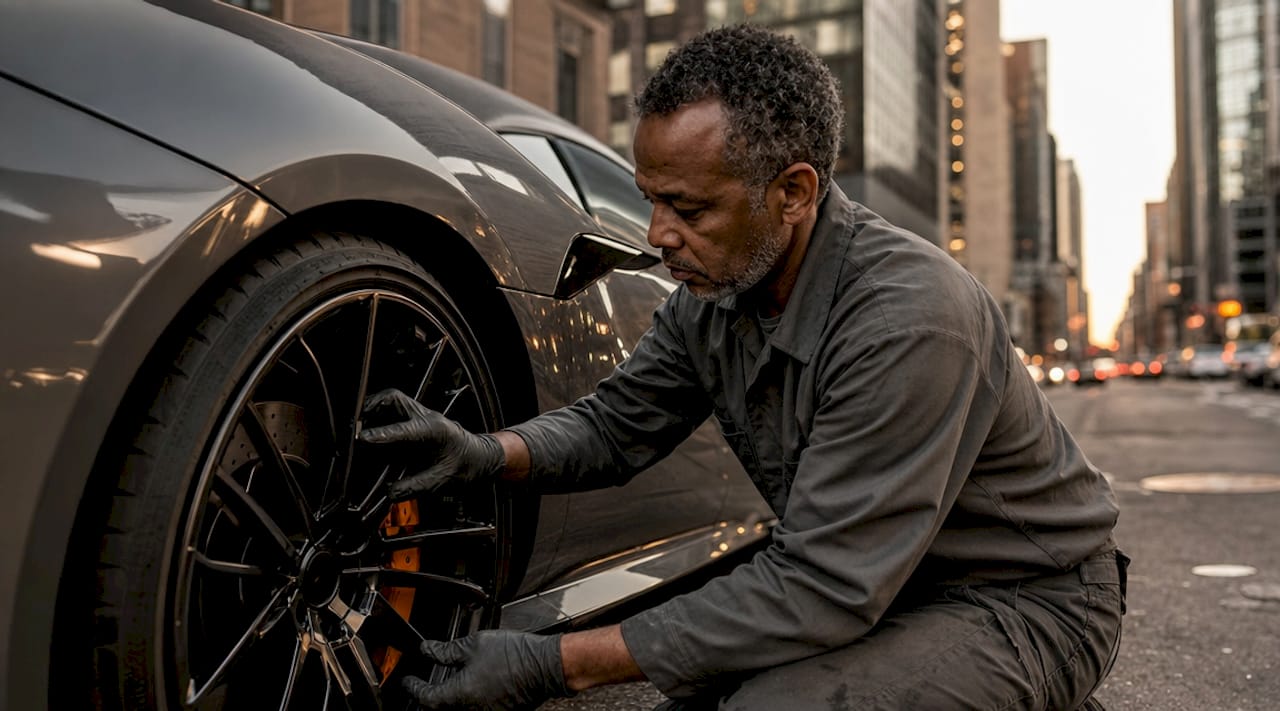
Personal vehicle customization is the practice of modifying a car’s appearance, performance, or protection to reflect the owner’s identity and improve their driving experience. It covers everything from a $25 LED strip under your dashboard to a full color change wrap using 3M or Avery materials. Nearly 40% of car buyers under 35 prioritize customization options when purchasing new vehicles. That number tells you this is no longer a niche hobby. It is a mainstream expectation. Whether you are personalizing your ride for aesthetics, function, or protection, the options available in 2026 are broader and more accessible than ever before.
What is personal vehicle customization and why does it matter?
Personal vehicle customization is defined as any deliberate modification made to a vehicle beyond its factory configuration, spanning aesthetic upgrades, mechanical enhancements, and protective treatments. The industry term most professionals use is vehicle modification, though “customization” covers the full spectrum from cosmetic changes to performance builds. Customization reflects owner identity and community belonging, going beyond aesthetics to personal liberation and storytelling. That psychological dimension is what separates a wrapped car from a painted wall. Your vehicle moves through the world with you, broadcasting who you are.
The practical benefits are just as real. Well-chosen custom modifications can enhance comfort, driving dynamics, and sometimes resale value. A ceramic coating protects your paint from UV damage and chemical stains for years. A suspension upgrade changes how a car handles on a mountain road. These are not vanity projects. They are investments in the vehicle you depend on daily. Understanding the full range of options is the first step toward making smart choices about how to customize a car in a way that fits your goals and budget.
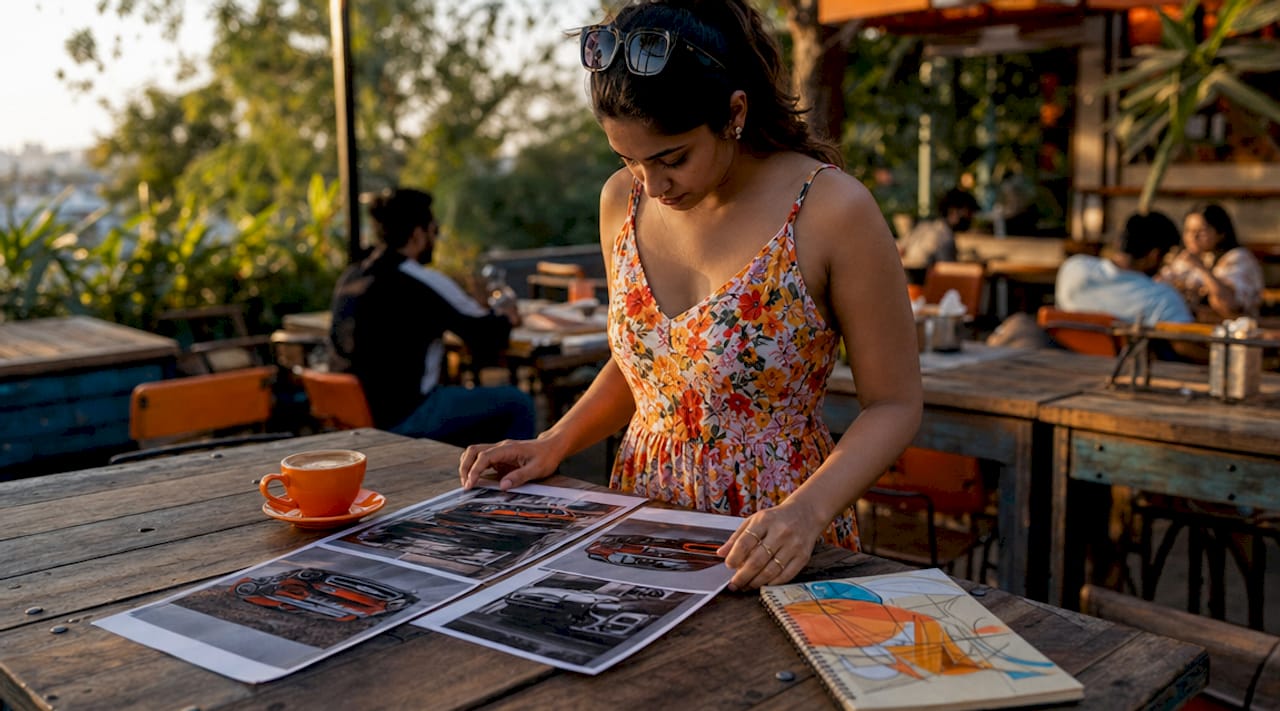
What types of personal vehicle customization are popular?
The four major categories of vehicle modification are exterior, interior, performance, and protective. Each serves a different purpose, and most enthusiasts mix across all four over time.
Exterior modifications are the most visible and often the first place owners start:
- Vinyl wraps and color change wraps using materials from 3M or Avery Dennison let you change your car’s entire color without touching the factory paint. Full wraps are reversible, which makes them ideal for leased vehicles.
- Window tinting reduces heat, glare, and UV exposure while adding a clean, finished look to any vehicle.
- Body kits and spoilers alter the vehicle’s aerodynamic profile and visual stance.
- Custom wheels and lowering springs change the car’s ride height and rolling appearance dramatically.
Interior upgrades focus on comfort and technology:
- Ambient lighting kits, custom upholstery, and aftermarket multimedia systems from brands like Alpine or Pioneer transform the cabin experience.
- Steering wheel wraps and shift knob replacements are low-cost, high-impact changes that improve daily tactile interaction with the car.
Performance enhancements go deeper into the vehicle’s mechanical systems:
- ECU tuning, cold air intakes, and cat-back exhaust systems improve horsepower and throttle response.
- Coilover suspension kits from brands like KW or Bilstein improve handling precision on both street and track.
- What is car tuning, exactly? It is the process of recalibrating a vehicle’s engine management software to extract more power or efficiency from the existing hardware.
Protective services are the most underrated category among new enthusiasts:
- Paint protection film (PPF) shields the front bumper, hood, and mirrors from rock chips and road debris.
- Ceramic coatings bond to the paint surface and create a hydrophobic layer that repels water, dirt, and UV rays for years.
Entry-level DIY customizations like window tint, LED interior lighting, and seat covers can cost less than $200. That means there is a real entry point for every budget, not just enthusiasts with a garage full of tools.
How can vehicle owners plan and budget their customization projects?
Treating customization as a staged project rather than a single event is the single most effective way to avoid budget burnout. Simple aesthetic swaps take hours; comprehensive wraps or performance builds take days or weeks. Knowing that upfront shapes how you sequence your upgrades.
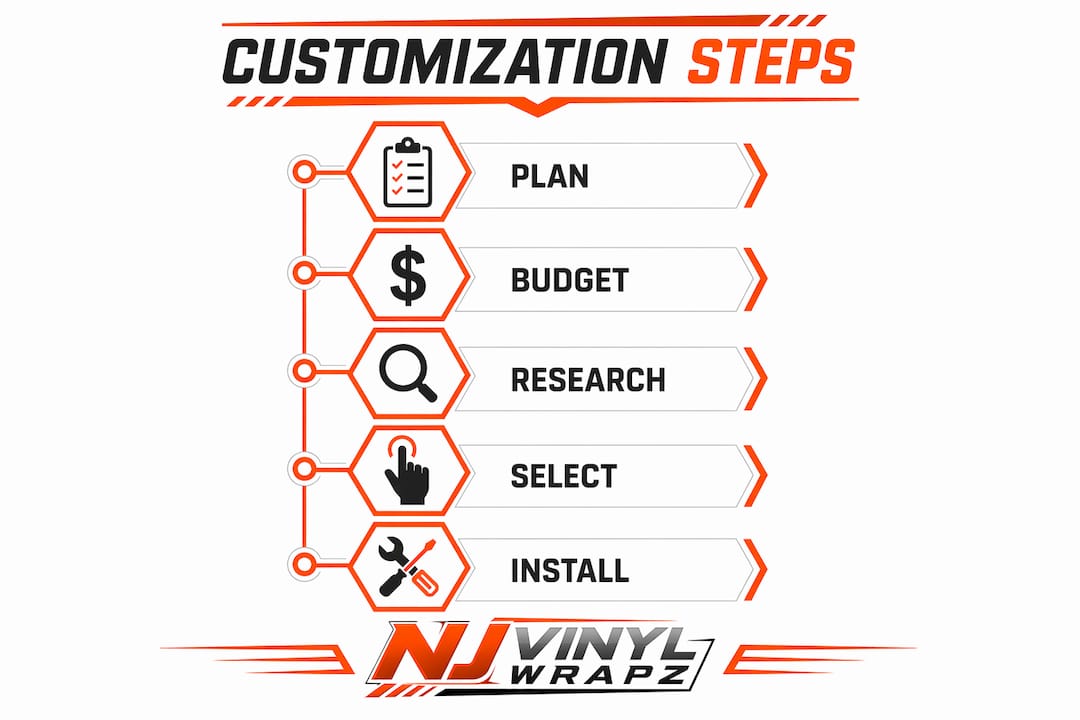
Follow these steps to plan your build effectively:
- Define your vision. Decide whether your primary goal is aesthetics, performance, protection, or a combination. Write it down. Vague goals lead to impulse purchases that do not work together.
- Set a realistic budget. Separate your total budget into tiers: what you will spend now, what you will save toward, and what is aspirational. License plate frames cost $15 to $60. A full vinyl wrap runs $2,000 to $5,000. Ceramic coating starts around $500. Knowing these ranges prevents sticker shock.
- Research local legal restrictions. Window tint percentages, lighting colors, and exhaust noise levels are all regulated at the state level. Check your state’s DMV guidelines before purchasing any modification.
- Sequence your upgrades logically. Do protective work like PPF and ceramic coating before aesthetic changes. Wrapping a car with damaged paint produces a poor result. Protect first, then style.
- Schedule professional installations strategically. Book complex work during periods when you have a backup vehicle or can arrange alternative transportation. Optimal timing and professional scheduling prevent installation delays and minimize impact on daily vehicle use.
Pro Tip: Start with one reversible modification, like a set of seat covers or plug-in LED strips, before committing to permanent changes. This gives you a feel for the process and helps you evaluate whether the result matches your vision before spending more.
What legal and safety considerations should you know before customizing?
Legal compliance is not optional in vehicle modification. Ignoring it creates real financial and legal risk.
Key regulations to verify before any modification:
- Window tint: Most states regulate the visible light transmission (VLT) percentage allowed on front side windows. New Jersey, for example, requires front side windows to allow more than 70% light transmission. Installing a darker tint can result in a fix-it ticket or failed inspection.
- Lighting colors: Forward-facing blue or red lights are often illegal because they mimic emergency vehicle signals. Underglow lighting is restricted in many states.
- Exhaust noise: Many municipalities enforce maximum decibel limits. A straight-pipe exhaust that sounds great on a track can earn you a noise violation on a public road.
- Lift kits and lowering springs: Extreme ride height changes can affect headlight aim and bumper height regulations.
Non-compliance consequences range from fines and required corrective action to failed safety inspections and, in serious cases, vehicle impoundment. If you drive a leased vehicle, unauthorized modifications can void your lease agreement and trigger end-of-lease penalties.
Pro Tip: For leased vehicles, stick to fully reversible modifications. Vinyl wraps, removable LED strips, and slip-on seat covers protect your lease return while still letting you personalize your ride.
The safest approach is to verify legality before purchasing any upgrade, not after installation. Your local DMV website and state vehicle code are the authoritative sources, not forum posts.
When should you choose professional installation over DIY?
The honest answer is: more often than most enthusiasts want to admit. DIY modifications carry real risk when they involve electrical systems, structural components, or materials that require controlled installation environments.
| Modification type | DIY viable? | Professional recommended? |
|---|---|---|
| Seat covers and floor mats | Yes | No |
| Plug-in LED interior lighting | Yes | No |
| Window tinting | Possible but difficult | Yes, for best results |
| Full vinyl wrap | No | Yes, always |
| Ceramic coating | No | Yes, requires surface prep |
| Paint protection film | No | Yes, requires precision cutting |
| ECU tuning | No | Yes, requires certified equipment |
| Suspension upgrade | Possible with tools | Yes, for alignment and safety |
Professional installations ensure safety, warranty protection, and compliance with regulations, especially for electrical or mechanical upgrades. A botched DIY wrap leaves air bubbles, lifted edges, and potential paint damage underneath. A poorly installed ceramic coating bonds unevenly and creates high spots that are expensive to correct. The cost of professional work is almost always lower than the cost of fixing a DIY mistake.
For services like professional wrap installation, climate-controlled facilities and trained technicians make a measurable difference in the final result. Materials like 3M and Avery Dennison perform as advertised only when applied correctly. The material is not the variable. The installation is.
What are the top trends shaping vehicle customization in 2026?
The customization space is moving fast. Several trends are redefining what is possible for individual vehicle owners this year.
- AI-assisted design and 3D-printed parts: Advanced vehicle customization now includes digital design, AI optimization, and 3D printing for bespoke components. Owners can visualize full builds digitally before spending a dollar on physical parts.
- Concierge-level personalization: Luxury brands like Cadillac offer concierge customization programs with over 350,000 trim combinations on models like the Celestiq. This level of professional-level customization involves close collaboration to navigate extensive trim, color, and material options within safety guidelines.
- Eco-conscious wrap materials: Manufacturers are releasing PVC-free and recyclable wrap films that deliver the same visual impact with a lower environmental footprint.
- Smart ambient lighting and connected interiors: RGB ambient lighting systems now sync with music, navigation alerts, and driving modes through apps. Brands like Govee and Philips Hue have moved from living rooms into vehicle cabins.
- Customization as community: Customization culture involves social gatherings, shared knowledge, and expression against conformity. Car meets, online forums, and Instagram builds have turned personal vehicle modification into a participatory culture, not just a solo project.
The real power of customization in automotive upgrades lies in how it connects individual expression to a broader community of enthusiasts who share techniques, vendors, and inspiration.
Key takeaways
Personal vehicle customization delivers the most value when owners plan strategically, respect legal limits, and invest in professional installation for complex modifications.
| Point | Details |
|---|---|
| Definition matters | Customization covers aesthetic, performance, and protective modifications beyond factory configuration. |
| Budget in tiers | Separate current spend from future goals to avoid burnout and impulse purchases. |
| Legal compliance is non-negotiable | Verify tint, lighting, and exhaust regulations before purchasing any modification. |
| Professional installation protects your investment | Wraps, PPF, and ceramic coatings require trained technicians and controlled environments for lasting results. |
| Start reversible | Reversible mods like vinyl wraps and LED strips let you test your vision without permanent commitment. |
Why I think most people approach customization backwards
Most vehicle owners I talk to start with the flashiest upgrade they can afford and work backward from there. They buy a body kit before they have protected their paint. They install an exhaust before they have checked local noise ordinances. The result is a build that looks impressive in photos but creates problems on the road.
The smarter sequence is protection first, then aesthetics, then performance. A ceramic coating or PPF applied to a clean, factory-fresh surface will outlast almost any other modification you make. Once your paint is protected, a color change wrap or custom graphics layer on top without risk. Performance modifications come last because they often require the most research, the most budget, and the most legal scrutiny.
The other thing I see consistently is people underestimating how much community matters in this space. The best custom car ideas do not come from scrolling alone. They come from talking to other owners, attending local car meets, and consulting with professionals who have seen hundreds of builds. The automotive customization culture rewards the curious and the patient. The owners who treat their build as an evolving project rather than a finished product always end up with better results and fewer regrets.
— Krunal
Transform your vehicle with Njvinylwrapz
Njvinylwrapz brings over 10 years of professional installation experience to every personal vehicle customization project in New Jersey. Whether you are ready for a full vehicle wrap that completely transforms your car’s color and finish, or you want to protect your investment with ceramic coating or paint protection film, Njvinylwrapz handles every stage in a climate-controlled facility using 3M and Avery materials. Licensed, insured, and trusted by both individual owners and commercial fleets across New Jersey.
Get in touch with Njvinylwrapz to discuss your build, request a quote, and see what professional-grade customization looks like in person.
FAQ
What is personal vehicle customization?
Personal vehicle customization is the process of modifying a vehicle’s appearance, performance, or protection beyond its factory configuration to reflect the owner’s preferences. It includes aesthetic changes like wraps and tints, functional upgrades like suspension and ECU tuning, and protective services like ceramic coatings and PPF.
How much does it cost to customize a car?
Costs range widely depending on the modification. Entry-level DIY options like LED strips and seat covers cost under $200, while professional services like full vinyl wraps or ceramic coatings start at several hundred dollars and scale up based on vehicle size and material quality.
Are vehicle modifications street legal?
Not all modifications are legal on public roads. Window tint percentages, lighting colors, and exhaust noise levels are regulated by state law, and non-compliance can result in fines or failed inspections. Always verify your state’s vehicle code before purchasing or installing any modification.
What is the difference between a vinyl wrap and a paint job?
A vinyl wrap is a removable film applied over the factory paint, while a paint job permanently alters the vehicle’s surface. Wraps are reversible, faster to install, and protect the original paint underneath, making them the preferred choice for leased vehicles or owners who want flexibility.
Should I hire a professional or do it myself?
Simple modifications like seat covers and plug-in LED strips are DIY-friendly. Complex work including full wraps, ceramic coatings, PPF, and mechanical upgrades requires professional installation to protect your warranty, meet safety standards, and achieve a lasting result.