
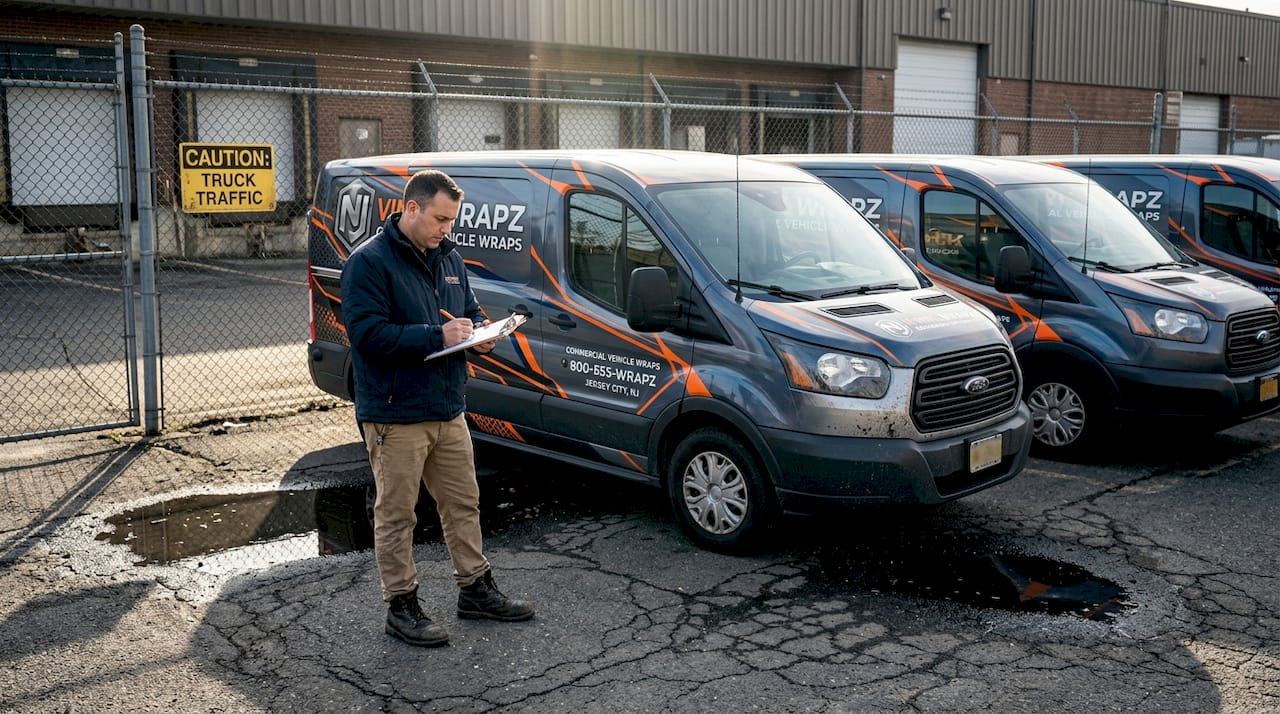
Fleet vehicles in New Jersey take a beating that vehicles in most other states simply don’t. Between winter road salt, aggressive UV exposure in summer, and the constant stop-and-go of commercial routes through dense urban corridors, unprotected paint doesn’t stand a chance. For fleet managers and business owners, this isn’t just a cosmetic problem. Faded, chipped, or corroded vehicles undermine brand credibility and drive up lifecycle replacement costs. The good news: the right combination of paint protection and branding solutions can keep your vehicles looking sharp, your brand looking professional, and your operating costs under control.
Table of Contents
- How to evaluate paint protection options for New Jersey fleets
- Paint protection film: The fleet-friendly first defense
- Ceramic coatings: Gloss, resilience, and easy maintenance
- Vinyl wraps and vehicle lettering: Dual protection and marketing
- Comparing paint protection strategies: What works best for your NJ fleet?
- Fleet paint protection: What NJ managers often overlook
- Protect your fleet paint and boost brand impact with NJ Vinyl Wrapz
- Frequently asked questions
Key Takeaways
| Point | Details |
|---|---|
| Road salt is a threat | NJ’s road salt rapidly corrodes vehicle paint unless properly shielded. |
| PPF gives baseline protection | Paint protection film is an essential first layer against physical and chemical damage. |
| Ceramic coatings add shine | Ceramic coatings resist environmental etching and create a deep gloss finish. |
| Vinyl wraps protect and promote | Fleet wraps defend paint and maximize brand visibility simultaneously. |
| Layering options yields best results | Combining multiple protection strategies maximizes durability and branding impact for NJ fleets. |
How to evaluate paint protection options for New Jersey fleets
Before you invest in any single solution, you need a clear framework for decision-making. Not every protection method fits every fleet, and what works for a five-vehicle landscaping company may not work for a 40-truck delivery operation.
Here are the core criteria every NJ fleet manager should evaluate:
- Durability against local conditions. NJ winters are hard. Road salt accelerates corrosion on unprotected paint and metal, especially in wheel wells, door edges, and lower body panels. Any protection solution worth considering must hold up against repeated salt exposure.
- Impact on brand visibility. Transparent options like paint protection film (PPF) and ceramic coatings preserve factory paint but add nothing to branding. Vinyl wraps and lettering actively turn vehicles into moving advertisements.
- Maintenance requirements. Some solutions require professional reapplication every year or two. Others, like full wraps, can last five to seven years with basic care.
- Cost at fleet scale. A single ceramic coating on one vehicle might cost $500 to $1,500. Multiply that across 20 vehicles and budget planning becomes critical.
- Compatibility with existing branding. If your fleet already carries graphics, certain protective coatings can interfere with adhesion or appearance.
To prevent auto rust effectively, protection needs to start from day one, not after visible damage appears. The earlier you apply a quality solution, the less you’ll spend on repairs later.
Pro Tip: Regular washing is the baseline for every protection method. No coating, film, or wrap performs at its best if salt and grime are allowed to accumulate beneath it. Establish a weekly wash schedule during winter months as a non-negotiable fleet standard.
With evaluation criteria established, let’s dive into the most effective options available for car paint protection in the NJ market.
Paint protection film: The fleet-friendly first defense
Paint protection film, commonly called PPF, is a clear thermoplastic urethane film applied directly to the vehicle’s exterior. It absorbs impacts, resists abrasion, and creates a barrier between the paint and the environment.
For NJ fleets, PPF is particularly valuable because it blocks direct contact with salt and road debris during winter. Think of it as a sacrificial layer: chips, scratches, and salt exposure attack the film rather than the paint underneath. Many high-quality PPF products also feature self-healing properties, where minor surface scratches disappear with heat exposure.
Key benefits of PPF for commercial fleets:
- Impact resistance. PPF absorbs stone chips and minor collisions that would otherwise leave permanent marks.
- Salt and chemical barrier. The film prevents corrosive road chemicals from reaching the paint surface directly.
- Compatibility with vinyl graphics. When properly applied, PPF can sit beneath or alongside vinyl lettering and graphics without compromising either.
- Long service life. Quality PPF installations, like those available through PPF installation in NJ, typically last seven to ten years under normal commercial use.
- Preserves resale value. Vehicles with intact paint protected by PPF command higher resale prices at end of fleet life.
“For vehicles operating in high-salt environments, PPF is one of the most practical investments fleet managers can make. The cost of application is significantly lower than the cost of repainting or replacing body panels corroded by road chemicals.” — AAA automotive expert, via App.com
Professional application matters more than most people realize. Poorly installed PPF peels at edges, traps moisture, and can actually accelerate damage. Always use a certified installer. For businesses managing multiple vehicles, working with a shop that specializes in fleet wraps for branding alongside PPF ensures your protection and graphics are coordinated from the start.
Pro Tip: When budgeting PPF for a fleet, prioritize high-impact zones first: hoods, front bumpers, side mirrors, and door edges. These areas take the most damage and deliver the best return on protection investment.
While PPF provides robust baseline protection, ceramic coatings bring another layer with unique strengths.
Ceramic coatings: Gloss, resilience, and easy maintenance
Ceramic coatings are liquid polymer solutions that bond chemically to a vehicle’s paint surface, creating a hard, hydrophobic layer. Unlike wax, which sits on top of paint and wears off quickly, ceramic coatings become part of the surface and can last two to five years with proper maintenance.
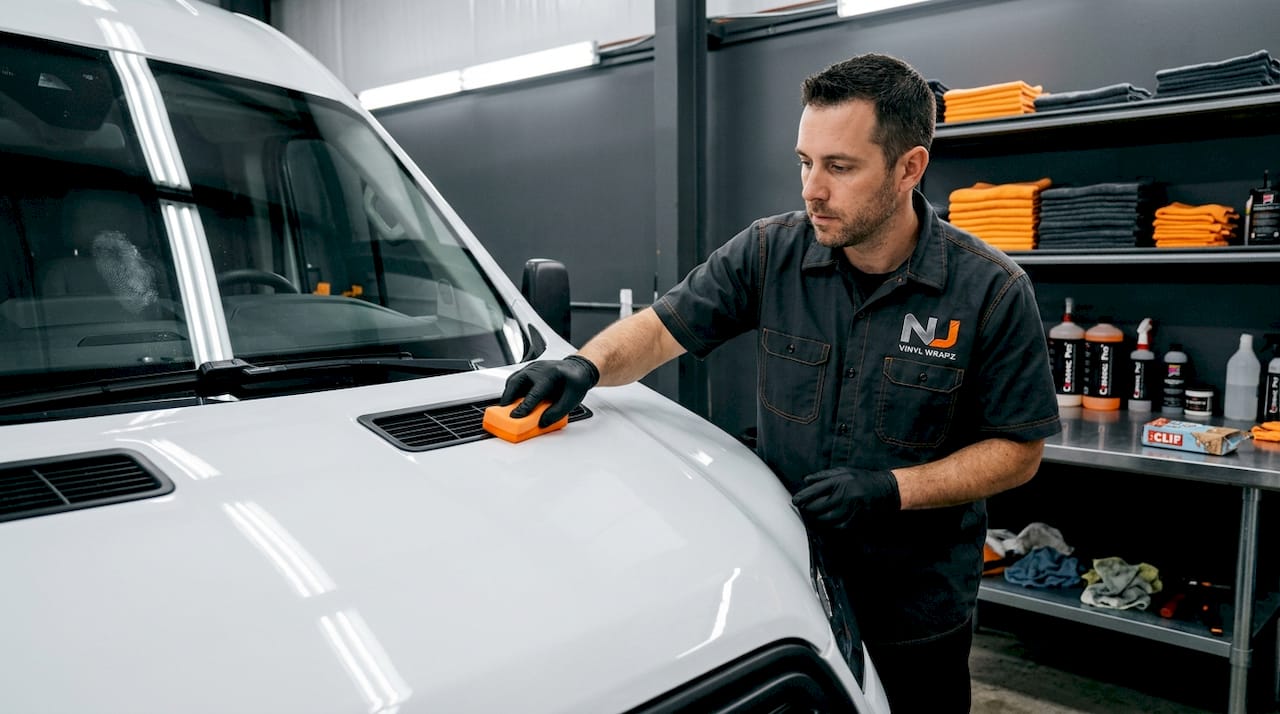
For commercial fleets, the biggest practical advantage is simplified cleaning. Ceramic-coated vehicles repel water, mud, and most contaminants. Dirt slides off rather than bonding to the paint, which means quicker wash times and less labor per vehicle. On a fleet of 15 vehicles, that efficiency adds up fast.
Benefits of ceramic coating for durability in a fleet context:
- Superior gloss finish. Coated vehicles have a consistent, deep shine that makes branded graphics pop and reinforces a professional image.
- Contaminant repellency. Road grime, bird droppings, tree sap, and industrial fallout are much less likely to bond to a coated surface.
- UV protection. Ceramic coatings reduce paint oxidation from sun exposure, which is especially relevant for vehicles parked outdoors year-round in NJ summers.
- Reduced cleaning frequency. Monthly professional washes may replace the weekly scrubbing required for uncoated vehicles.
The important limitation to understand: ceramics resist etching but not impacts. A ceramic coating will not stop a stone chip. It will not absorb a door ding. For that level of physical protection, you need PPF. This is why most experienced fleet operators combine both: PPF for fleet vehicles as the physical barrier, with ceramic coating applied on top for easy maintenance and a polished appearance.
The maintenance protocol for ceramic-coated fleet vehicles is straightforward: avoid harsh detergents that break down the coating, use pH-neutral soaps, and schedule an annual inspection to assess coating integrity. A coating that’s thinning out can be topped off before it fails entirely, extending the protection window without a full reapplication.
Beyond transparent coatings, vinyl wraps offer both protection and branding flexibility for commercial fleets.
Vinyl wraps and vehicle lettering: Dual protection and marketing
Vinyl wraps are the only paint protection solution that also actively builds your brand. A full wrap covers the entire vehicle in printed or colored vinyl film, effectively replacing the vehicle’s visible exterior while protecting the factory paint underneath. Partial wraps and lettering offer more targeted coverage at lower cost.
For NJ fleet operators, the dual function is the real selling point. Vinyl wraps shield paint from abrasion, UV degradation, and minor environmental exposure, while simultaneously turning every company vehicle into a rolling billboard. Industry research shows a single wrapped vehicle generates between 30,000 and 70,000 daily visual impressions depending on the market.
- Fleet wraps protection covers the entire exterior, offering the broadest physical coverage and the highest branding impact.
- Vehicle lettering for fleets provides removable, reconfigurable branding, ideal for businesses that update their look frequently or lease vehicles.
- Full vehicle wraps allow for complex, custom designs that paint simply cannot replicate at reasonable cost.
Here’s how vinyl wraps compare to transparent protection options:
| Feature | Vinyl wraps | PPF | Ceramic coating |
|---|---|---|---|
| Paint protection | Moderate (abrasion, UV) | High (impacts, salt, abrasion) | Moderate (chemical, UV) |
| Impact resistance | Low to moderate | High | Low |
| Branding capability | High (fully customizable) | None | None |
| Durability | 5 to 7 years | 7 to 10 years | 2 to 5 years |
| Maintenance effort | Low to moderate | Low | Very low |
| Cost at fleet scale | Moderate to high | High | Moderate |
| Reversibility | Fully removable | Fully removable | Not removable |
For most NJ commercial fleets, vinyl wraps are the clear choice when branding is a priority. They’re removable without damaging factory paint, meaning you can re-brand vehicles when your marketing evolves without purchasing new paint jobs.
Now that all top contenders are covered, let’s compare these solutions head-to-head for NJ fleet scenarios.
Comparing paint protection strategies: What works best for your NJ fleet?
Every fleet has a different set of priorities. A utility company cares about durability and corrosion prevention. A luxury service company cares about appearance. A startup wants maximum brand exposure on a tight budget. Here’s a direct comparison:
| Strategy | Durability | Brand visibility | Maintenance | Best for |
|---|---|---|---|---|
| PPF only | Very high | None | Low | High-impact routes, premium paint preservation |
| Ceramic coating only | Moderate | None | Very low | Clean appearance, easy upkeep |
| Vinyl wrap only | Moderate | Very high | Low | Branding-focused fleets |
| PPF + ceramic | Excellent | None | Very low | Maximum paint longevity |
| Wrap + PPF | High | Very high | Low | Best overall balance |
| All three combined | Best possible | Very high | Low | Premium fleet programs |
Regular washing is a baseline for all protection strategies. No combination of products replaces basic maintenance habits.
Step-by-step decision workflow for fleet managers choosing a protection strategy:
- Assess your routes and exposure. Vehicles running highway routes in NJ winters need more physical impact protection than urban delivery vehicles.
- Define your branding goals. Do you need consistent fleet branding, or are vehicles primarily utility-focused?
- Set your budget per vehicle and for the full fleet. Compare five-year cost of ownership across options, not just upfront price.
- Review your wrap options for fleets and determine if partial or full coverage fits your vehicles and routes better.
- Consult with a specialist. An experienced provider offering automotive services in NJ can assess your specific vehicles and recommend the right layered solution.
- Schedule installation strategically. Wrap and PPF installations are best done in climate-controlled facilities. Spring and fall are ideal seasons for fleet-scale projects.
After understanding what sets each option apart, here’s our expert take on paint protection for NJ commercial fleets.
Fleet paint protection: What NJ managers often overlook
After working with fleet operators across New Jersey for over a decade, we’ve noticed a consistent pattern: most managers focus intensely on which product to apply and almost completely ignore what happens after installation. That’s where the real cost leaks occur.
The biggest mistake we see is treating paint protection as a one-time purchase. A ceramic coating applied in year one provides different protection in year three if it hasn’t been maintained. PPF that hasn’t been inspected after a harsh winter may have lifting edges that trap salt moisture against the very paint it’s supposed to protect. Partial wraps for added coverage are a practical way to extend protection to high-risk zones without committing to a full wrap budget, but they still need periodic inspection.
The second overlooked issue is washing frequency. Regular maintenance is key regardless of which protection layer you’ve installed. Businesses that skip winter washing because vehicles “look fine” are allowing salt to work on seams, edges, and any micro-breach in their protection layer. The damage is invisible until it isn’t.
“There is no paint protection product that eliminates the need for routine care. Think of coatings and films as multipliers, not replacements, for good maintenance habits.”
Our honest recommendation: stop looking for a single solution and start building a protection stack. PPF on high-impact zones, ceramic coating across the full vehicle, and vinyl wraps or lettering for branding creates a system where each layer reinforces the others. It’s not the cheapest upfront option. But the five-year total cost, including avoided repaints, corrosion repairs, and brand refreshes, typically makes it the most economical choice for serious fleet operators.
Pro Tip: Start with quarterly paint inspections for your fleet. Walk the vehicles and check for lifting film edges, fading wrap sections, or signs of salt damage around wheel wells and door seams. Catching problems early costs a fraction of what deferred maintenance will.
Protect your fleet paint and boost brand impact with NJ Vinyl Wrapz
At NJ Vinyl Wrapz, we’ve spent over 10 years helping New Jersey businesses build fleets that protect their investment and represent their brand with confidence. Every vehicle we work on goes through a professional assessment so the solution fits your specific routes, vehicles, and goals.
Whether you need full fleet wraps services that turn your vehicles into mobile advertising, PPF in New Jersey to guard against NJ’s punishing winters, or ceramic coating experts to keep your fleet looking polished year-round, we have the materials, the team, and the climate-controlled facility to do it right. We use 3M and Avery materials exclusively for fleet work, and every installation is backed by our licensed and insured guarantee. Reach out today for a fleet consultation and quote tailored to your business.
Frequently asked questions
How does New Jersey road salt affect car paint?
NJ road salt accelerates corrosion on unprotected paint and metal surfaces, making regular cleaning and a quality protective layer essential for any commercial vehicle operating in the state.
Can vinyl wraps actually protect vehicle paint?
Yes, vinyl wraps shield paint from everyday abrasion, UV exposure, and environmental contaminants while preserving the factory finish underneath for the life of the wrap.
What is the difference between PPF and ceramic coatings?
PPF blocks impacts and salt through physical barrier protection, while ceramic coatings chemically bond to paint for enhanced gloss and contaminant repellency but offer minimal defense against chips or physical impacts.
How often should fleet vehicles be washed in NJ?
Fleet vehicles should be washed weekly during winter months and at least biweekly the rest of the year, since regular washing is the foundation of any effective paint protection strategy.
Do wraps or coatings affect branding visibility?
Wraps dramatically enhance branding visibility through custom colors, logos, and graphics, while ceramic coatings preserve the deep shine of factory or wrapped paint without adding any visual branding elements.
Recommended
- Fleet Wraps NJ | Commercial Vehicle Advertising | NJ Vinyl Wrapz | NJ Vinyl Wrapz
- Automotive Services NJ | Window Tint, PPF, Ceramic Coating | NJ Vinyl Wrapz | NJ Vinyl Wrapz
- NJ Vinyl Wrapz | Commercial & Fleet Vehicle Wraps in New Jersey
- Ultimate Guide to Vehicle Paint Protection in Miami: Keep Your Car Looking New