
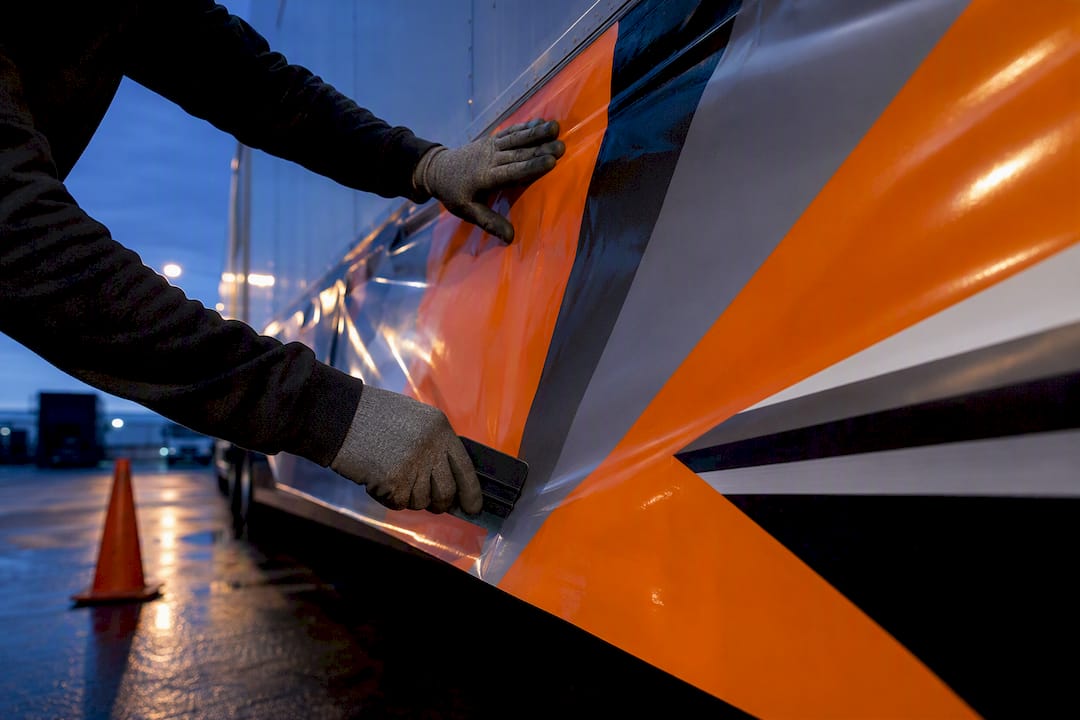
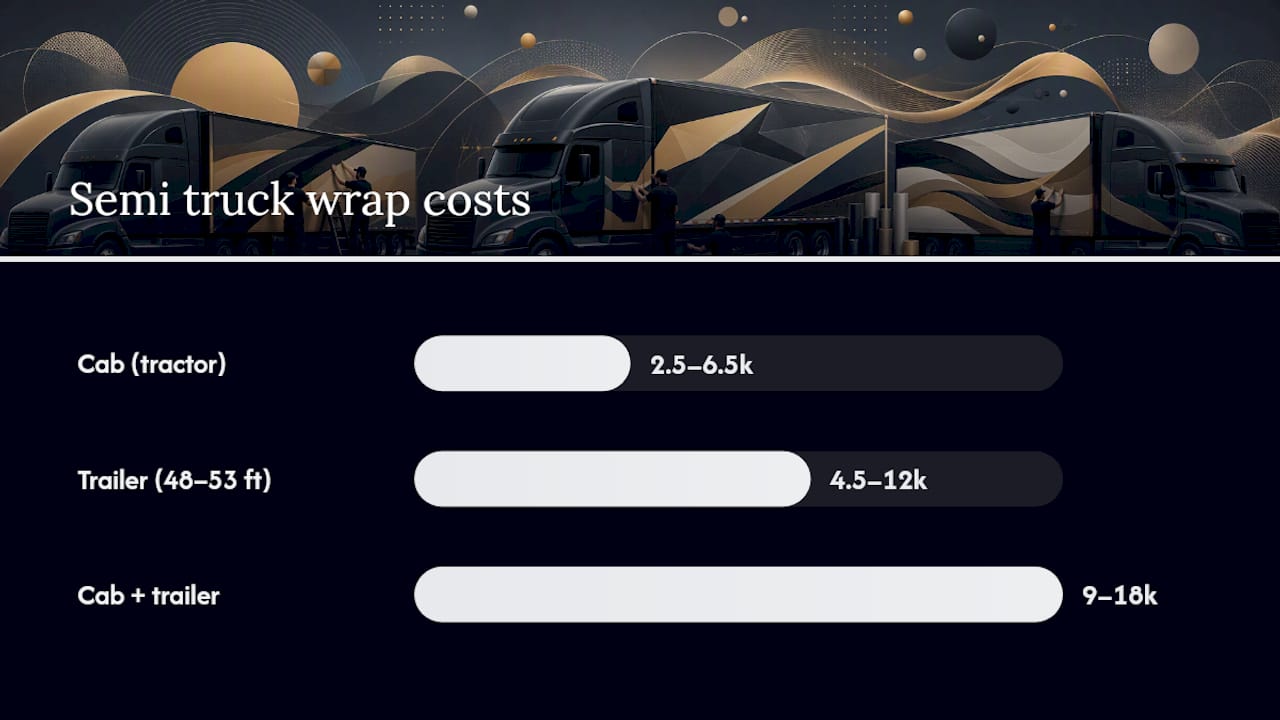
Budget $2,500 to $6,500 for a cab-only wrap, $4,500 to $12,000 for a full 53-foot trailer, and $9,000 to $18,000 for a combined cab and trailer job. Size, material grade, and design complexity drive most of that spread. Exact numbers require an installer to see photos, dimensions, and your artwork first, so treat these ranges as a planning tool, not a quote.
TL;DR:
- The cost of a semi truck wrap varies significantly with surface area, design complexity, and material choice, typically ranging from $2,500 to over $18,000 for full coverage.
- Material quality and surface condition have the greatest impact on final pricing, with premium films adding 20% to 40% to costs and clean surfaces reducing preparation expenses.
- Fleet discounts become substantial when wrapping multiple units, with large contracts exceeding $150,000, but per-unit costs decrease with volume.
- Installation time usually spans 1 to 6 days depending on coverage, season, and complexity, with delays mainly caused by surface preparation.
- Wraps last 3 to 7 years, require gentle maintenance, and offer flexible options for partial coverage and phased rollout to optimize costs and branding.
Table of Contents
- How Much Does a Semi Truck Wrap Cost by Vehicle Section?
- What Drives the Price of a Semi Truck Wrap Up or Down?
- How Should Fleets Budget for Wrap Costs and ROI?
- What Does the Installation Timeline Look Like?
- How Long Does a Wrap Last and What Does Upkeep Cost?
- What Should You Send an Installer for an Accurate Quote?
- What Does an Experienced Installer Recommend for Fleet Wraps?
- Why Most Cost Guides Undersell the Procurement Side
- Ready to Get a Fleet Wrap Quote?
- Sources
- FAQ
How Much Does a Semi Truck Wrap Cost by Vehicle Section?
Pricing scales with surface area, but not in a straight line. A tractor cab has curves, seams, and mirrors that eat installation hours a flat trailer panel never will, so cab work often costs more per square foot even though the trailer carries more total vinyl.
Here’s roughly how the numbers break down across common configurations:
- Cab only (tractor): $2,500 to $6,500, depending on cab size, sleeper configuration, and how much of the surface gets covered.
- Full trailer (48 to 53 ft dry van): Typical jobs land between $4,500 and $12,000, with most standard projects settling around $6,500 to $8,000.
- Cab plus trailer combined: $9,000 to $18,000 for a matched, full-coverage branding package across both units.
Per-square-foot math helps sanity-check any quote you receive. Some pricing guides use a lower band of $2.50 to $6.50 per square foot, but most shops working on trailers quote closer to $6 to $15 per square foot once you factor in premium print material and lamination. A standard 53-foot trailer has roughly 750 to 800 square feet of wrappable surface, which is why the per-job totals climb quickly even at moderate per-foot rates.
Not every project needs full coverage. Partial wraps and spot graphics offer lower-cost branding options suitable for fleets needing specific legal markings and logos, with costs varying by coverage area and design complexity.
If your budget doesn’t stretch to full coverage this year, a partial wrap still puts your brand on the road and leaves room to expand coverage later.
What Drives the Price of a Semi Truck Wrap Up or Down?
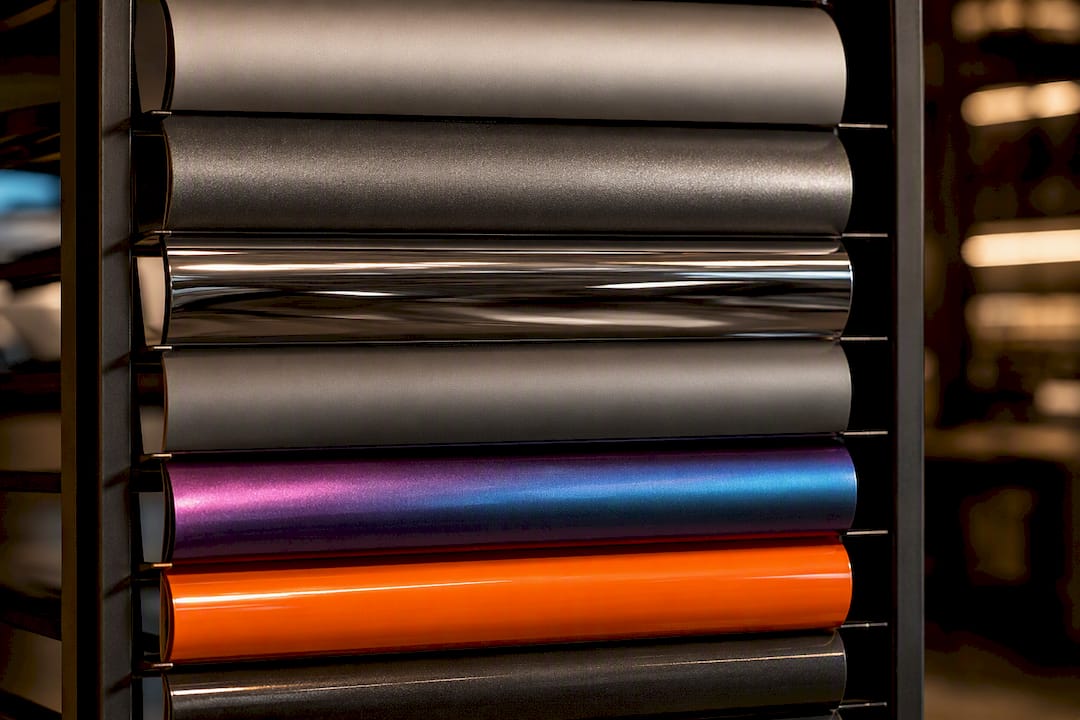
Material choice moves the needle more than almost anything else. Standard cast vinyl from brands like 3M or Avery Dennison covers the baseline pricing above, but specialty finishes such as color-shift, matte, or chrome-look laminate typically add 20% to 40% on top of a standard quote.
Surface condition matters just as much. A clean trailer with no old graphics keeps costs at baseline. Surface preparation such as wrap removal or dent repair can add moderate additional costs depending on the extent of work required.
A few other factors that shift the final number:
- Design complexity: intricate gradients, photo-realism, or heavy die-cutting around rivets and vents adds print and install time.
- Print materials for a single trailer job commonly run $2,500 to $5,000 on their own, before labor.
- Region and season: Northeast and West Coast markets often run 5% to 15% higher than lower-cost regions, and peak spring/summer scheduling can push lead times out.
Pro Tip: Ask your installer for the material spec sheet, not just a brand name. “3M vinyl” can mean a dozen different film grades, and the grade determines both your upfront cost and how many years the wrap actually holds up on the road.
How Should Fleets Budget for Wrap Costs and ROI?
Fleet volume changes the math fast; understanding car rental software cost can also help when planning budgets and pricing strategies for your fleet. A single cab-plus-trailer job might run $9,000 to $18,000, but contracts covering ten or more units create real negotiating leverage, since shops can batch material orders and schedule crews more efficiently. Large annual fleet contracts can exceed $150,000, but the per-unit rate on those deals is almost always lower than a one-off job.
Compare that against paint. A quality commercial paint job on a trailer often costs as much or more than a full wrap upfront, lasts longer before fading, but offers zero advertising value and no easy way to update branding, a logo change, or a rebrand without repainting entirely. Wraps also protect the underlying paint or gel coat, which can help resale value when a trailer eventually leaves the fleet.
Two practical staging moves:
- Wrap one pilot vehicle first, live with it for a few weeks, then roll out the design across the fleet once you’ve confirmed visibility and durability.
- Ask about financing or phased billing if you’re wrapping more than five units at once. Many shops break large fleet jobs into installments tied to production milestones.
What Does the Installation Timeline Look Like?
Most delays come from prep, not the actual wrap application. Here’s a realistic schedule:
- Surface prep (half day to 2 days): washing, decontaminating, and removing old graphics or decals if present.
- Cab-only install: 1 to 2 days with a two-person crew.
- Full trailer install: 2 to 5 days, depending on design complexity and whether the crew is wrapping one trailer or several in sequence.
- Combined cab and trailer job: 3 to 6 days total when both units are done together.
Booking during off-peak months (typically late fall through winter in most regions) can shave both cost and wait time. Bundling your wrap with scheduled maintenance also cuts total downtime, since the truck is already off the road.
How Long Does a Wrap Last and What Does Upkeep Cost?
Expect a working lifespan of 3 to 7 years, with the top end reserved for premium films paired with consistent care. Manufacturer guidance on quality vinyl points to roughly 5 to 7 years when a fleet follows basic maintenance and avoids high-pressure washing directly on seams and edges.
By the numbers: Minor wrap repairs (a torn corner, a scuff from a loading dock) typically run $50 to $150. A full re-wrap, once the film has aged out, resets you back to the original pricing bands for that vehicle section.
Gentle cleaning practices such as hand washing with mild soap help prolong wrap life. Care should be taken if using pressure washers to avoid damage to edges or seams.
What Should You Send an Installer for an Accurate Quote?
Every serious shop needs the same basic information before they can give you a firm number instead of a guess. Send this over before you call:
- VIN or exact make/model/year, plus trailer dimensions if it’s a non-standard length.
- Clear photos from all four sides, plus close-ups of any dents, rust spots, or old graphics.
- Your artwork files (or a description if design is needed), including any Pantone color matches your brand requires.
- Fleet size and timeline, especially if you need multiple units done in sequence.
Once you have quotes in hand, insist on line-item pricing: materials, labor hours, design fees, old-wrap removal, and warranty terms should all appear separately, not bundled into one number.
Pro Tip: Get quotes from at least three installers and compare the line items side by side, not just the bottom line. A shop that itemizes removal and prep separately is usually more transparent than one that folds everything into a single flat number.
What Does an Experienced Installer Recommend for Fleet Wraps?
After more than 10 years wrapping commercial vehicles, NJ Vinyl Wrapz has seen what separates a wrap that lasts from one that fails early: material grade and installation environment. Licensed, insured, and working exclusively with 3M and Avery Dennison films in a climate-controlled facility, the difference shows up two years later when a wrap installed in a cold, dusty bay starts lifting at the seams while a properly installed one doesn’t.
For fleets specifically, certified films with documented warranties aren’t optional. Block-scheduling multiple units together, ideally during a maintenance window the trucks are already off the road for, cuts downtime and often qualifies for volume pricing.
Why Most Cost Guides Undersell the Procurement Side
Most articles on this topic hand you a price range and call it done. The bigger gap for fleet buyers isn’t knowing the numbers. It’s not knowing what to ask for once a quote lands on your desk.
The conventional advice treats a wrap quote like a commodity purchase, compare three prices, pick the cheapest. That’s backwards for a fleet asset that’s supposed to be your rolling billboard for five to seven years. A $2,000 discount on a trailer wrap means nothing if the shop used a cheaper film that starts peeling at 18 months, and you’re back to paying for a re-wrap ahead of schedule.
What actually matters, based on how these projects play out, is sequencing your priorities correctly. Lock down material grade and warranty terms first. Negotiate volume pricing second, since that’s where the real fleet savings live, not in haggling down a single unit’s price. Treat the installer’s facility and process (climate control, crew size, prep standards) as a line item worth asking about, because it directly determines whether you’re back in the shop paying for repairs in year two instead of year five.
— NJ Vinyl Wrapz
Ready to Get a Fleet Wrap Quote?
Fleet owners benefit from professional commercial installation experience, a climate-controlled facility, and partnerships with leading film manufacturers, ensuring the film grade quoted matches the installed product.
Whether you need a single cab-only wrap or a coordinated rollout across a dozen trailers, the team handles full wraps, partial wraps, and vehicle lettering with in-house design and warranty-backed installation. Fleet managers looking to lock in volume pricing across multiple units should start with the fleet wraps page and request a quote based on your actual fleet size, vehicle specs, and timeline. Send over your VIN details and photos, and you’ll get a line-item estimate back, not a ballpark guess.
Sources
- How Much Does a Semi Truck Wrap Cost in 2026? | Wraptor Blog
- Semi Trailer Wrap Cost Guide 2026 – Cost Insider
- Semi Truck Wrap Cost Guide – Current Cost
FAQ
Is It Cheaper to Wrap a Truck or Paint It?
Wrapping is usually comparable to or cheaper than a quality commercial paint job upfront, and it adds advertising value paint can’t match, though paint can outlast a wrap by several years if branding changes aren’t a priority.
How Long Does a Full Truck Wrap Last?
Most full truck wraps last 3 to 7 years, with premium films from brands like 3M or Avery Dennison reaching the 5 to 7 year range when maintained properly.
Which Is Better, PPF or a Wrap?
Paint protection film is built for clear, invisible protection against rock chips and road debris, while a vinyl wrap is built for branding and color change; fleets focused on advertising want a wrap, while owners protecting a finish or color underneath often choose PPF.
How Much to Wrap a 20-Foot Trailer?
A 20-foot trailer costs less than the 48 to 53-foot ranges cited throughout this guide since it has roughly a third of the surface area, so expect pricing closer to the lower end of the partial and full trailer bands, typically in the $2,500 to $5,000 range depending on coverage and material.