
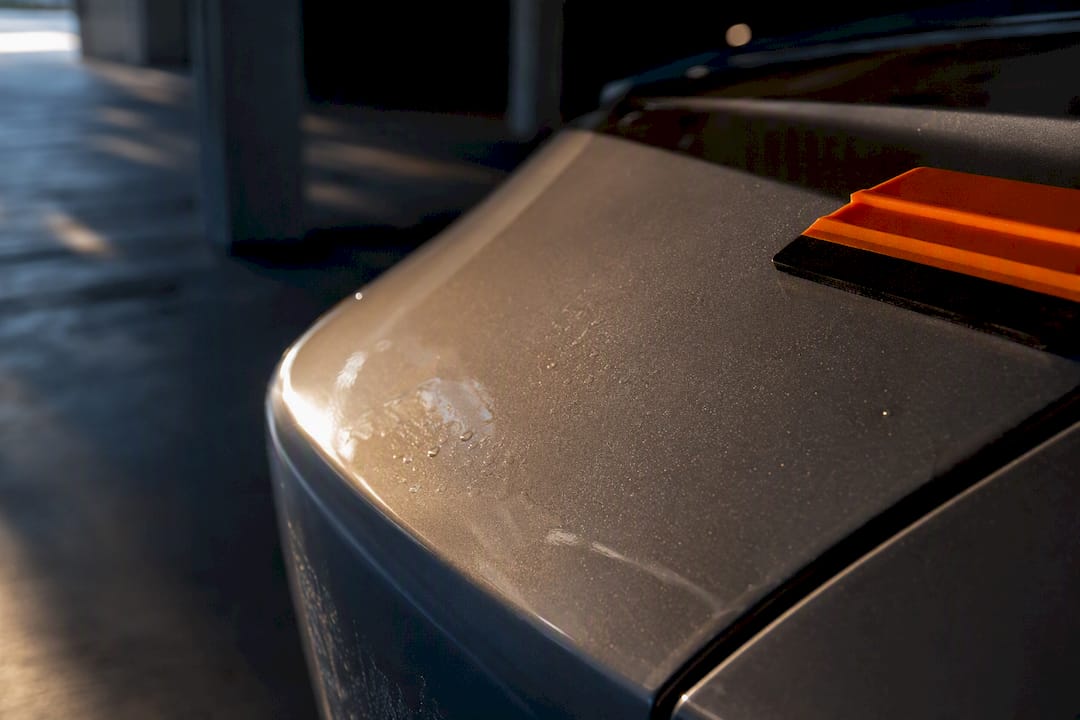
Most premium paint protection film holds up for 7 to 10 years, with the broader range across all film tiers running 5 to 10 years. The number that actually applies to your car depends on film quality, who installed it, your climate, and how you maintain it. Skip any of those and even a top-tier film can look tired in half that time. Get them right, and you’re looking at the long end of that window, sometimes beyond it.
TL;DR:
- High-quality, professionally installed PPF in favorable climates can last up to 10 to 12 years, but neglecting maintenance or harsh environments shorten lifespan significantly.
- Budget films typically need replacing after 2 to 5 years due to yellowing and cracking, while mid-range films often last several years but are more susceptible to environmental damage.
- Proper care involves gentle, pH-neutral washing, prompt removal of contaminants, and inspecting edges and high-impact areas every few months to prevent early failure.
- Warranties rarely cover damage caused by improper cleaning, installation errors, or environmental stress, making regular inspections vital for determining the right time to replace.
- Optimal film longevity depends on quality, installation, and consistent maintenance, with a lifetime extension possible through ceramic coatings and climate-controlled installs.
Table of Contents
- Ppf Lifespan by Film Tier: Budget, Mid-Range, and Premium
- What Actually Shortens or Extends Your Film’s Life
- How to Tell When Your PPF Needs Replacing
- How to Maximize PPF Lifespan With the Right Maintenance Routine
- What PPF Warranties Actually Cover (and What They Don’t)
- Planning and Budgeting for PPF Replacement
- What We Check on Every PPF Install and Why It Matters
- PPF Is Maintenance, Not a One-Time Fix
- Get Your Paint Protection Film Inspected or Quoted
- Sources
- FAQ
Ppf Lifespan by Film Tier: Budget, Mid-Range, and Premium
Not all PPF ages the same way, and the price you pay usually tracks the years you get. Three rough bands cover most of what’s on the market:
- Budget PVC or entry-level films: usually a few years before yellowing, cracking, or edge lift becomes noticeable, according to KSB Window Film’s breakdown of material differences.
- Mid-range TPU films: generally several years, with decent self-healing but less UV resistance than the top tier.
- Premium TPU films with advanced top coats: often a longer lifespan in favorable climates when installation and care line up.
Manufacturer warranties tend to mirror these bands, reflecting expected durability that varies with climate zones rather than applying one flat number for all buyers, as noted in Avery Dennison’s performance guarantee documentation. A film warrantied for 10 years in a mild coastal region might carry a shorter effective life in a desert with year-round UV exposure. Read the fine print before assuming your warranty period equals your real-world lifespan.
The upper end of any band, the 10 to 12 year outcomes, only shows up when three things happen together: quality film, a clean professional install, and a car that isn’t living outside in harsh sun or road salt every day. Miss one of those and you’re pulled toward the lower end of your tier, warranty or not.
What Actually Shortens or Extends Your Film’s Life
Five variables decide whether your PPF ages gracefully or fails early, and they don’t carry equal weight.
Material and top coat chemistry matters most. Films with UV stabilizers and self-healing top coats resist yellowing and hold their gloss far longer than basic PVC. Installer skill and shop conditions come next. A climate-controlled installation with proper edge finishing prevents the dust contamination and adhesive stress that cause early lifting. Rushed installs in a garage bay with no temperature control are where a lot of premature failures start.
Environmental exposure does slow, steady damage: UV load, heat cycling, road salt in winter states, and airborne pollutants all degrade the top coat over time. Driving patterns compound this. A car that’s garaged and driven mostly on clean highways ages differently than a vehicle that sits outside and gets driven daily through gravel lots or salted roads. One detail owners often miss: a front bumper or hood takes far more rock chips and bug strikes than a rear quarter panel, so high-strike panels typically need attention or replacement sooner than the rest of the film, even when everything else about the install was identical.
Maintenance habits round out the list, and they cut both ways:
- Hand washing with pH-neutral, ceramic-safe shampoo extends film life; harsh degreasers and dish soap can strip the top coat faster than sun exposure alone, as explained in this source.
- Prompt removal of bird droppings, bug splatter, and tar prevents chemical etching into the film.
- Automatic brush washes are one of the fastest ways to introduce micro-scratches and edge lift.
Pro Tip: If you’re not sure whether a wash product is film-safe, check the label for “ceramic coating safe” or “clear bra safe.” If it doesn’t say either, don’t use it on PPF.
How to Tell When Your PPF Needs Replacing
Run through this checklist during your regular wash routine or a seasonal inspection:
- Check for yellowing or discoloration, especially on horizontal surfaces like the hood that catch the most UV.
- Look for cracking or crazing, a network of fine surface lines that means the top coat has become brittle.
- Inspect edges and seams for lifting, particularly around the bumper, mirrors, and door handles where stress concentrates.
- Watch for blisters or bubbles that persist or grow, rather than small install-related pockets that clear within days.
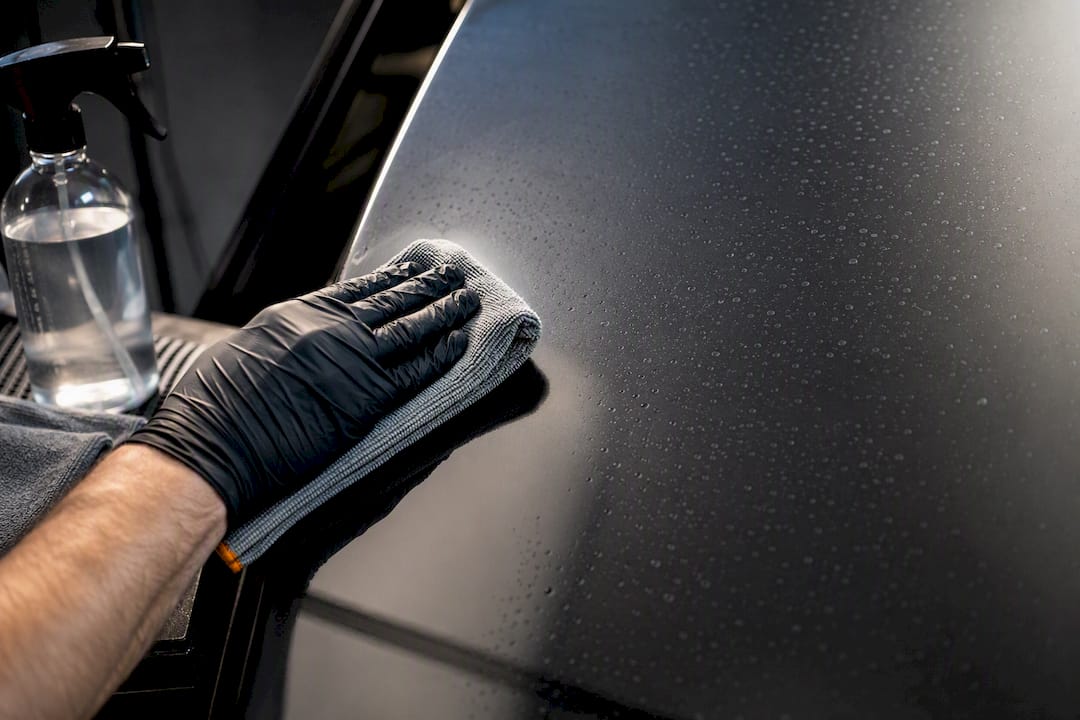
- Test the hydrophobic surface, water should bead and roll off; if it sheets flat, the top coat is worn.
- Confirm self-healing still works by checking whether light swirl marks disappear after a warm wash.
If two or more of these show up together, or if the film has stopped protecting the paint underneath, it’s time to plan a replacement rather than patch around the problem.
How to Maximize PPF Lifespan With the Right Maintenance Routine
The first 48 to 72 hours after installation set the tone for everything that follows. Avoid washing the car, don’t apply pressure to the edges, and skip parking under trees or near active construction while the adhesive fully cures.
Once you’re past the curing window, a simple routine keeps the film performing near the top of its range:
- Hand wash every one to two weeks with a pH-neutral, ceramic-safe shampoo and a soft microfiber mitt.
- Skip automatic brush washes entirely; touchless washes are a safer fallback when you can’t hand wash.
- Remove bird droppings, tree sap, and bug residue as soon as you notice them, not at the next scheduled wash.
- Inspect edges and high-impact panels every few months for early lifting or chipping.
- Avoid strong solvents, clay bars, and abrasive polishes directly on the film.
Layering a ceramic coating over PPF is worth considering if you want to stretch the film’s service life further. According to NJ Vinyl Wrapz’s guide to paint protection film, the coating sits on top of the film and shields the top coat from chemical attack while preserving the hydrophobic beading that makes washing easier. The sequence matters: film goes on first, coating goes on after, never the other way around.
Pro Tip: Mark your calendar for a 90-day post-install check. Small issues caught early, like a lifting edge or a stubborn water spot, are far cheaper to fix than damage that’s had months to spread.
What PPF Warranties Actually Cover (and What They Don’t)
Warranty length usually scales with film tier: budget films often carry 1 to 3 year coverage, mid-range films 5 years, and premium films up to 10 years, sometimes longer depending on climate zone under Avery Dennison’s guarantee terms.
Most warranties cover:
- Yellowing or discoloration under normal conditions
- Delamination (the film separating from the paint)
- Bubbling that isn’t tied to installation
They typically exclude installation errors, damage from improper cleaning products, and any modification made after the fact. Coverage is often non-transferable if you sell the car. Keep your installer’s paperwork and any maintenance receipts; a claim without documentation is a much harder conversation.
Planning and Budgeting for PPF Replacement
Think of PPF as a maintenance cycle, not a one-time purchase. Front-end coverage (hood, bumper, mirrors) is the most common starting point, partial coverage adds fenders and rocker panels, and full-body coverage wraps the entire painted surface.
- Front-end packages cost less and protect the highest-impact zones first.
- Full-body coverage costs more upfront but avoids gaps where stone chips can still reach bare paint.
- Compare replacement cost against a future repaint. A single panel respray after chip damage often costs more than reapplying film to that section.
- Vehicles with documented PPF history, especially fleet vehicles or cars kept long-term, tend to hold paint condition and resale value better than unprotected ones.
What We Check on Every PPF Install and Why It Matters
Climate-controlled installation isn’t a marketing line, it’s the difference between film that lasts and film that lifts within a year. Dust, humidity, and temperature swings during application all interfere with adhesive bonding, and edge finishing is where sloppy work shows up first.
On every install, we check adhesive tack while the film is still workable, confirm edge tuck is fully seated with no trapped air, and do a full visual pass before the car leaves the shop. We also recommend a 24 to 72 hour verification check to catch early lift or trapped contamination before it sets.
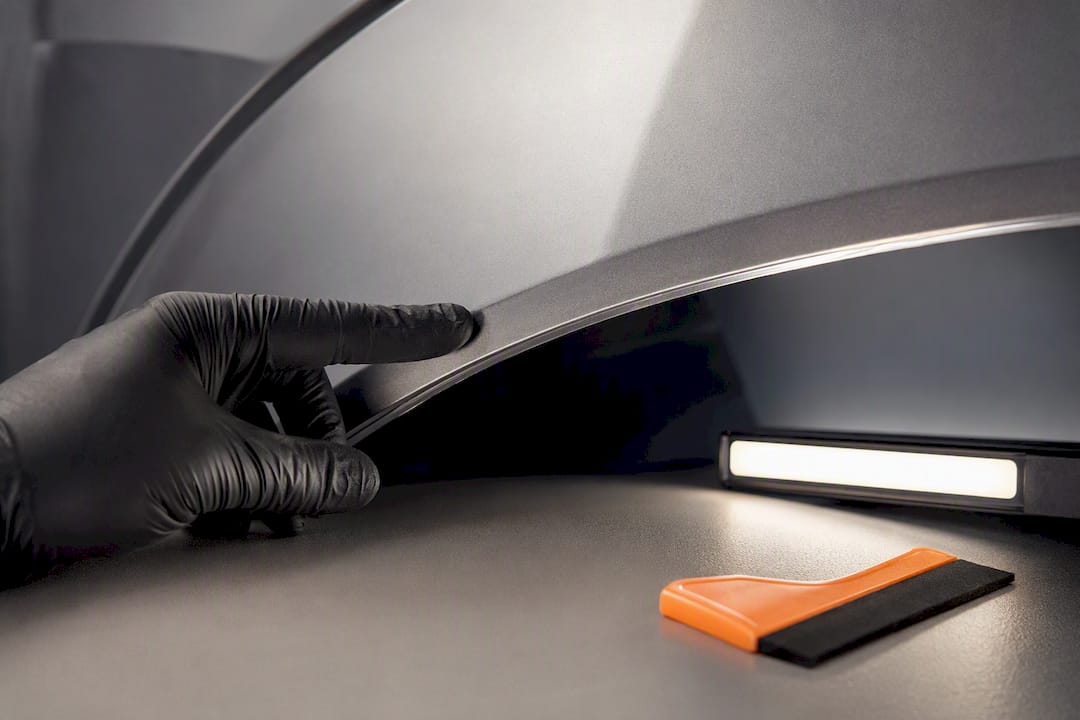
For owners, the handoff is simple: respect the curing window, inspect edges and high-strike panels every few months, and call your installer at the first sign of lifting rather than waiting for it to spread. Small windows for small fixes save you from big ones later.
PPF Is Maintenance, Not a One-Time Fix
Owners who get the most value out of paint protection film stop thinking of it as a purchase and start thinking of it as a maintenance line item, the same way they’d think about tires or brake pads. The single decision that moves the needle most isn’t a maintenance trick. It’s choosing quality film and a certified installer up front, because no amount of careful washing rescues a bad application.
Build in routine inspections, and plan your next install before the current one starts failing visibly. Vehicles held long-term benefit the most from staying ahead of that curve instead of reacting to it.
— NJ Vinyl Wrapz
Get Your Paint Protection Film Inspected or Quoted
PPF is installed in climate-controlled shops, which helps keep adhesive bonding clean and edge work tight, supporting use for both fleet vehicles and personal cars. If you’re weighing front-end coverage against full-body protection, or you’re not sure whether your current film is past its useful life, an inspection gives you a straight answer instead of a guess.

We’ll walk your vehicle, point out any early warning signs like edge lift or fading, and lay out coverage options that match how you actually drive and park. Explore our paint protection film services to see what’s included, or if you’re weighing a full color change alongside protection, check our full vehicle wrap options. Reach out to schedule an inspection or request a quote, and get a clear timeline for your car instead of a vague warranty number.
Sources
The manufacturer performance guarantee from Avery Dennison backs the warranty and climate-zone claims in this article. For material comparisons, see KSB Window Film’s lifespan guide and The Detailing Gang’s breakdown of installation factors. Readers wanting more background can check NJ Vinyl Wrapz’s PPF guide or explore types of PPF solutions.
- Avery Dennison ICS Performance Guarantee — paint protection films (PDF)
- How Long Does Paint Protection Film Last? Real PPF Lifespan Explained — KSB Window Film
- How Long Does Paint Protection Film (PPF) Last? Lifespan, Factors — The Detailing Gang
FAQ
How Often Do You Need to Replace PPF?
Most owners replace PPF every 5 to 10 years, though premium film in a favorable climate with good maintenance can push past that range while budget film may need replacement in 2 to 5 years.
What Are the Negatives of PPF?
PPF requires a curing period before washing, needs gentler cleaning products than bare paint, and can show visible edges or yellowing over time if the installation or film quality is poor.
What Happens to PPF After 10 Years?
Film at or past the 10 year mark commonly shows yellowing, edge lifting, reduced self-healing, and a loss of hydrophobic beading, all signs that it has stopped protecting the paint effectively and should be replaced.
Can PPF Last 20 Years?
Premium film generally tops out around 10 years even under ideal conditions, so a lifespan twice that length isn’t realistic for any current film tier on the market.