
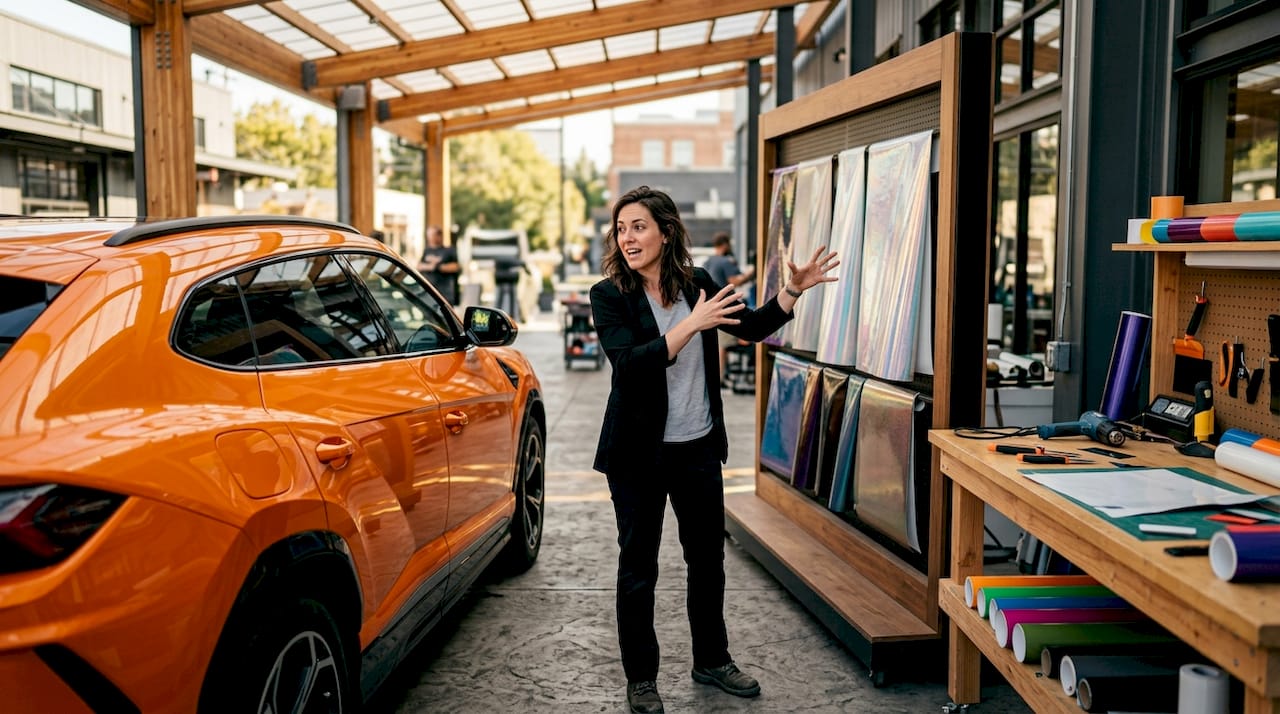
The standout car wrap color options for 2026 are Nardo Gray, Satin Black, Color-shift Purple Blue, Army Green, Desert Tan, Pearl White, and Liquid Silver. Finishes range from satin and matte to metallic, gloss, color-shift, and chrome. Color-shifting wraps are the fastest-growing trend this year, while military-inspired earth tones have crossed from trucks into sedans and sports coupes. Premium vinyl from 3M and Avery Dennison sets the quality benchmark. Professional installation on cast vinyl from 3M or Avery Dennison typically delivers a 5–7 year lifespan. Budget-grade film or poor installation drops that to 2–4 years.
2026’s top colors at a glance:
- Nardo Gray (satin or matte)
- Satin Black and Piano Black Vinyl
- Color-shift Purple Blue and chameleon iridescents
- Army Green and Desert Tan (military earth tones)
- Metallic Agate Green
- Pearl White and Liquid Silver
- Vantablack Satin Chrome
- Color-Shift Pearl Racing Tiffany
Car wrap color options 2026: the most popular shades explained
The colors dominating 2026 aren’t random. Each one reflects a specific aesthetic movement, and knowing what drives each shade helps you pick one you won’t regret in two years.
Nardo Gray remains the most requested neutral in the wrap world. Originally made famous by Audi’s factory matte gray on performance models, it reads raw and industrial without being aggressive. It works on sedans, SUVs, and pickups equally well, which explains its staying power.
Satin Black is the refined alternative to flat matte black. It carries a controlled sheen that reads expensive on luxury vehicles where full matte feels too aggressive. BMW and Porsche wrap buyers gravitate toward it consistently. Piano Black Vinyl takes that idea further, delivering a deep lacquer-style gloss that suits clean, modern body lines.
- Color-shift Purple Blue produces a hue that moves between violet and electric teal depending on viewing angle and lighting. No factory paint replicates this effect at any price.
- Army Green and Desert Tan tap into the military aesthetic that has trended for three consecutive years, now appearing on sports coupes and sedans, not just trucks.
- Metallic Agate Green sits in the jewel-tone metallic category, a rich, saturated green with dimensional depth that shifts subtly under different light.
- Pearl White has overtaken standard gloss white as the premium light-color choice, catching hints of pink, blue, and gold depending on the angle.
- Liquid Silver delivers a wet-mercury fluidity that photographs well in any lighting condition. It leads the luxury and show-car metallic category.
- Vantablack Satin Chrome and Color-Shift Pearl Racing Tiffany represent the specialty end: one absorbs light for an almost surreal depth, the other transitions through pearl tones with a racing-inspired edge.
What finish type actually means for your vehicle’s look
Satin has gained popularity as a preferred finish in 2026, overtaking matte as the go-to for drivers who want sophistication without the high-maintenance demands of flat film. It sits between gloss and matte on the reflectivity scale, resisting fingerprints better than matte while avoiding the visual loudness of full gloss.
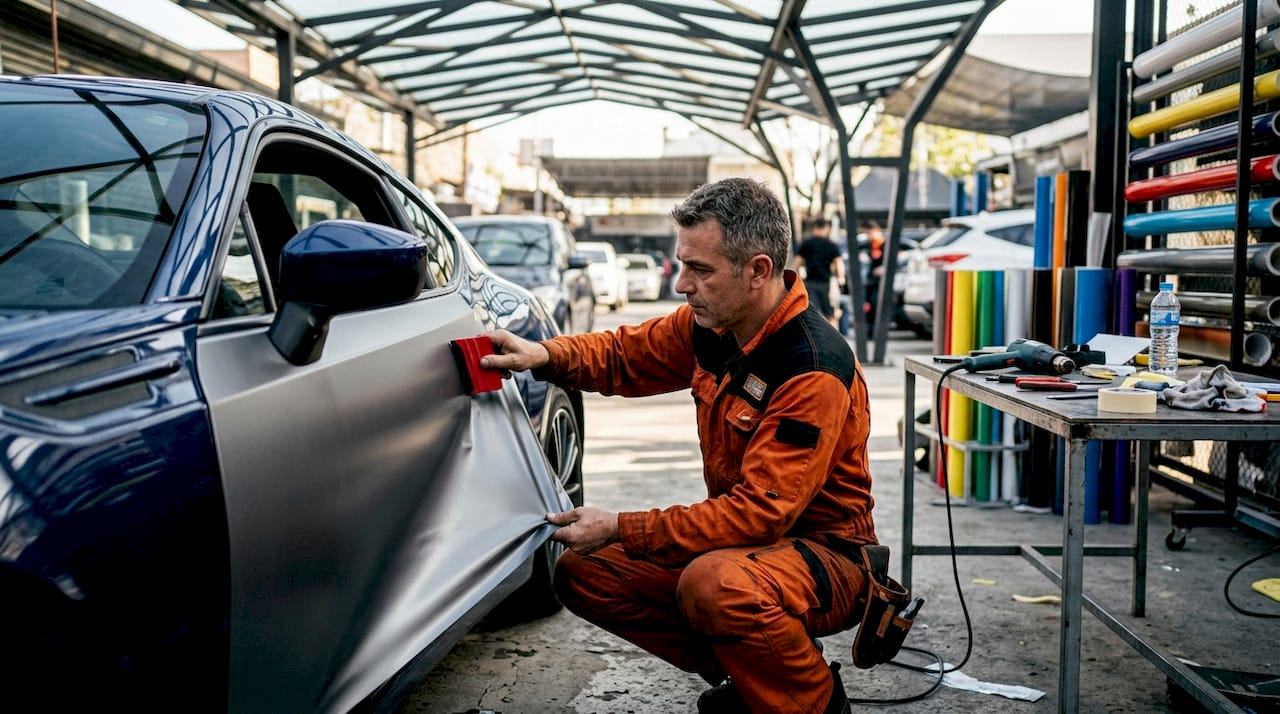
Matte remains a strong choice for aggressive body styles. Its flat, zero-shine surface hides minor imperfections and amplifies body lines on cars like muscle cars and performance SUVs. The trade-off is maintenance: matte requires pH-neutral, wax-free products and shows fingerprints readily.
Gloss mimics premium factory paint and stays the commercial standard. It’s the most forgiving finish to install and the easiest to maintain with standard car care products. For fleet vehicles and daily drivers that go through automatic washes, gloss holds up better over time.
- Metallic: Adds dimensional depth that paint can’t match. Gold, bronze, copper, and silver metallics catch light beautifully and suit luxury builds.
- Chrome/mirror: The most extreme option. Mirror-finish chrome is sensitive to microscopic installation errors, prone to scratching, and recommended only for show vehicles.
- Carbon fiber: Forged carbon has overtaken traditional woven weave patterns as the premium textured choice, mimicking the chopped-fiber look found on high-end supercars.
- Colored paint protection film (PPF): The biggest practical trend of 2026. Colored PPF delivers wrap aesthetics with self-healing TPU underneath, absorbing minor scratches that would damage standard vinyl.
- Glitter/sparkle: Embedded metallic flake particles produce multidirectional shimmer. Diamond Glitter Black reads solid from a distance and reveals fine sparkle up close.
Emerging colored PPF technology is worth watching. It merges color customization with genuine paint protection in a single film, something standard vinyl can’t offer.
Why earth tones and military-inspired wraps keep growing
Olive drab, army green, desert tan, and sage green have moved well past their niche origins. What started as a truck-and-SUV trend has evolved into a mainstream style across vehicle categories, including sedans and sports coupes. The appeal is a rugged-yet-refined look that feels intentional rather than flashy.
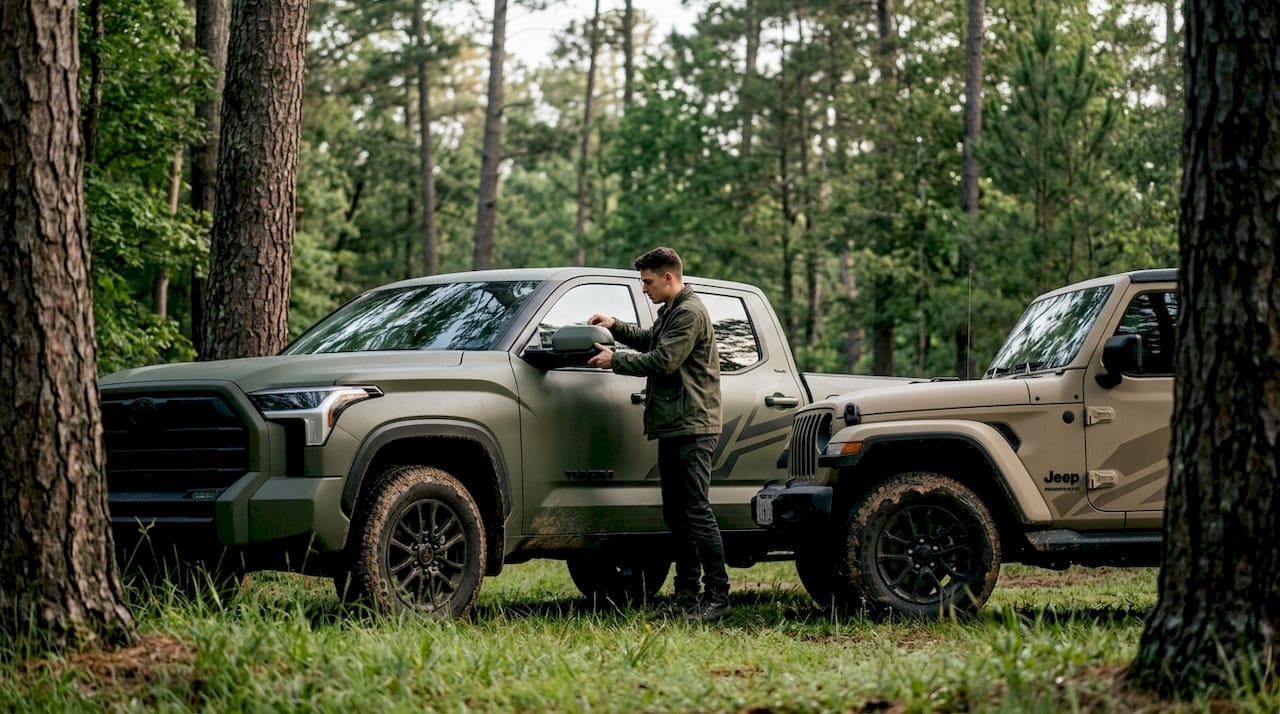
The tactical aesthetic works best when paired with blacked-out wheels, dark window tint, and blacked-out trim accents. That combination gives the vehicle a cohesive, purposeful appearance rather than a patchwork of afterthoughts. Sage green with chrome accents reads expensive and modern; olive drab with bronze trim feels adventurous but still wearable.
The biophilic design movement is part of what’s driving this. Drivers are moving away from attention-grabbing colors toward nature-inspired palettes that feel calm and considered. A matte army green on a sports coupe signals something different from a neon wrap: restraint, confidence, and a specific point of view.
Durability, maintenance, and what material quality actually costs you
Professional installation on cast vinyl from 3M or Avery Dennison typically delivers a 5–7 year lifespan. Budget-grade film or poor installation drops that to 2–4 years. The difference isn’t just longevity. Cheap film fades unevenly, lifts at edges, and can damage paint on removal.
Finish type directly affects how much work you’ll put into keeping the wrap looking right. Gloss is the most forgiving for daily drivers. Matte and satin require dedicated pH-neutral products and can’t go through automatic car washes without risk. Color-shift films need careful washing to preserve the multi-layer optical surface that creates the transition effect.
Color-shift wraps carry a premium over standard wraps due to their complex manufacture and the skilled installation they require. Full color-change wraps start around $2,500 for standard finishes; color-shift films start around $3,000 and up. Chrome mirror wraps are the most expensive and the most fragile, with a shorter practical lifespan than any other finish.
Pro Tip: Always ask your installer which specific film brand and series they’re using. 3M and Avery Dennison vinyl are the industry benchmarks for colorfastness and durability. A shop that can’t name the film is a shop worth walking away from.
For long-term care guidance, vinyl wrap maintenance practices make a real difference in how well any finish holds up over its lifespan.
How to choose the right wrap color for your vehicle and goals
Match the color to your vehicle’s body language first. Aggressive coupes and sports cars amplify chameleon shifts and saturated metallics because each curve catches light at a different angle. SUVs and trucks benefit from earth tones and satin neutrals because flat finishes reduce visual bulk on oversized panels. Color-shift films need flat surfaces or subtle curves to best showcase their transition effects; highly curved panels can mute the dynamic shift.
Climate matters more than most drivers realize. Dark matte shades absorb more solar heat than light or gloss finishes. In hot regions, lighter shades like Pearl White or pastel chameleons age more gracefully and show less UV wear over time.
- Performance and sports cars: Color-shift, saturated metallics, Piano Black Vinyl, Vantablack Satin Chrome
- Luxury sedans and SUVs: Satin Black, Nardo Gray, Pearl White, Metallic Agate Green
- Trucks and off-road builds: Army Green, Desert Tan, matte earth tones with blacked-out trim
- Daily drivers: Gloss or satin neutrals, standard metallics, colored PPF for protection
- Show cars and event vehicles: Color-Shift Pearl Racing Tiffany, Liquid Silver, chrome mirror accents
Always preview the color on your specific vehicle shape before committing. What looks right in a swatch often reads differently on actual body panels, especially on rounder or more complex silhouettes.
What Njvinylwrapz sees from a decade of wrapping vehicles
Njvinylwrapz brings over 10 years of professional wrap experience and installs in climate-controlled facilities, which matters more than most owners realize. Temperature and humidity during application directly affect how well a film adheres and how long it stays looking sharp. Their partnerships with 3M and Avery Dennison mean the film going on your vehicle meets the same standards used by professional installers across the country.
From the shop floor, the clearest trend in 2026 is the shift toward satin finishes across all vehicle categories. Clients who previously defaulted to matte are now requesting satin because it’s easier to maintain and reads as more refined. Color-shift wraps are the second-biggest conversation, particularly Color-shift Purple Blue and Color-Shift Pearl Racing Tiffany, which generate the most questions about pricing and care.
Professional installers consistently emphasize balancing aesthetic impact with practical durability when advising on wrap colors. The most visually striking choice isn’t always the one that serves the driver best over a five-year horizon.
Does your wrap color affect resale value?
Neutral, high-quality finishes retain resale value better than extreme colors or textures. Stealth gray, charcoal black, and deep navy date slowly and appeal to a broad range of buyers. Bold choices like teal-to-purple color-shift or neon wraps make a bigger immediate impression but are more polarizing when it’s time to sell.
The good news is that a wrap protects the factory paint underneath. When removed, it reveals the original finish in the condition it was in at application, which is a genuine selling point. A well-maintained wrap in a neutral finish can actually support resale by preserving paint that would otherwise show years of UV exposure and minor damage.
If resale is a priority, stick to Nardo Gray, Satin Black, Pearl White, or Liquid Silver. These are the finishes that read as intentional and desirable to the widest pool of buyers.
Custom vs. standard wrap colors: what’s the real difference?
Standard wrap colors are pre-manufactured films available in set colorways from brands like 3M and Avery Dennison. They’re consistent, well-tested, and available at predictable price points. For most drivers, a standard color in a premium film is the right call.
Custom wraps open up printed graphics, unique color combinations, and one-off designs that no catalog film can replicate. A custom anime livery, a branded fleet design, or a color that doesn’t exist in any standard catalog all require printed vinyl. The trade-off is cost and lead time. Custom printed wraps run significantly higher than standard color-change wraps and require design work before a single panel gets wrapped.
The middle ground is specialty films. Color-Shift Pearl Racing Tiffany, Metallic Agate Green, and Vantablack Satin Chrome are technically standard products, but they’re rare enough in the field that they read as custom to most observers. For drivers who want to stand out without the full custom route, specialty catalog films are the practical answer. Explore the full range of color change wrap options to see what’s available without going fully bespoke.
Environmental impact and sustainability of wrap materials
Vinyl wrap film is a petroleum-based product, and that’s worth acknowledging honestly. Standard PVC vinyl generates waste at end of life and isn’t widely recyclable through standard municipal programs. However, wraps do offer one genuine environmental argument: they protect factory paint, which reduces the need for repainting and the solvents that process requires.
Some manufacturers are developing more sustainable film formulations, including PVC-free options and films with reduced plasticizer content. Avery Dennison has invested in sustainability programs across its product lines. Choosing a high-quality film that lasts 5–7 years rather than a budget option that fails in 2–4 years also reduces material waste over time.
For drivers who prioritize sustainability, colored PPF is worth considering. Its longer lifespan and paint-protection function mean fewer material cycles over the life of the vehicle.
How lighting conditions change what your wrap color actually looks like
Lighting is the variable most drivers underestimate. A Nardo Gray wrap looks almost blue-gray under overcast skies and shifts toward warm taupe under direct afternoon sun. Satin Black reads as deep charcoal in shade and reveals its sheen only under direct light.
Color-shift wraps are the most lighting-dependent finish of all. A film that transitions from purple to teal performs that shift most dramatically under direct sunlight at a sharp viewing angle. In a parking garage or under flat fluorescent lighting, the same wrap may read as a single flat color. This isn’t a flaw; it’s the nature of the film. But it means the color you fell in love with in a YouTube video may look different parked outside your office every morning.
Pearl White and metallic finishes are the most consistent performers across lighting conditions. They catch available light without depending on a specific angle or intensity to show their character. For drivers who want a wrap that looks great in every environment, high-end finish preservation practices help maintain that consistency over time.
Njvinylwrapz wraps your vision in premium film, installed right
Njvinylwrapz is the direct route from “I know what I want” to a finished vehicle that looks exactly like you pictured it. With over 10 years of experience, climate-controlled installation bays, and material partnerships with 3M and Avery Dennison, the shop handles everything from Nardo Gray color changes to full color-shift builds without cutting corners on prep or application.
Whether you’re after a Satin Black daily driver, a Color-shift Purple Blue show build, or an Army Green tactical look for your truck, Njvinylwrapz has the film and the installation expertise to deliver it cleanly. The team walks every client through how their specific vehicle’s geometry interacts with the chosen finish before any film gets cut. Get a quote on a full vehicle wrap and see what your vehicle looks like in 2026’s best colors.
FAQ
What are the most popular car wrap colors for 2026?
Nardo Gray, Satin Black, and Color-shift Purple Blue lead 2026 demand, alongside Army Green, Desert Tan, Pearl White, and Liquid Silver. Satin finishes have overtaken matte as the most-requested finish category.
How long does a professional car wrap last?
High-quality cast vinyl wraps from brands like 3M and Avery Dennison last 5–7 years with professional installation. Budget-grade film or poor installation reduces that lifespan to 2–4 years.
Are color-shift wraps worth the extra cost?
Color-shift wraps cost 20–40% more than standard wraps and require skilled installation, but they produce a visual effect no factory paint can replicate. They work best on flat or gently curved panels where the angle-dependent shift is most visible.
Which wrap colors hold resale value best?
Neutral finishes like stealth gray, charcoal black, and pearl white retain resale value better than bold or novelty colors. They appeal to a wider buyer pool and date more slowly over a 5–7 year ownership period.
Does Njvinylwrapz install color-shift and specialty wraps?
Yes. Njvinylwrapz installs the full range of finishes including color-shift, satin, matte, metallic, and chrome wraps using 3M and Avery Dennison materials in climate-controlled facilities across New Jersey.
Key Takeaways
The most durable and resale-friendly car wrap color options for 2026 combine premium cast vinyl from 3M or Avery Dennison with neutral or satin finishes installed by experienced professionals.
| Point | Details |
|---|---|
| Top 2026 colors | Nardo Gray, Satin Black, Color-shift Purple Blue, Army Green, Desert Tan, Pearl White, Liquid Silver |
| Satin leads finishes | Satin has overtaken matte as the most-requested finish category in 2026 for its versatility and lower maintenance demands |
| Wrap lifespan by quality | Professional cast vinyl lasts 5–7 years; budget-grade film fails in 2–4 years |
| Color-shift premium | Color-shift wraps cost 20–40% more than standard wraps and require skilled installation on flat or gently curved panels |
| Njvinylwrapz | Installs premium 3M and Avery Dennison wraps in climate-controlled facilities across New Jersey, covering all 2026 trending finishes |